
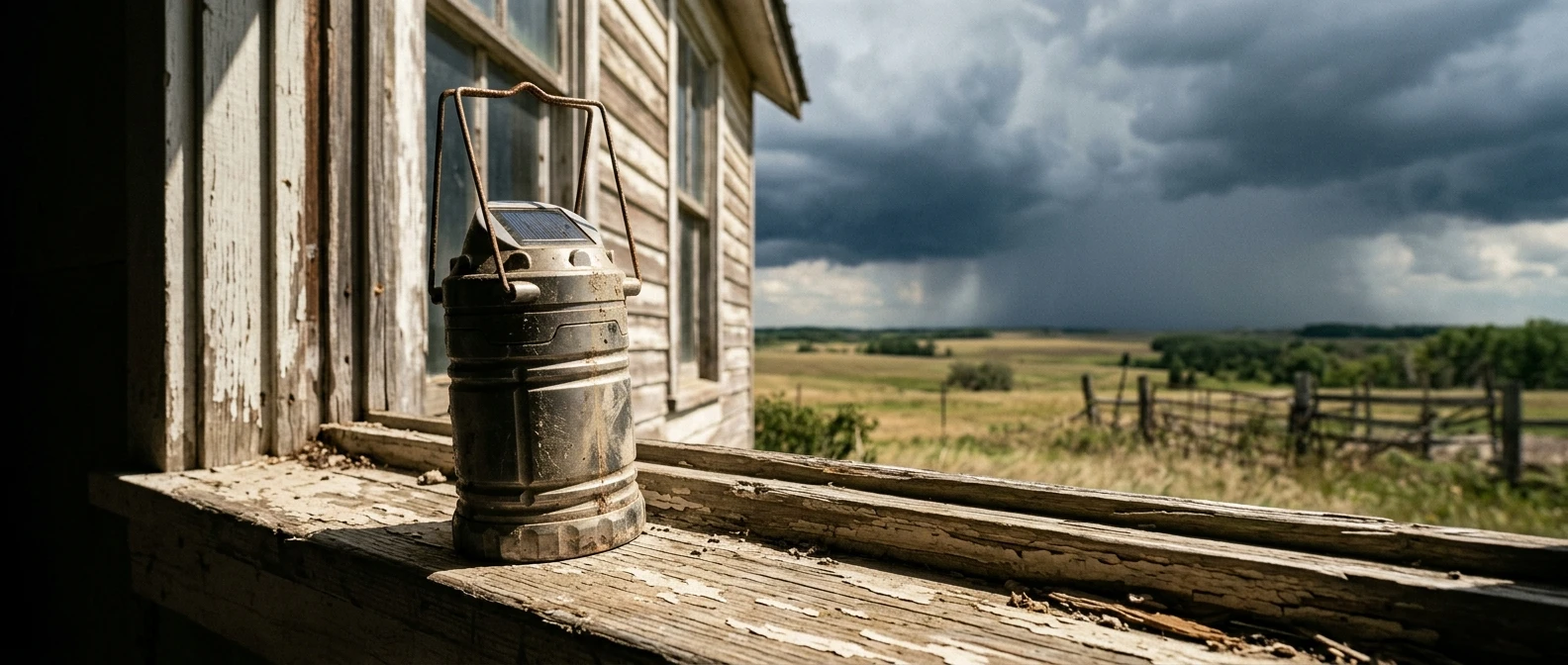
Solar lanterns that work well in a showroom can still fail within a year once it meets real conditions: heat that does not let up, dust that gets into every seam, and rain that arrives sideways during a storm. For a rural household choosing one lantern to run a home every night, the question is not which lantern has the most features. It is which lantern keeps producing usable light after eighteen months of actual weather.
This matters more for an individual household than it does for a bulk buyer. A distribution program can absorb a percentage of units failing early and replace them from stock. A single family buying one lantern for their own home does not have that cushion. If it fails, the house goes dark until a replacement can be found and paid for, which in many rural areas is not a quick errand.
What rural conditions actually do to solar lanterns over time
Heat breaks down battery chemistry faster than almost anything else. A lantern left on a windowsill or roof panel in direct tropical sun all day is being heat-soaked, and that shortens the usable life of the battery inside it, often by a wider margin than the manufacturer’s spec sheet suggests.
Dust works differently. It does not destroy a lantern in one event. It gets into switches, into charging ports, into the seams around the solar panel, and it accumulates. A lantern with no proper seal will have a switch that sticks or a panel that charges more slowly every month, and the owner often does not notice until the drop in performance is severe.
Rain is the most obvious stress and the easiest to test for, but it is worth separating two different failure modes: water getting into the housing where the electronics sit, and water sitting on the solar panel itself, which is usually fine for the panel but matters if the panel’s wiring is exposed at the edges. A lantern that is “water-resistant” in a product description is doing a lot of work with that phrase, and it is worth understanding what the rating actually promises.
Durability: housing materials, water resistance ratings, and drop resistance that matter off-grid
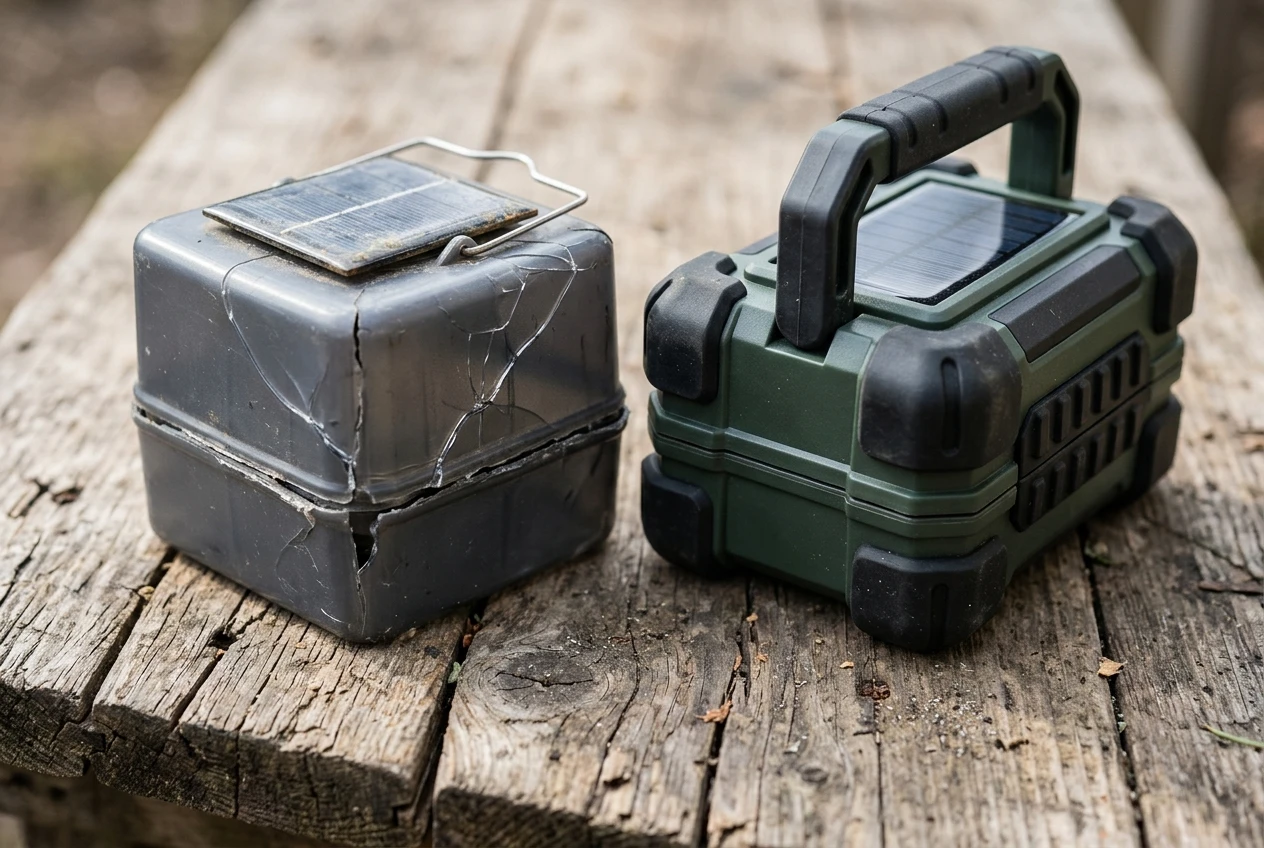
The housing material is the first thing to check, and the honest answer is that most of the cheaper lanterns on the market use a thin injection-molded plastic that is fine in a living room and brittle after a year outdoors. A thicker, slightly flexible plastic housing, or one reinforced at the corners, survives being dropped on a hard floor or knocked off a table far better than a thin shell.
Water resistance ratings are written as IP codes, for example IP65 or IP67. The second digit is the one that matters for rain: a higher number means stronger protection against water jets or submersion. A lantern rated for light splashes is a different product from one rated to survive being left out in a downpour, and the description will usually say which it is, even if it takes some digging to find.
Drop resistance is rarely stated as a number at all. The more useful signal is the design itself: a lantern with a recessed solar panel, rubberized feet or edges, and no thin protruding parts (a handle is fine, a thin plastic lip around the light is not) tends to survive the everyday drops that happen in a household with children, animals, or simply a dark room and an uneven floor.
Battery life: how many hours of usable light you really get per charge, and why that number shifts with age
Manufacturers list battery life on a full charge, and that number is usually accurate for a brand-new unit on its lowest brightness setting. The number that matters more for daily use is how many hours of light you get on the setting you will actually use, which for most households is a mid-brightness setting bright enough to cook or read by, not the dimmest one.
A lantern advertised at twelve hours on its lowest setting might give closer to four or five hours at the brightness a family actually needs in the evening. That gap between advertised and real-world hours is the single most common source of disappointment with a first solar lantern purchase, and it is worth checking reviews or product details for brightness-specific runtime rather than the headline number alone.
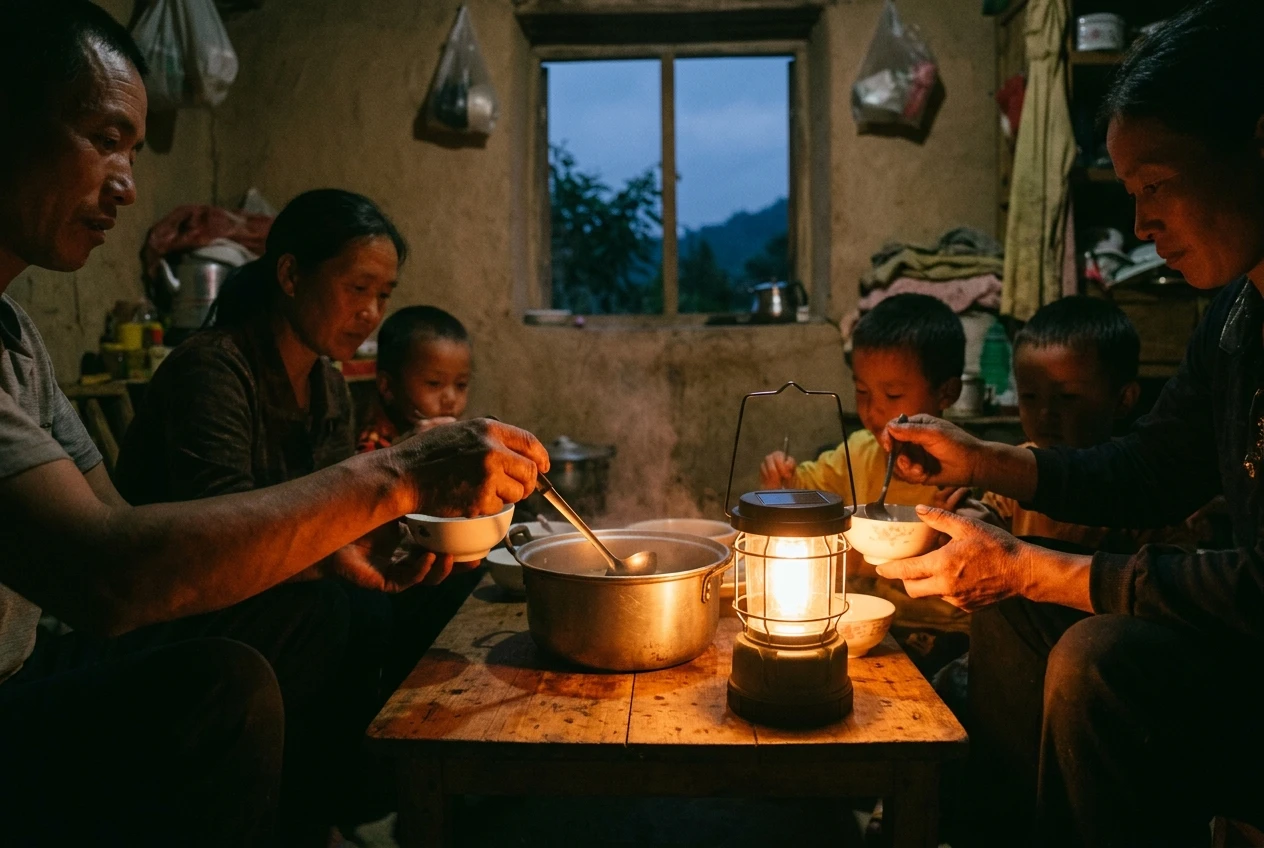
The other shift happens with age. Lithium batteries lose capacity over repeated charge cycles, and a lantern that gave eight hours of usable light in its first few months might give five or six after a year or two of daily charging and discharging. This decline is normal and expected in any rechargeable battery, but it is steeper in lanterns that are regularly heat-soaked, left to fully drain before recharging, or charged inconsistently. A household that wants a lantern to still be useful in year two should look for one with a battery that is rated for a higher number of charge cycles, not just a high initial runtime.
Charging efficiency: why two lanterns with the same solar panel can charge at very different speeds
Two lanterns can list the same wattage panel and still charge at noticeably different speeds, because the panel’s rated wattage is only part of the charging picture. The charge controller inside the lantern, which manages how the panel’s output is converted and stored in the battery, affects how efficiently that power actually reaches the battery, especially under weak or inconsistent sunlight rather than full midday sun.
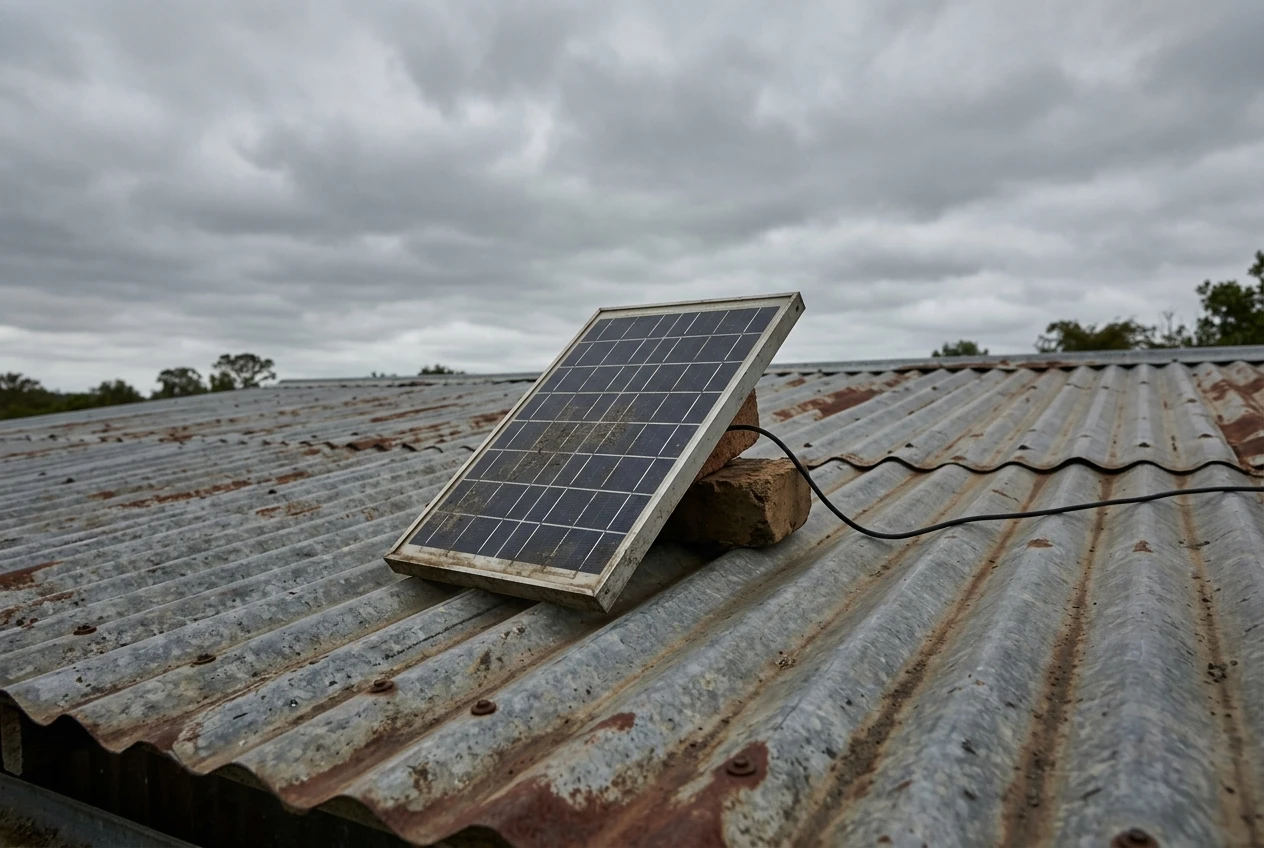
This matters most on cloudy days or during the early morning and late afternoon, when the panel is receiving a fraction of its rated sunlight. A lantern with a well-matched controller will still pull a usable charge during those hours. A lantern with a poorly matched or cheaper controller may barely charge at all until the sun is close to directly overhead, which in practice means fewer usable charging hours per day, particularly during wet or overcast seasons.
Panel angle and surface area also affect real-world charging speed in ways the wattage rating does not capture. A larger panel surface catches more diffuse light on an overcast day than a smaller panel with the same wattage rating achieved through higher efficiency cells. For a household in an area with reliable strong sun, this difference is minor. For a household with frequent cloud cover, it can mean the difference between a lantern that is reliably charged by evening and one that is not.
Matching a lantern to your sun exposure: short cloudy days versus consistent tropical sun
A lantern bought for consistent, strong tropical sun does not need the same charging efficiency as one bought for an area with short days, frequent cloud cover, or a pronounced wet season. Matching the lantern to the actual sun exposure of the home, rather than buying whatever is most popular or most heavily advertised, is one of the more overlooked decisions in this process.
For households with reliable strong sun most of the year, a mid-range lantern with an average charge controller will usually perform well, because there is enough excess sunlight to compensate for some inefficiency. For households with shorter or weaker sun, especially during a wet season, the quality of the charge controller and the size of the panel surface become far more important, because there is less margin for lost charging hours.
It is worth tracking, even informally, how many hours of usable direct sun the lantern’s placement actually gets across a typical week, rather than assuming based on general climate. A spot that seems sunny but is shaded by a roof overhang or nearby trees for part of the day will charge a lantern far more slowly than the same lantern placed in full open exposure.
Price versus lifespan: what a cheaper lantern costs you in replacements over two or three years
The cheapest lantern on the shelf is not necessarily the cheapest lantern over two or three years of ownership. A lantern that fails after eight months and needs replacing twice in two years can end up costing more in total than a single more durable lantern bought once, even before accounting for the inconvenience of being without light while a replacement is sourced.
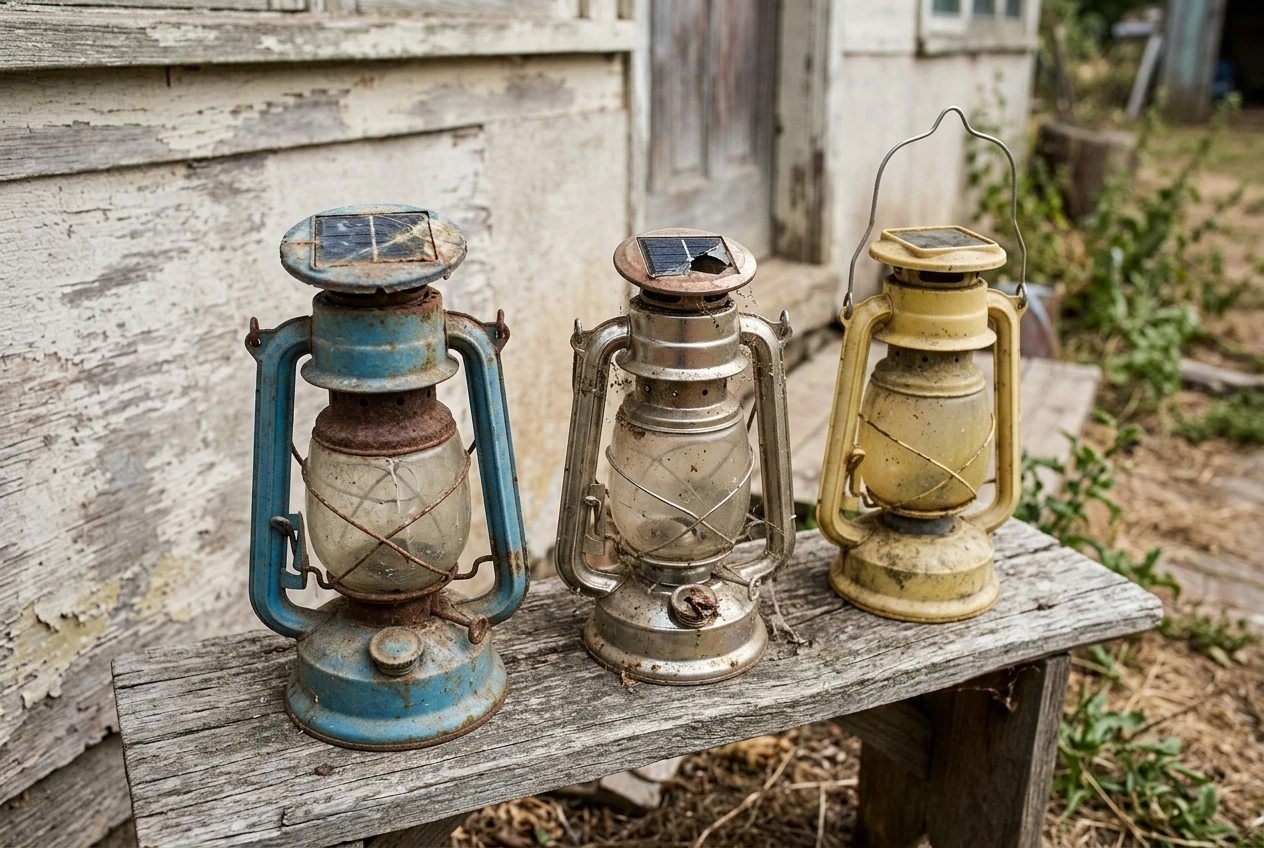
This is a straightforward calculation worth doing before buying: take the lantern’s price, estimate a realistic lifespan based on its housing, water resistance rating, and battery cycle rating, and divide the price by the number of years it is likely to last. A lantern that costs more upfront but lasts three years instead of one is often the better value, particularly for a household where sourcing a replacement is not a quick or guaranteed process.
This does not mean the most expensive lantern is automatically the best choice. Some premium pricing reflects brand marketing rather than genuine durability improvements. The housing material, water resistance rating, and battery cycle rating are the three concrete things worth checking against the price, rather than trusting price as a shortcut for quality on its own.
How this compares to the lanterns used in community distribution programs
Lanterns chosen for community distribution programs are usually selected with these same three stress points in mind, often more conservatively, because a program is responsible for hundreds of households rather than one. The durability, battery life, and charging speed questions a single household should ask when buying a lantern for their own home are the same questions a program organizer has to answer at scale, just multiplied across far more units and far more variable conditions.
If you’re weighing up a solar lantern for your own home and want to see how these same durability and charging questions play out at community scale, visit Get Involve to see how rural households are being supported with reliable lighting.