
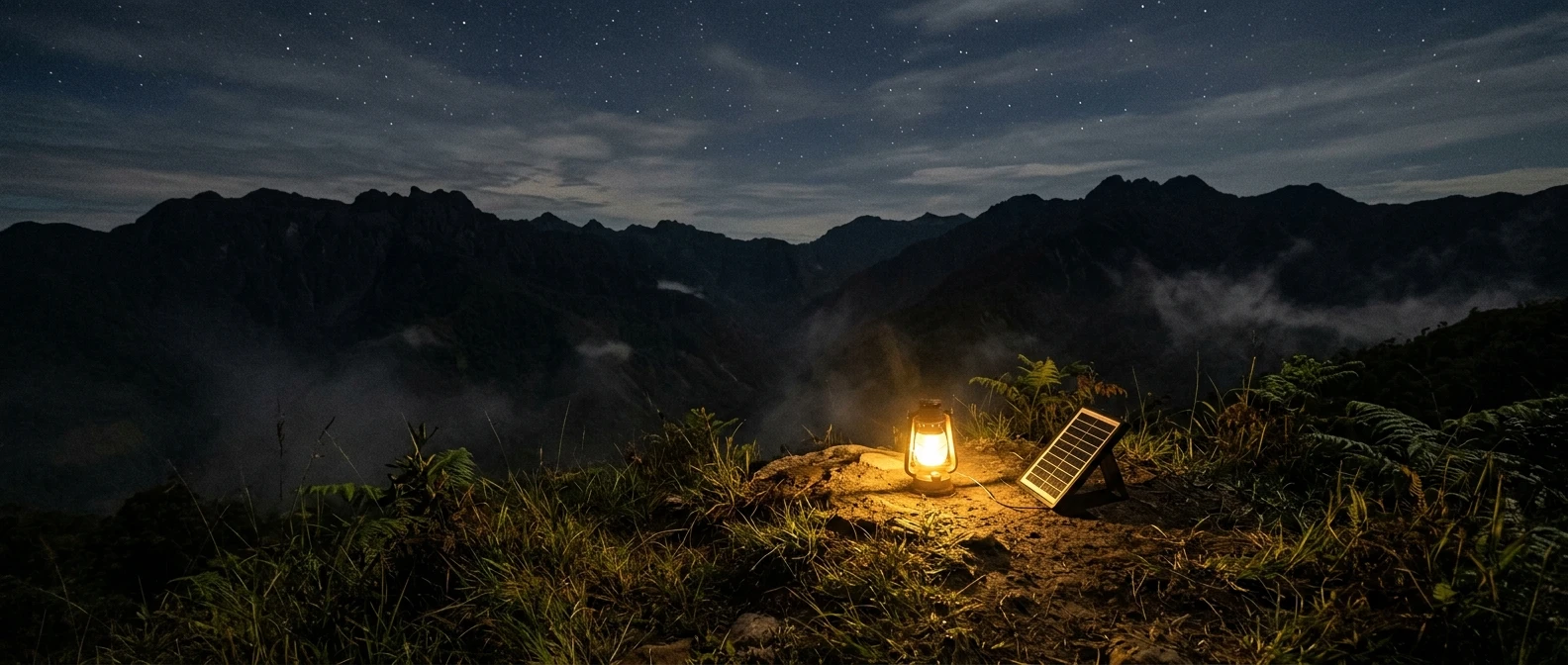
A step-by-step guide to planning a solar lantern program in Papua New Guinea, from community needs assessment and product selection to training, repairs, monitoring, and long-term sustainability.
How to Set Up a Solar Lantern Program in Papua New Guinea
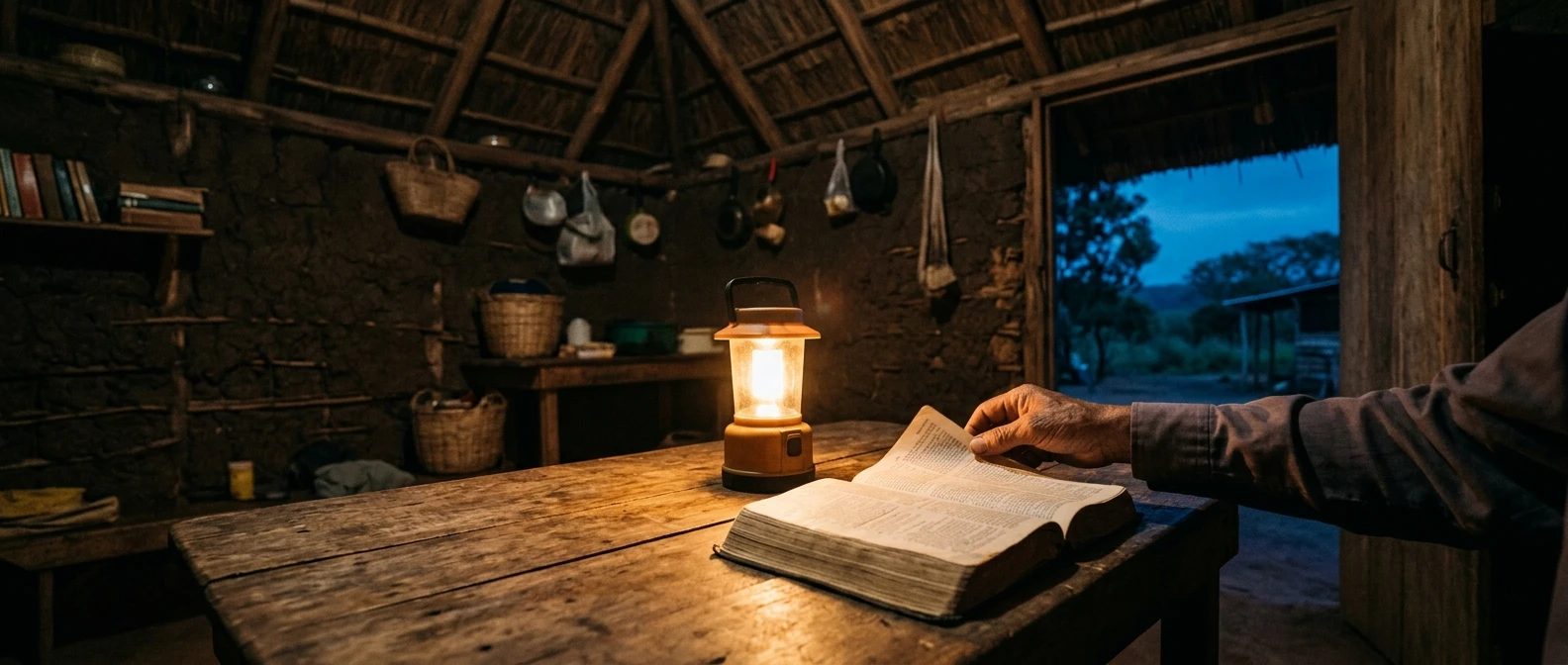
A solar lantern can mean far more than light after sunset. A child can finish homework without sitting beside a smoky kerosene lamp. A mother can cook more safely. A pastor or health worker can travel at night with a dependable light. A market seller can work a little longer, and a family can charge a phone without a long, costly journey.
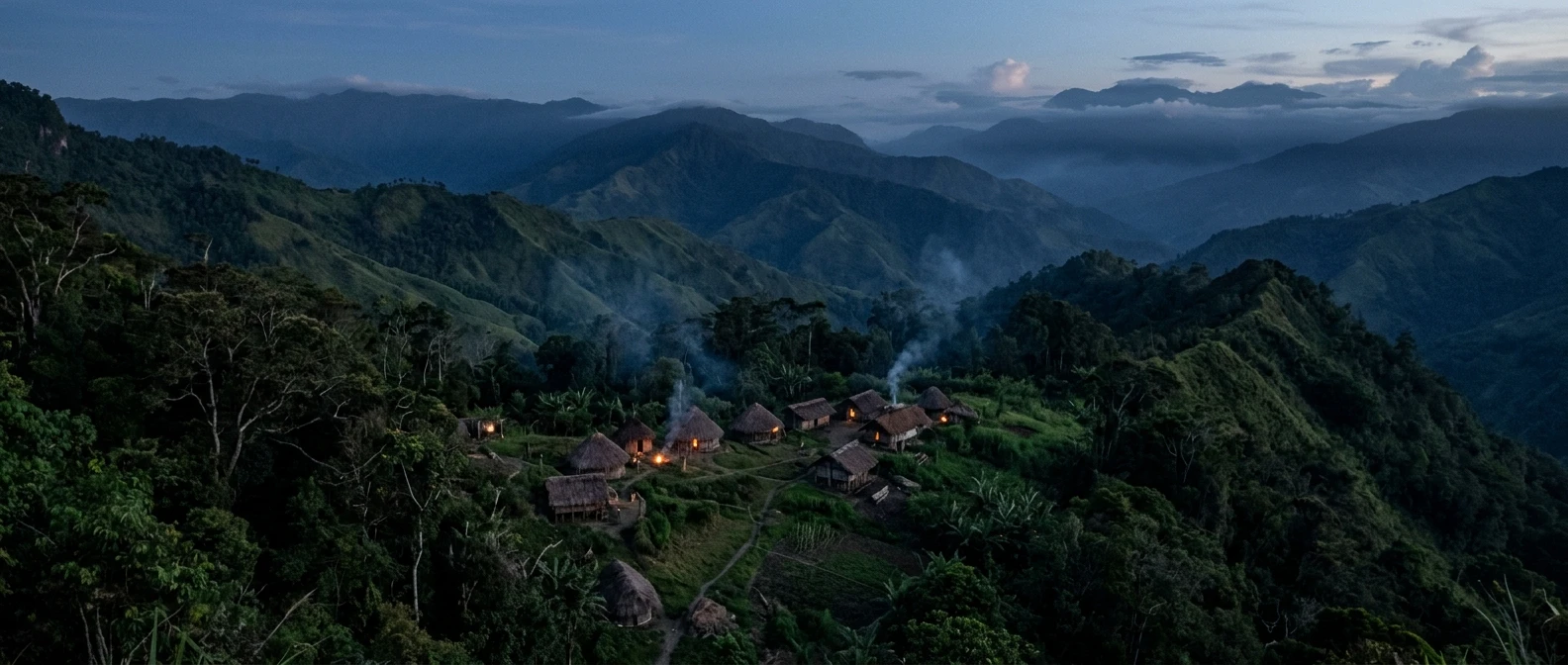
But handing out lanterns is not the same as running a successful energy-access program. Papua New Guinea’s mountains, remote islands, scattered villages, heavy rainfall, and difficult transport make last-mile energy work especially demanding. This guide explains how to set up a program that is practical, accountable, community-led, and able to grow beyond a pilot.
In short: Start with people, not products. Assess needs, partner locally, choose durable and safe lanterns, distribute fairly, train users, plan for repairs, measure honestly, and pilot before you scale.
Why Solar Lanterns Matter in Papua New Guinea
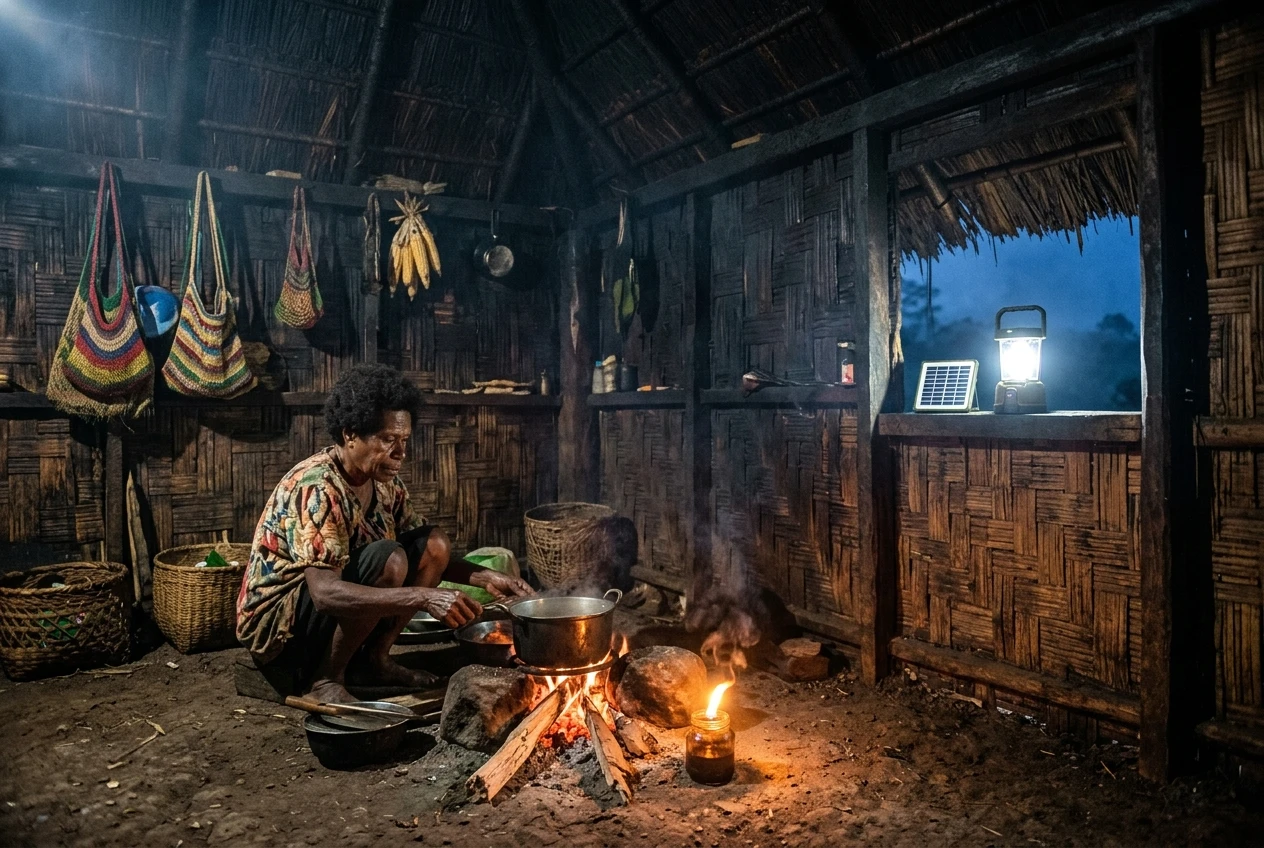
Extending conventional electricity to every remote household is a major undertaking. Where there is no reliable grid, families often depend on:
-
Kerosene lamps and candles
-
Disposable batteries
-
Petrol or diesel generators
-
Paid phone-charging services
-
Trips to another location to charge phones or buy fuel
Each of these carries a recurring cost. A solar lantern can replace part of that spending with a rechargeable light powered by the sun.
What reliable light can support
-
Education: Better conditions for reading and studying after dark.
-
Household safety: Less reliance on open flames, and safer movement around homes, paths, toilets, and water points.
-
Livelihoods: Extra productive hours for market sellers, craftspeople, and fishers.
-
Communication: USB charging, where appropriate, for phones that are otherwise hard to keep charged.
-
Emergencies: Basic lighting during storms, outages, and disasters.
-
Ministry and health work: Dependable light for pastors, evangelists, and health workers travelling between villages.
Lanterns are not a substitute for electrification
A solar lantern program should never be presented as a solution to Papua New Guinea’s wider electricity challenge. It does not replace grid extension, mini-grids, solar home systems, or power for schools and clinics. It is a practical, immediate step while larger infrastructure develops.
The question that should guide every decision is this: What energy problem are we solving, for whom, and what solution fits that community?
Step 1: Start With the People
The most common mistake is buying 500 lanterns and assuming the program has been designed. It hasn’t. Begin by understanding the community.
Questions to ask before you buy anything
-
What do households use for light after dark, and what does it cost them?
-
How far do people travel to charge phones?
-
Do students study at night? Do health workers or pastors travel after dark?
-
Are there safety concerns for women and girls?
-
Are people with disabilities being considered?
-
What happens during heavy rain or disasters?
Include more than one voice
Consultation should not be limited to male community leaders. Include women, youth, teachers, health workers, people with disabilities, church leaders, customary and village leaders, market sellers, and remote households. Women may point out safety and household needs that outsiders miss, while teachers and health workers will highlight education and emergency needs.
Papua New Guinea is not one market
A Highlands village, a coastal community, a river settlement, and an island community differ in language, transport, weather, income, phone ownership, and access to repairs. Adapt the program locally rather than copying a model from elsewhere.
Step 2: Build Trust Through Local Partnerships
Technology can be bought from anywhere. Trust cannot. Strong programs work with people the community already knows, such as churches and faith-based organizations, schools, health facilities, women’s groups, cooperatives, village committees, and district or provincial authorities.
Put responsibilities in writing
RoleResponsibilityProgram managementCoordination, budgeting, procurement, reportingLocal coordinatorsRegistration, communication, distribution logisticsTechniciansTroubleshooting, repairs, technical supportSuppliersProduct quality, warranties, replacementsFinance personnelReceipts, payments, reconciliationCommunity committeesConsultation, verification, complaints, feedback
Set up community oversight
Be ready to answer openly: Who receives lanterns, and why? Are they free or subsidized? Who handles complaints? What happens when a lantern fails? Who keeps the records? Transparency reduces suspicion and protects both the community and your organization.
Faith-based organizations in particular should make eligibility rules clear, so that access to a community energy program is not confused with religious participation.
Step 3: Assess Needs and Map the Logistics
Collect a simple baseline
A baseline is a snapshot of the community before the intervention. Keep it short and useful:
AreaWhat to recordHouseholdNumber of peopleLightingCurrent source and monthly spendingEducationStudents studying after darkPhonesOwnership, and the distance or cost to chargeLivelihoodsEvening economic activityAccessRoad, boat, walking, or airConditionsRain, flooding, seasonal changesSupportLocal repair services and storage options
Plan the last mile
Before ordering, work out how products will reach the province, district, and community; whether you need roads, boats, or flights; where stock will be stored and protected; and how replacements and repairs will happen. A cheap lantern becomes expensive once transport, storage, and replacement logistics are counted.
Match the product to the user
User groupLikely needHouseholdsDependable evening lightStudentsLonger runtime suited to readingTeachersPortable light for preparation and remote teachingHealth workersReliable emergency lightingFishers and market sellersBrighter, tougher outdoor unitsPastors and community workersPortable light for travel between villagesEmergency teamsRugged equipment for repeated use
Step 4: Choose Lanterns That Are Safe and Durable
The cheapest lantern is not always the most affordable. A $10 unit that fails in months can cost more than a $30 unit that lasts years.
Evaluate the whole product: brightness, battery capacity and type, solar panel quality, charging and operating time, USB output, water resistance, durability, warranty, spare parts, repairability, battery replacement, and supplier reputation. Ask for technical specifications and independent evidence rather than relying on marketing claims.
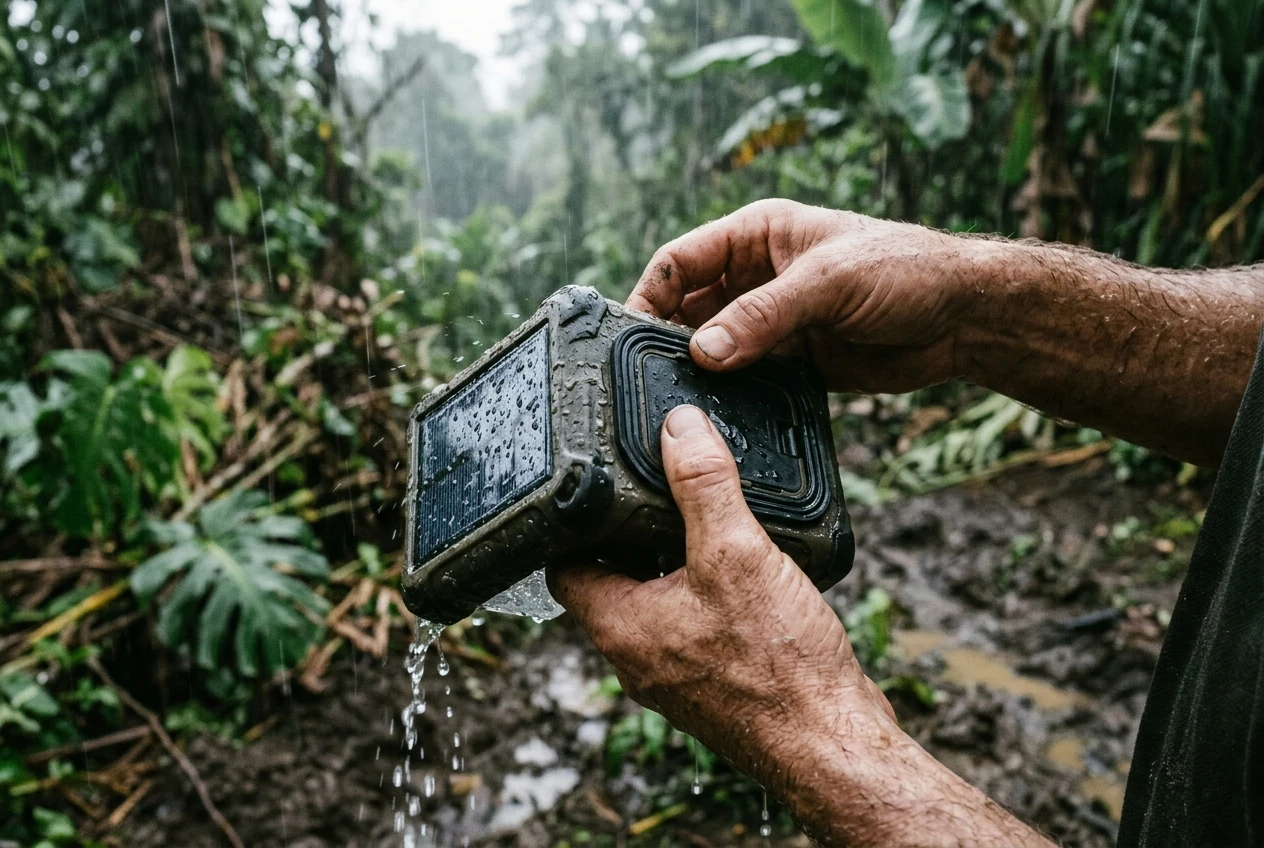
Think about real conditions. Lanterns in Papua New Guinea face humidity, heavy rain, heat, dust, rough roads, boat transport, and daily handling. Choose for the environment where they will actually be used.
Never compromise on safety. Verify quality and safety documentation, and teach users where to place a lantern while charging, how to spot a swollen or damaged battery, how to store units safely, and how to dispose of end-of-life batteries. Never sacrifice safety to increase the number of units distributed.
Always test samples before a large order.
Step 5: Design a Fair Distribution Model
There is no single right model. Options include:
-
Free targeted distribution for highly vulnerable households, remote pastors, schools, health workers, or disaster-affected communities. Selection criteria must still be transparent.
-
Subsidized sales, where the program covers part of the cost and the user pays the rest, which can build ownership.
-
Savings groups, where households save toward a lantern together.
-
Microfinance or pay-as-you-go, where suitable systems exist and affordability is carefully protected.
-
Revolving funds, where repayments finance more lanterns.
Whichever you choose, make the true cost clear: price, deposit, repayment schedule, total payable, repair and replacement costs, warranty terms, and what happens if a payment is missed. There should be no hidden surprises.
Step 6: Train Users and Build Local Repair Capacity
A lantern handed over without instruction is incomplete programming. Every distribution should cover how to switch the lantern on and off, where to place the solar panel, how long charging takes, how to clean the panel, how to use charging ports safely, how to recognize faults, where to get help, and how warranty claims work.
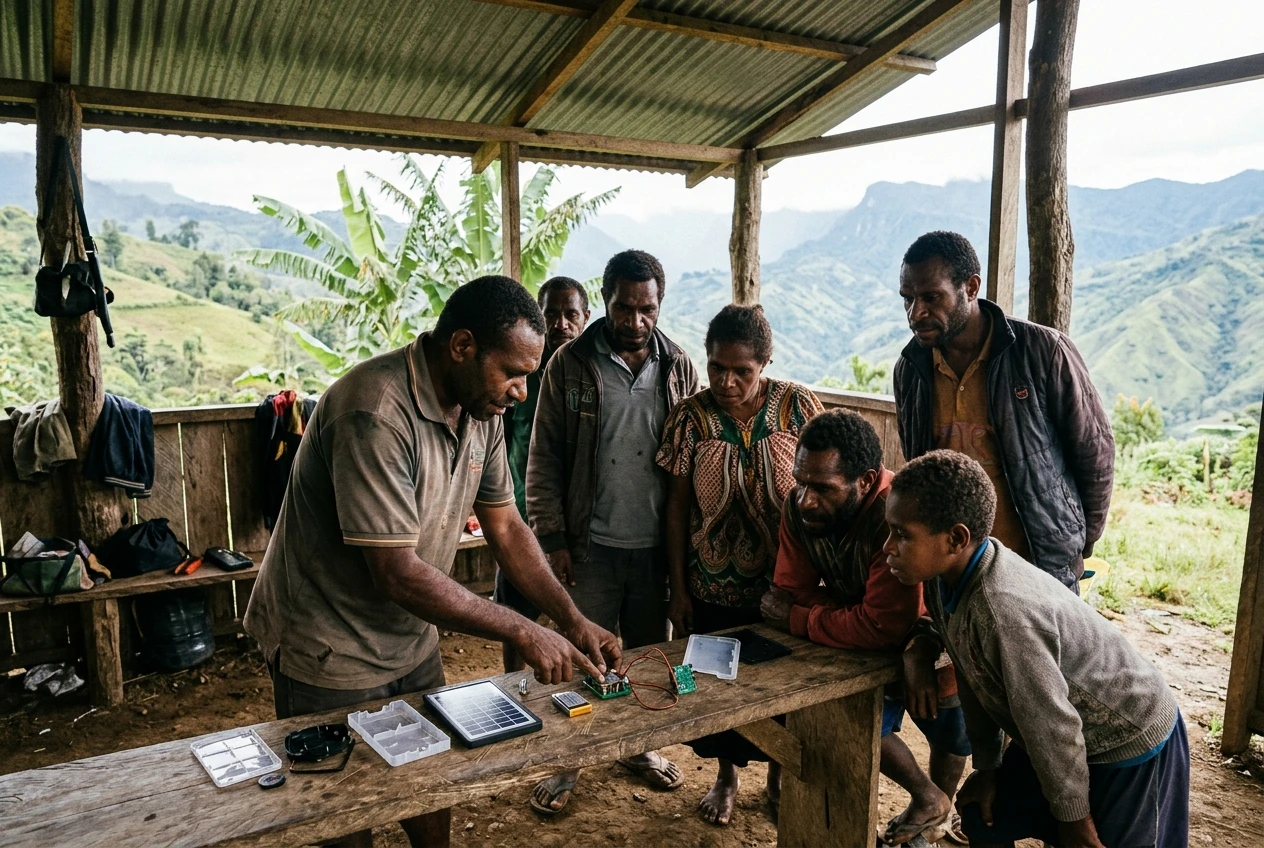
Where literacy varies, don’t rely on written manuals alone. Use live demonstrations, pictures, simple diagrams, local-language explanations, and hands-on practice. A five-minute demonstration often does more than pages of instructions.
Then ask the hard question: Who will fix this lantern six months after the donors leave? If the answer is “the overseas supplier,” you have a sustainability problem. Where possible, train local technicians or community energy agents. This can also create real local livelihoods in distribution, repair, customer support, and maintenance, provided agents are rewarded for quality service and not just for sales volume.
Step 7: Measure Results and Protect Participants
Photos prove lanterns were handed out. They don’t prove the lanterns still work six months later.
Track both outputs and outcomes
-
Distribution: Lanterns delivered, households and communities reached, share of intended participants served
-
Product performance: Failure rate, warranty claims, repair time, replacement rate
-
Household change: Kerosene, candle, and battery spending; phone-charging trips
-
Education and livelihoods: Evening study and evening work reported by users
-
Satisfaction: Ease of use, reliability, willingness to recommend
Be careful with impact claims
Avoid saying “the program improved education” unless the evidence supports it. A more defensible statement is: “Participating households reported better lighting for evening study.” Measure what happened without overstating what caused it.
Make complaints easy and safe
Offer accessible channels such as community focal persons, phone or SMS, suggestion boxes, community meetings, and confidential reporting. Women, young people, people with disabilities, and marginalized residents must be able to use them.
Protect privacy and dignity
Explain why information is collected, how it will be used, who can see it, whether photos will be published, and that survey participation is voluntary. Good documentation should never cost people their dignity.
Step 8: Plan for Sustainability, Scale, and Responsible Exit
The hard question isn’t how to distribute the first 100 lanterns. It’s what happens after them.
Budget for the whole lifecycle
Include procurement, shipping, inland transport, boat or air freight, storage, staff, coordination, training, monitoring, communications, repairs, warranty obligations, replacement units, battery management, administration, and reporting. A program that budgets only for lanterns may not be able to maintain them.
Pilot first
-
Prepare: Assess the community, select partners, test products.
-
Pilot: Distribute a limited number in selected communities.
-
Monitor: Gather feedback and record failures as well as successes.
-
Improve: Adjust the product, training, model, or logistics.
-
Expand: Extend the improved model only when logistics, financing, technical support, and governance are ready.
Connect lighting to wider development
Solar lighting works best when linked to education, health, livelihoods, disaster preparedness, digital connectivity, and, where appropriate, support for pastors and community workers serving remote areas.
A 12-Step Framework for Organizations Like LIGHT PNG
-
Define the mission. For example: to improve access to safe, reliable, affordable lighting for underserved communities in Papua New Guinea while strengthening local capacity.
-
Select target communities using clear criteria: limited electricity, high lighting costs, isolation, vulnerability, and educational or health need.
-
Consult local leadership at community, church, customary, district, and provincial levels.
-
Conduct a baseline assessment.
-
Select and test the product with samples before large procurement.
-
Build the distribution system: registration, eligibility criteria, records, receipts, inventory controls, and warranty procedures.
-
Train local coordinators and technical support.
-
Run a pilot small enough to learn from.
-
Monitor and document successes and failures.
-
Improve before scaling. Don’t repeat a system just because the first round went well.
-
Expand responsibly.
-
Build a long-term supply and support network so communities can keep accessing products and repairs beyond the original project.
Ten Common Mistakes to Avoid
-
Buying before assessing needs
-
Choosing on price alone
-
Distributing without training
-
Having no plan for repairs
-
Selecting participants without transparency
-
Forgetting transport costs to remote areas
-
Assuming every community has the same needs
-
Counting only lanterns distributed (an output, not an impact)
-
Overpromising results
-
Ending support when the funding ends
Frequently Asked Questions
What is a solar lantern program?
An organized initiative that provides or facilitates access to solar lighting for people without reliable, affordable electricity. It may include free distribution, subsidies, sales, financing, savings groups, training, technical support, and monitoring.
How do you start one in Papua New Guinea?
Begin with a community needs assessment, not a purchase. Then identify target communities, consult stakeholders, form local partnerships, assess logistics, choose suitable products, design a transparent distribution model, train users, arrange repairs, and set up monitoring.
Should lanterns be given away free?
Not always. Free distribution suits highly vulnerable households or specific community-service uses. Subsidized sales, savings groups, or other models may build stronger long-term ownership elsewhere. Whatever you choose, communicate it clearly.
How big should a pilot be?
There’s no universal number. It should be large enough to test the product, logistics, training, and support model, and small enough that problems can be fixed before expansion.
What should I look for in a lantern?
Battery capacity, runtime, panel quality, brightness, durability, water resistance, safety, warranty, spare parts, repairability, and supplier reliability, not just price.
Should lanterns include phone charging?
If phones matter for communication, emergencies, education, or livelihoods and charging is hard, yes, but remember that phone charging drains the battery faster, so the product must be built for it.
How do you reach remote villages?
Plan last-mile logistics that may combine road, walking, boat, or air transport, and use local coordinators to organize final distribution and avoid repeat trips.
How can a program last after donor funding ends?
Through local technician training, local distributors, affordable replacement channels, savings mechanisms, responsible cost recovery, supplier warranties, revolving funds, and partnerships with existing institutions. Test your chosen approach during the pilot.
How should success be measured?
Track outputs (lanterns distributed, communities reached) and outcomes (reduced kerosene use, better study conditions, fewer charging trips, more evening work, reliability, satisfaction).
Can churches run solar lantern programs?
Yes. Faith-based organizations can be strong partners where they already have relationships with rural communities, provided there is clear governance, financial accountability, selection criteria, safeguarding practices, and transparent reporting.
Lighting More Than a House
Setting up a solar lantern program is ultimately about people: a child opening a schoolbook after dark, a mother moving safely around her home, a rural pastor travelling with a dependable light, a health worker answering an emergency call.
The strongest programs listen before they distribute, test before they scale, train before they leave, measure before they claim success, and build local capacity before relying on outside help. That is how a small solar lantern becomes part of something larger: a lasting investment in light, dignity, opportunity, and resilience.
Partner With LIGHT PNG
LIGHT PNG is working to bring light to rural pastors, evangelists, and churches across Papua New Guinea, including communities with no electricity. If you’d like to pray, give, volunteer, or partner with us, get in touch today.