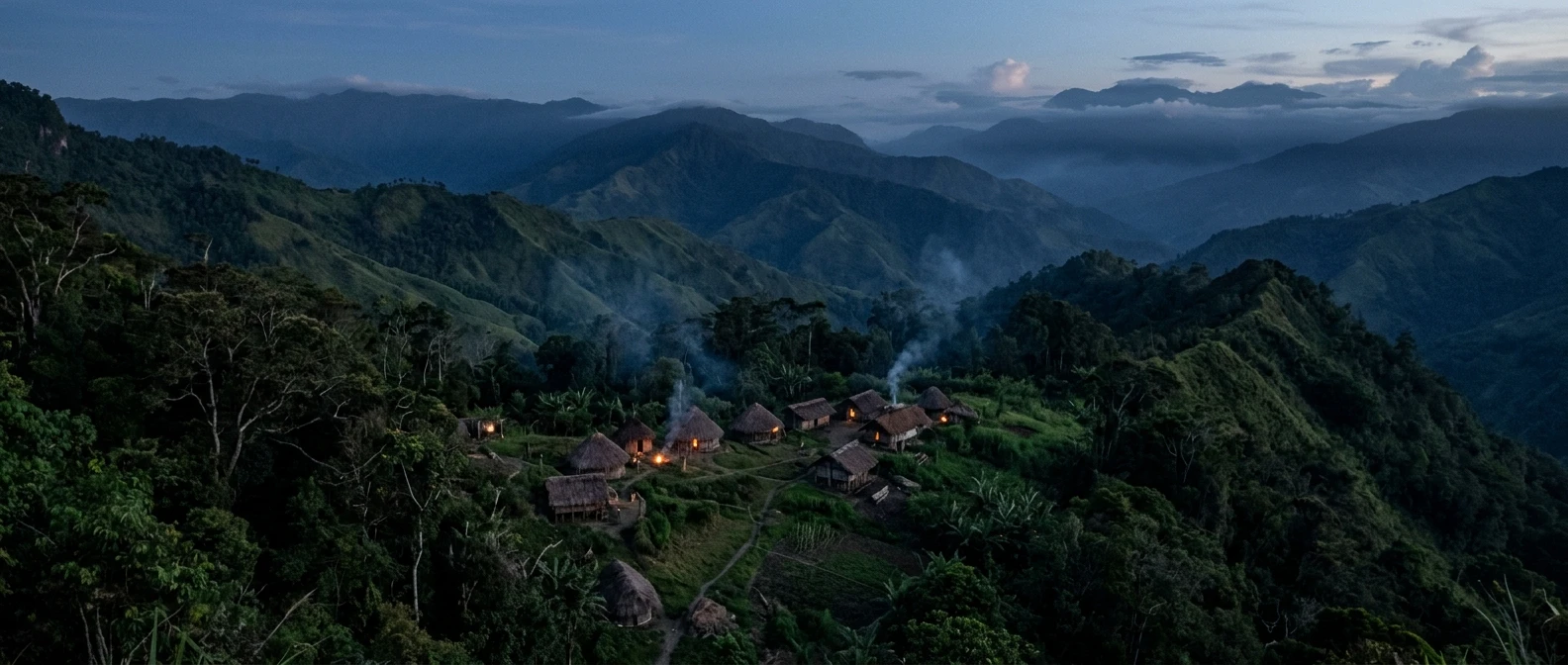

Paul made tents and still planted churches. Across rural Simbu and Jiwaka, pastors do something close to that every day. They work a garden to feed their families, and they also preach, disciple, counsel and pray with their neighbors. If you want to stand with them well, the first thing to understand is how those two kinds of work fit together.
This article is for individual givers, church partners and mission teams thinking about supporting bi-vocational pastors in Papua New Guinea. Pastors and church workers in the Highlands are welcome to read along and tell us where we have it right and where we do not.
A pastor with garden soil on his hands is not a part-time pastor
“Bi-vocational” can sound like a polite word for “not fully committed.” In a village, the opposite is true. The garden is how a pastor’s household eats, and the same neighbors who share his congregation share his daily life. He is not stepping out of ministry when he picks up a digging tool. He is living among the people he serves, in the same conditions they live in.
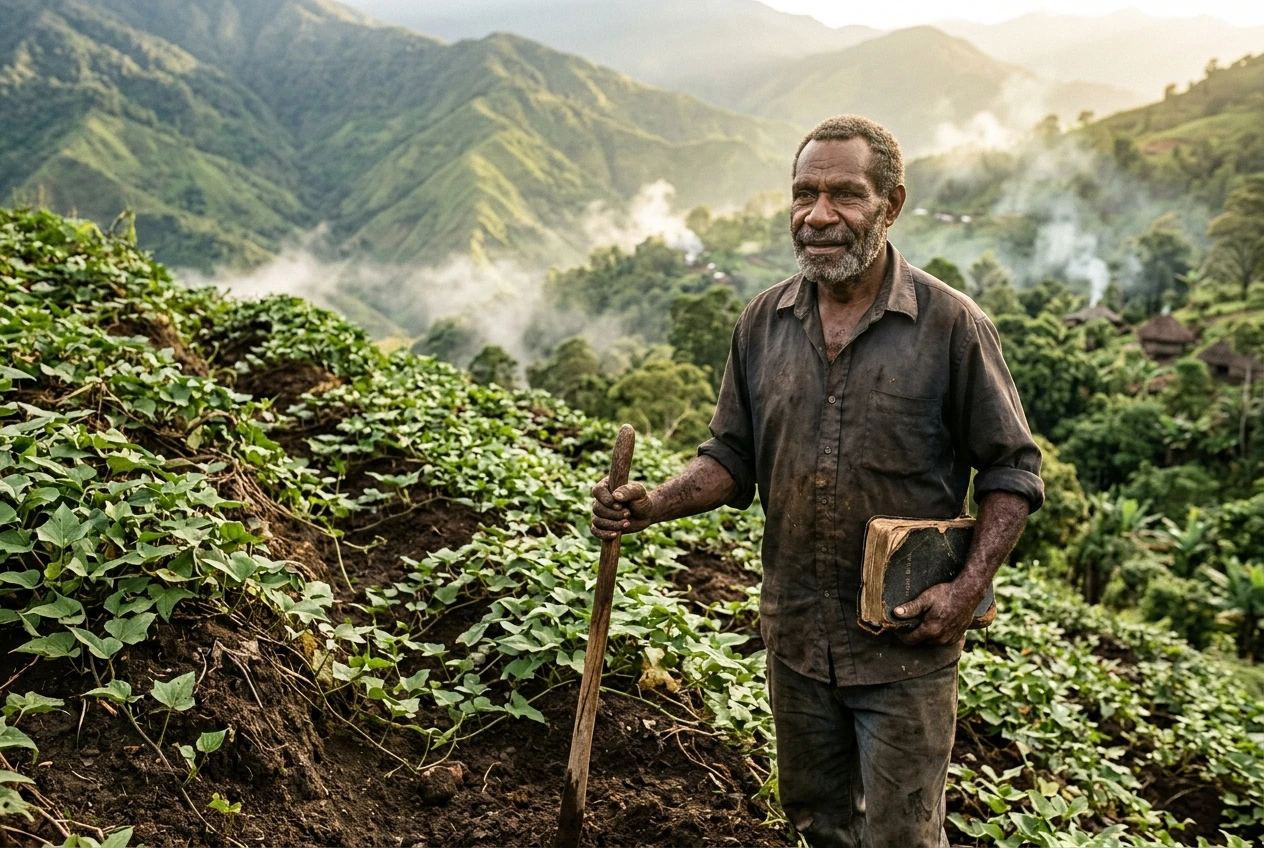
Many of these pastors are unpaid. They lead Bible studies, discipleship and prayer meetings because they were called to, and they carry the garden and the family alongside. Paul wrote that whatever you do, you should work at it with all your heart, as working for the Lord (Colossians 3:23). A pastor in the garden and a pastor in the pulpit are doing one job for one Lord.
Support that begins from this view looks different from support that begins from pity. Pity asks how to get the pastor out of the garden. Respect asks what would make both callings easier to carry.
Where the week goes: garden, family, and the people who knock at dusk
Daylight in a village belongs to the garden, the household and the work that cannot wait. Ministry tends to gather in the hours after that work is done: the Bible study, the prayer meeting, the visit to a sick neighbor, the person who comes to the door as the light fades and needs someone to listen.
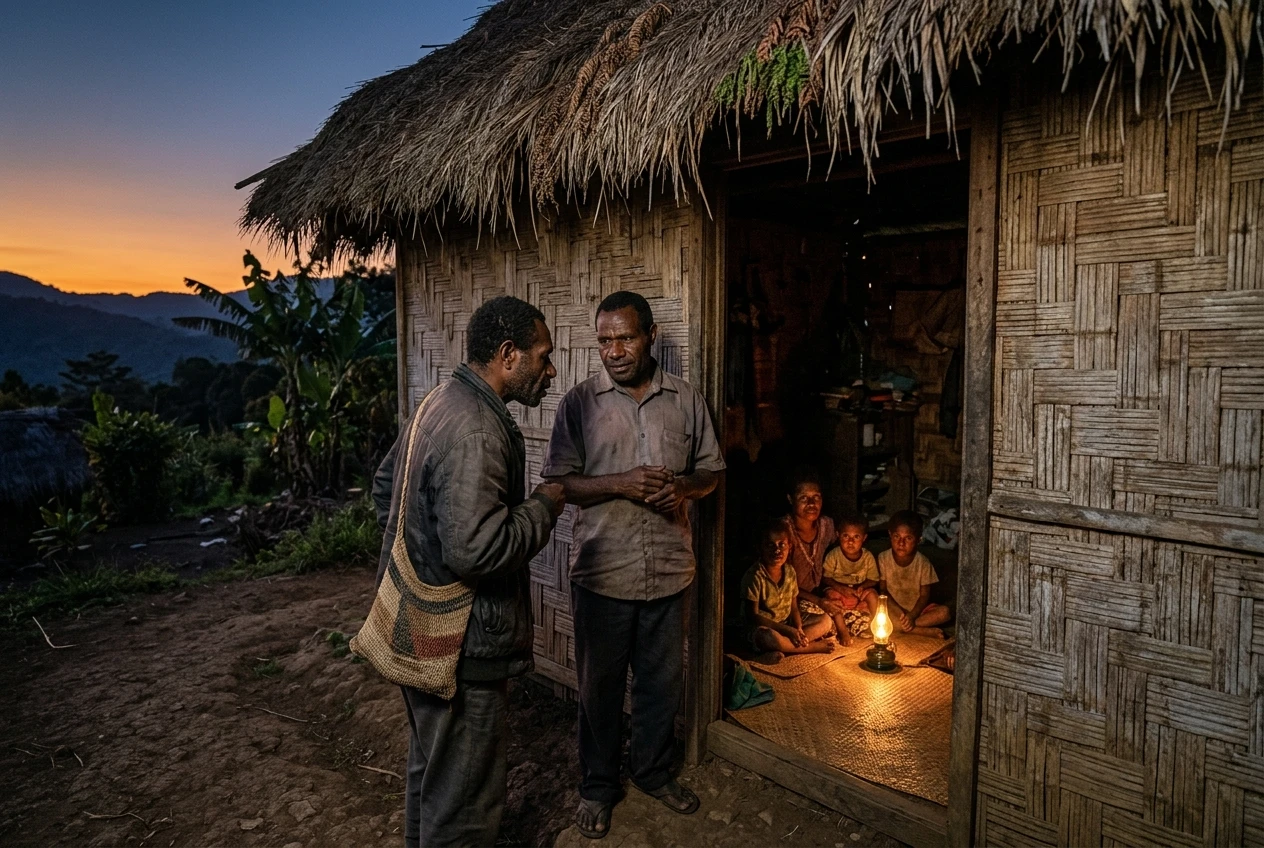
Those hours are also the ones with the least light. Where there is no electricity, evening ministry happens by kerosene lamp, by candle, or in the dark. A pastor can only do as much as the light allows, however willing he is. If you would like a closer look at that part of the day, we wrote about what evening really looks like for a Highlands pastor.
This piece is about the week as a whole. A pastor’s time is split among soil, family and congregation, and it is already full. Any support that adds a new obligation, such as a reporting burden, a program to run or a meeting to travel to, takes from one of those three. Good support gives something back to at least one of them and takes from none.
Support that honors the work instead of replacing it
It helps to ask what a gift assumes about the person receiving it. Some support assumes the pastor should be rescued from his circumstances. Other support assumes he is already doing something worth strengthening.
The second kind has a few recognizable habits:
- It does not try to turn a pastor into a salaried employee of an outside organization. A pastor who answers to a distant funder can lose the trust of the congregation he was called to serve.
- It supplies tools that fit the life he already has. A tool that works in a garden-and-ministry week is more useful than a program designed for a full-time ministry schedule.
- It lets local church leaders decide who receives help. People in Simbu and Jiwaka know their own communities, and they know which pastors are faithful and where a lamp or a training would be used.
- It treats the pastor as a partner. He is a co-worker in the Gospel, and his judgment about his own village counts.
Matthew 5:14 says, “You are the light of the world.” Jesus said it to ordinary people in ordinary work, and rural pastors already carry that light. Supporters do not bring the Gospel to these villages. They help the people who already live there carry it a little farther.
Hours are the scarcest gift, and light gives some of them back
Money is the gift most supporters think of first. For a pastor who farms and ministers, hours are scarcer than money. Nobody can give him more daylight.
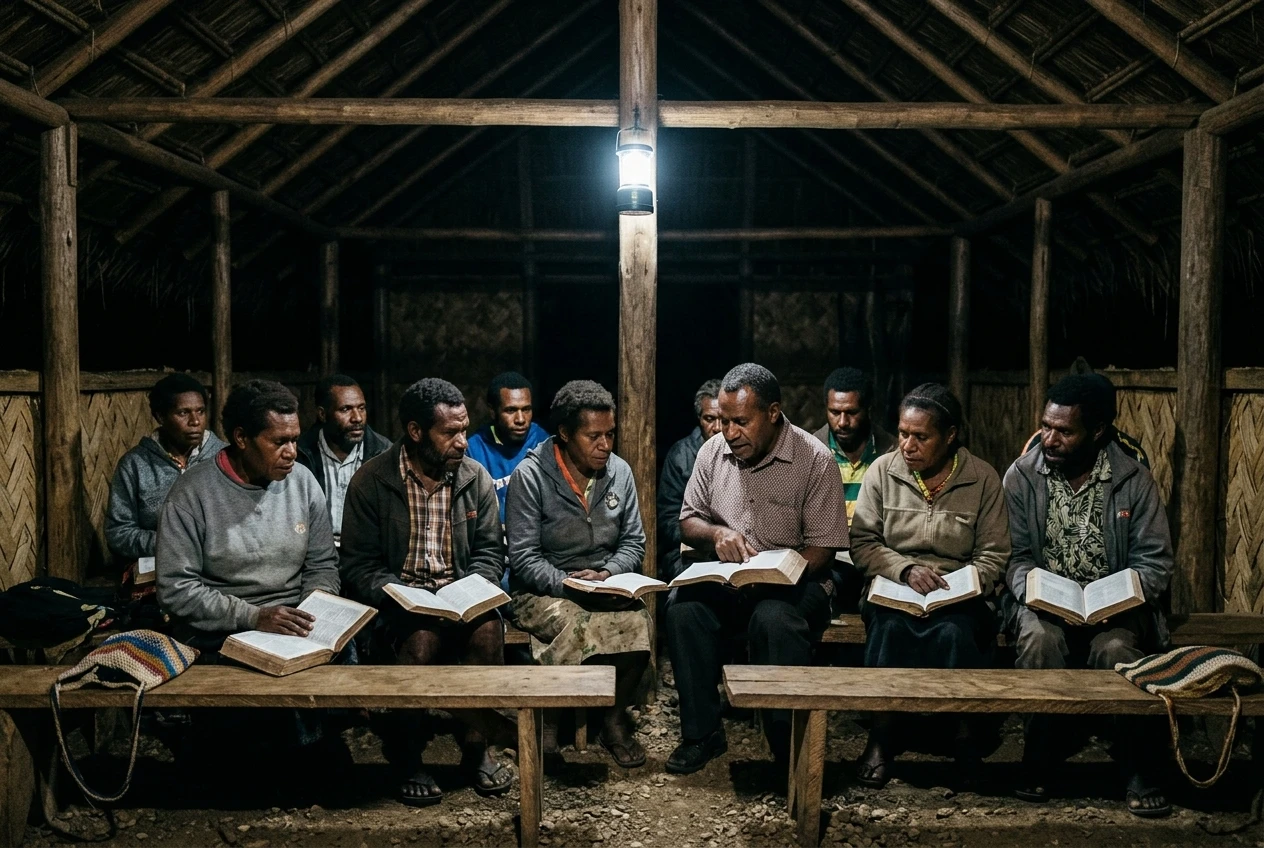
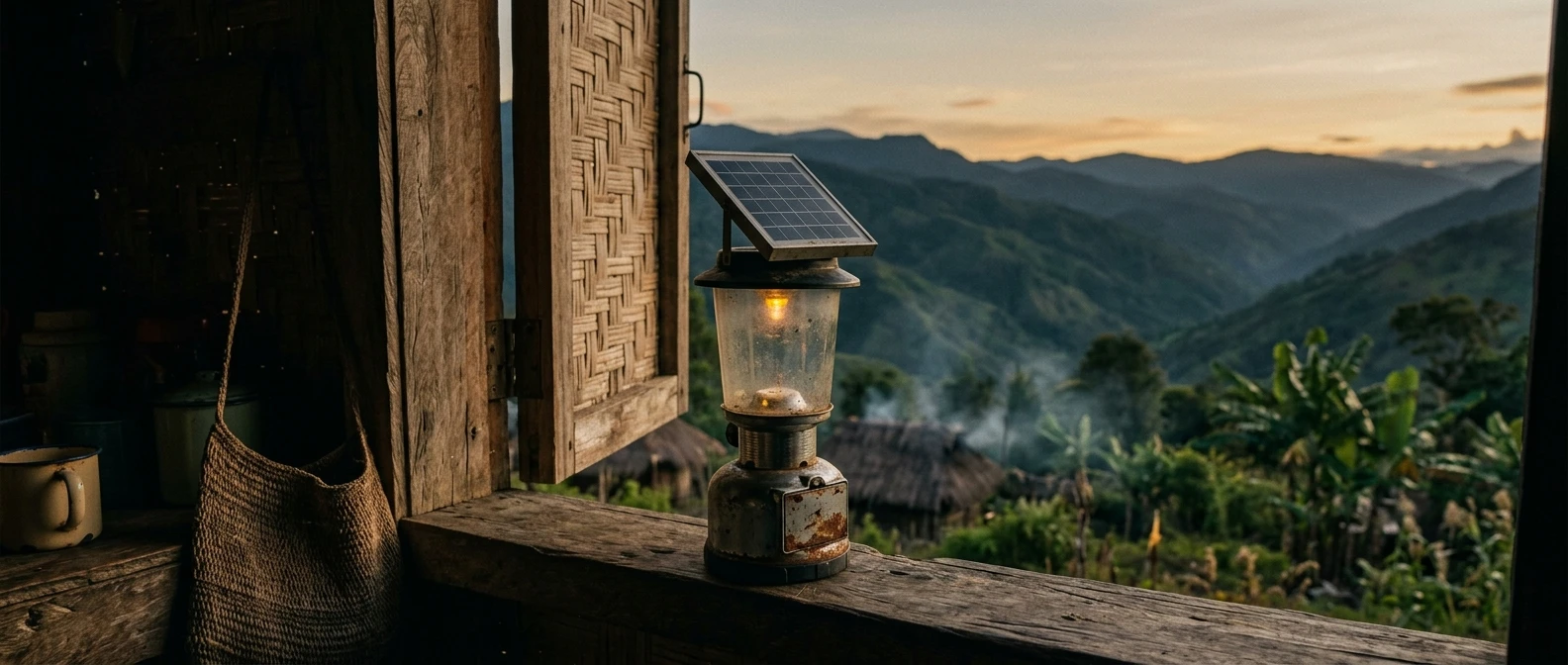
A reliable solar lamp changes what the evening can hold. With steady light, a Bible study can run longer and a pastor can read and prepare his teaching after the work of the day is done. A prayer meeting does not have to end because the lamp is low or the kerosene is gone. Kerosene also costs money and gives off smoke indoors, and a solar lamp removes both problems once it is in the house. We have written more about this in how a solar lamp changes a pastor’s week.
That is where LIGHT PNG started: getting dependable, safe light into the hands of pastors, evangelists and church workers in rural Simbu and Jiwaka. The lamp is not the ministry. It extends the hours in which the ministry can happen, and for someone with a full day behind him, those hours are the gift.
Training that stays in the village after the visiting team leaves
A visiting team can teach well and still leave little behind. If the skill goes home with the team, the village has gone through an event but gained no lasting ability.
The better question for any training is who will be able to teach it next year. That might be a pastor, a teacher, a church elder or a young person from the community. When a local person can pass on what was taught, the training keeps working long after the visit ends.
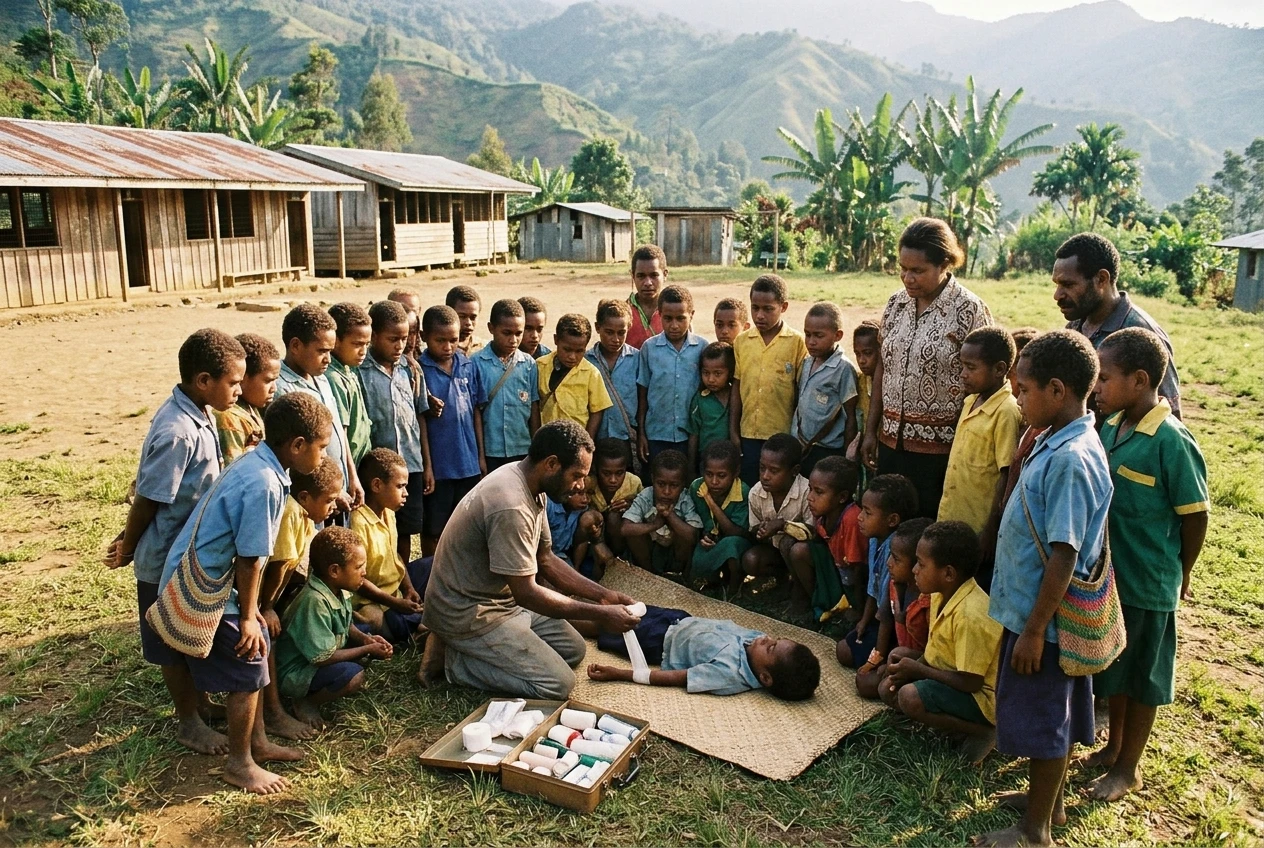
This is how LIGHT PNG approaches its outreach work. The upcoming visit to Ambuna Primary School shows the pattern: spiritual teaching for students, CPR and first-aid training with real certificates and kits, and an eyesight clinic giving out reading glasses, all free and all in one afternoon. First-aid knowledge and a kit in local hands remain useful on the day after the team has gone. If you want to see how the practical side of the work is organized, the page on solar lantern training and support explains it.
Supporters can ask the same question of any program they consider funding. Who here can teach this after the visitors leave? A good program has a clear answer.
What partners can give besides money
Giving funds the work, and a pastor in a remote village can also be strengthened by things that cost little.
- Prayer. Pray for specific things: the week’s sermon, a sick member of the congregation, a family that is struggling. A pastor who knows he is being prayed for by name carries his work differently.
- Letters. A short, sincere note from a church overseas tells a pastor that someone outside his valley knows he is there. Keep it simple and warm, and do not write it as a request for a report.
- Visits. A visit, when it is arranged with local church leaders and fits the pastor’s real week, builds a relationship that giving alone cannot. Come to learn, sit where you are invited, and let the host set the pace.
- Listening. Ask what the pastor and his church leaders would choose for themselves. Then take the answer seriously, even when it differs from your plan.
Listening is the one that changes everything else. A partner who listens first ends up giving better gifts, because the gifts answer something the pastor actually named. A partnership that only talks tends to produce well-meant support that sits unused.
How to know your support is actually reaching the pastor
Giving to a work far from home takes trust, and trust is easier when it rests on things you can check. Whether you give to LIGHT PNG or anywhere else, these are fair questions to ask:
- Who decides who receives help? Local church and community leaders should carry real weight in those decisions.
- What comes back? Look for simple reports and testimonies from recipients, shared on a regular basis and not only when something impressive happens.
- Can the outcomes be named? A specific, checkable result, such as lamps placed with identified church workers or a training completed with certificates issued, tells you more than general goodwill.
- What remains after the project? Ask whether local people can now teach or practice the skill themselves.
- Is the cost honest? Sourcing wisely and cutting unnecessary costs means more of each gift reaches its purpose.
LIGHT PNG’s goal is a reporting loop that closes: recipients send back testimonies and short impact reports, and those reach partners and supporters honestly and consistently. If a program cannot show you where support went, that is a fair reason to keep asking questions.
Stand with a pastor
The pastors of rural Simbu and Jiwaka are already doing the work they were called to, in the garden and in the pulpit. A good partnership begins with seeing both and asking how to help them carry both.
If you would like to join that work, you can stand with a pastor through the Get Involve page. It is an invitation to partner with local church leaders, who guide where support goes and how it is used. You can read about the options, ask questions, and take the time you need to decide how you would like to take part.