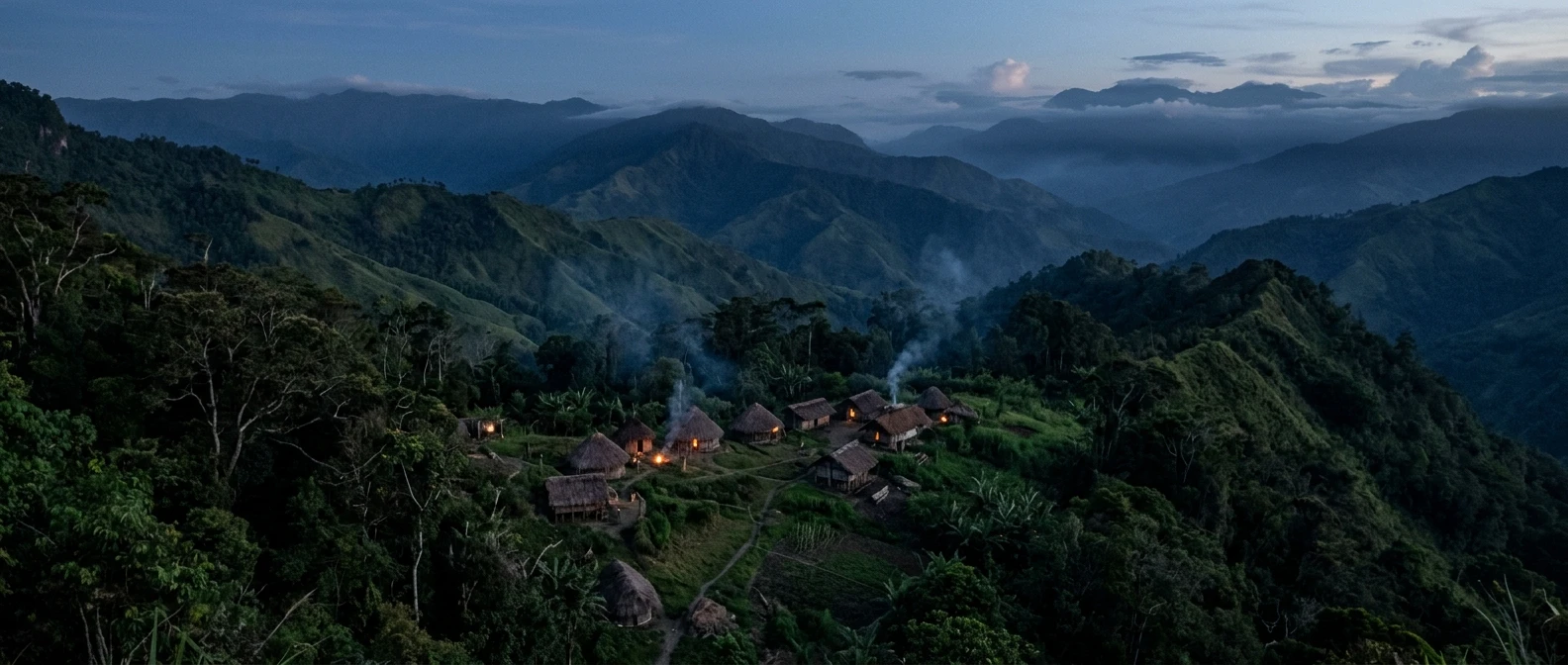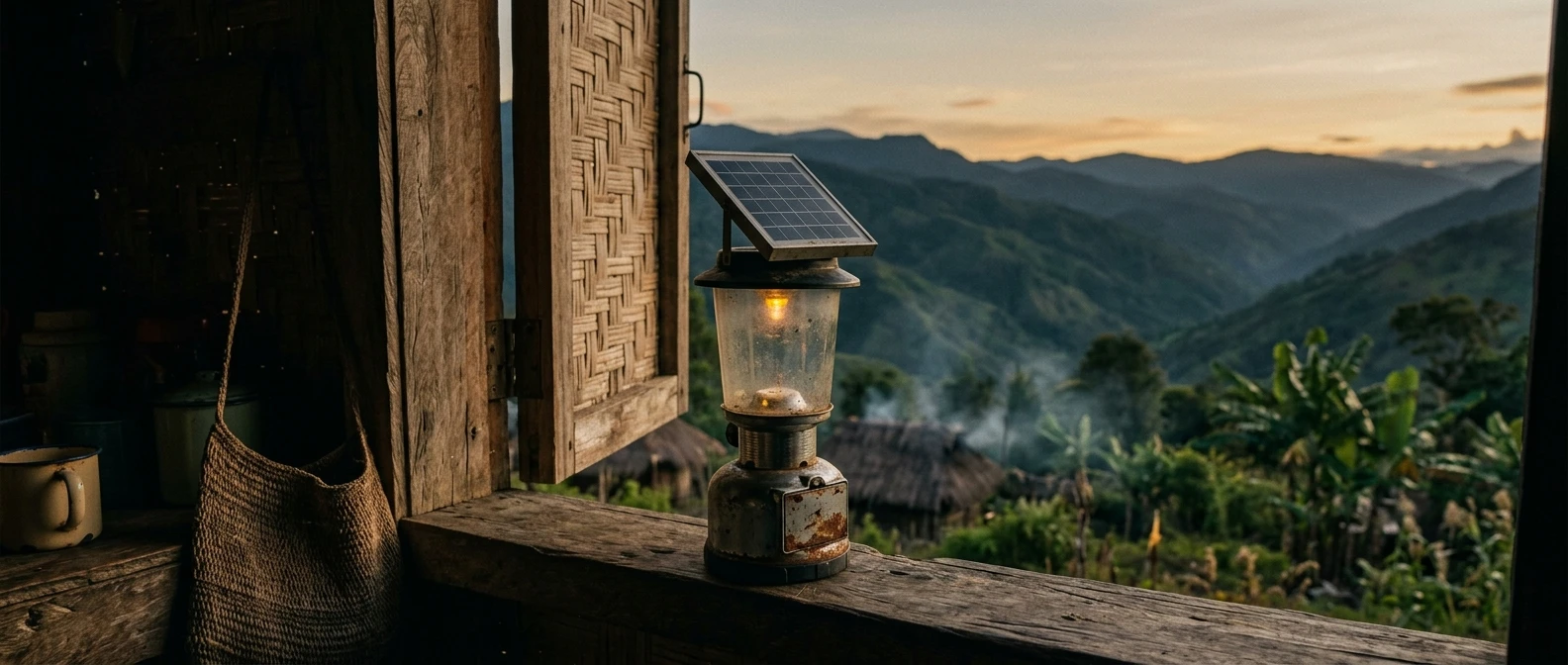

A lamp is a small thing to hold and a large thing to be left without. When one village receives lamps and the next valley does not, people notice. Supporters notice too, and they should be able to see that the order was reached fairly.
Jesus said, “You are the light of the world” (Matthew 5:14). We take that to mean light should go to the people already carrying it, and the order of who is served should reflect that.
It starts with a pastor already serving, not a village on a map
We do not pick a place from a map and then look for someone to hand lamps to. We begin with a pastor, evangelist or church worker who is already leading Bible studies, discipleship and prayer meetings after dark, often by kerosene lamp, torchlight, candlelight or nothing at all.
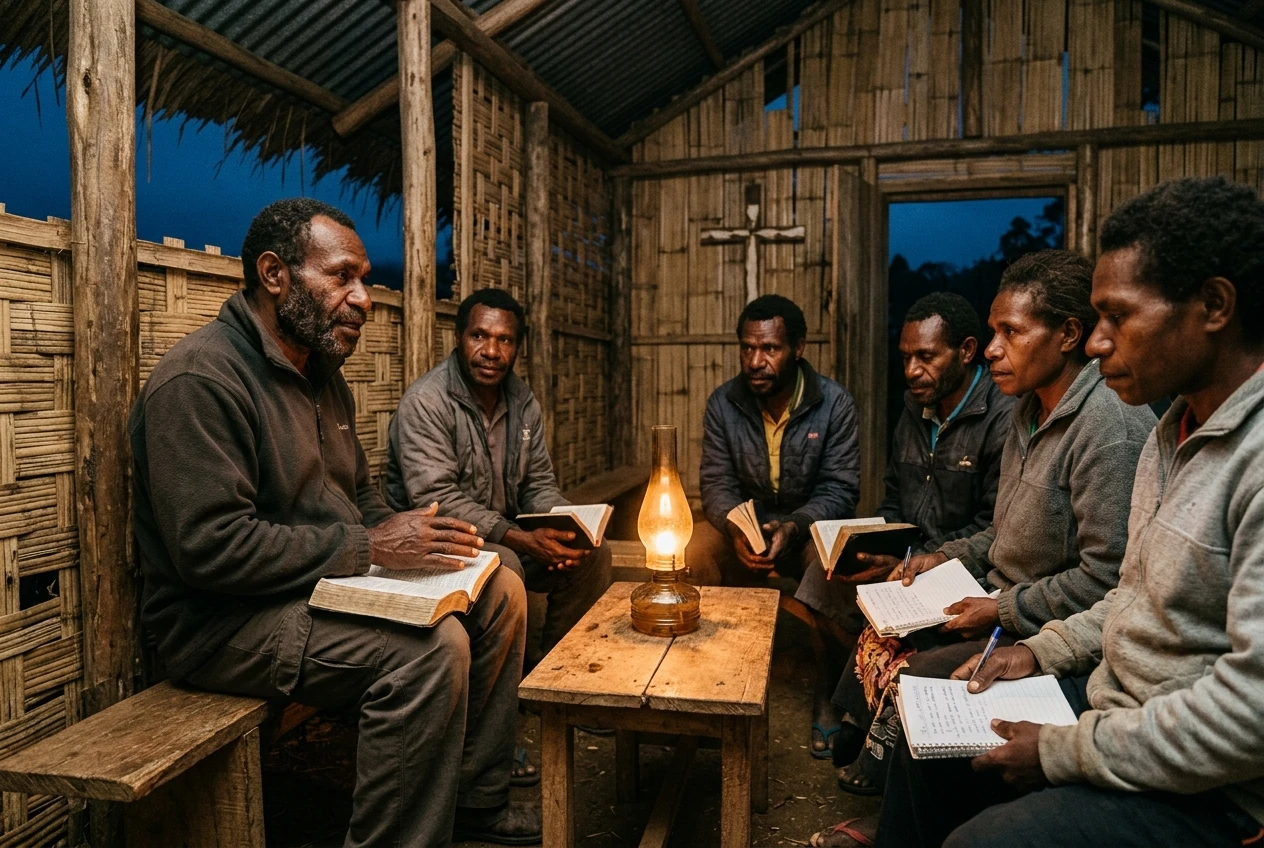
Most of these leaders are bi-vocational and unpaid, farming and raising a family alongside ministry. The work is already happening in their communities. The lamp extends the hours they can do it.
The questions we ask before any lamp is promised
Before we promise anything, we ask a short set of plain questions:
- Is this person already serving, and is the congregation or community already gathering?
- Do they have reliable light in the evening, or are they relying on kerosene, candles or darkness?
- Do local church leaders know this person and stand behind the request?
- Can the lamps be handed over in person, and can we hear back afterward?
The last question matters because a lamp we cannot follow up on is a lamp we cannot report on honestly.
Who sits at the table: local church and community leaders in the decision
The people who know a place decide with us. Local church and community leaders know who is faithful, who has been serving for years without being noticed, and which gatherings meet in the dark every week. An outside team cannot learn that from a visit or a form.
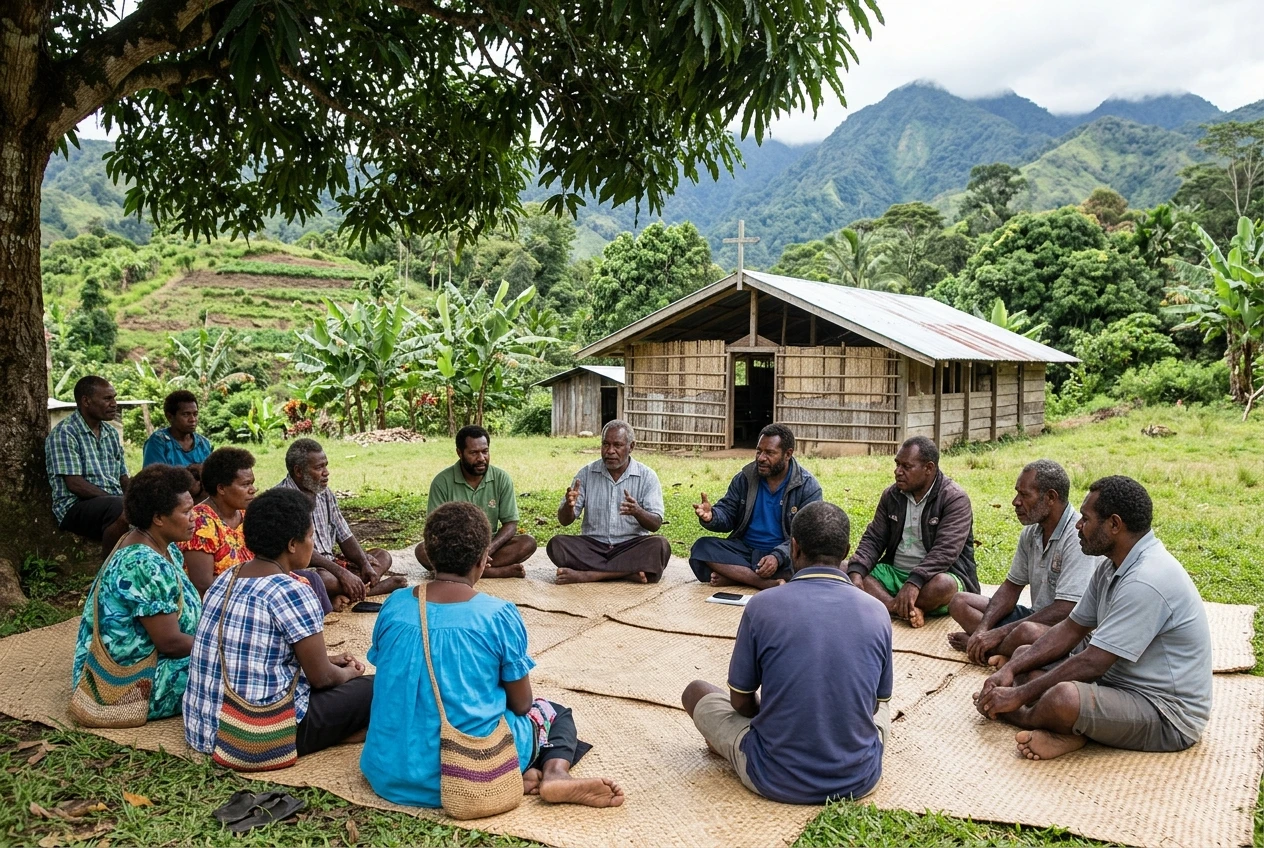
We want these decisions to rest more and more with local leaders, and less on any one person, including the founding team. A process that depends on one person’s memory or judgment is hard for a donor to trust and hard to keep going.
What we do not use to decide, and why
Some things stay out of the decision on purpose:
- How good the story sounds. A village that tells its need well and a village that stays quiet may be equally dark. We do not reward the more polished request.
- Who has a personal connection to the team. Friendship is not a reason to be served first.
- What a community can give back. Lamps are a gift. Nobody earns a place in the order by paying or promising.
- How well it will photograph. We will not choose a village for how its need looks to an outside audience.
Each of these would push the lamps toward people who are easy to see, and away from those who are already faithful but unnoticed.
When a village has to wait, and how we tell them
Some villages must wait. There are more people serving in the dark than there are lamps in a first round, and saying otherwise would be dishonest.
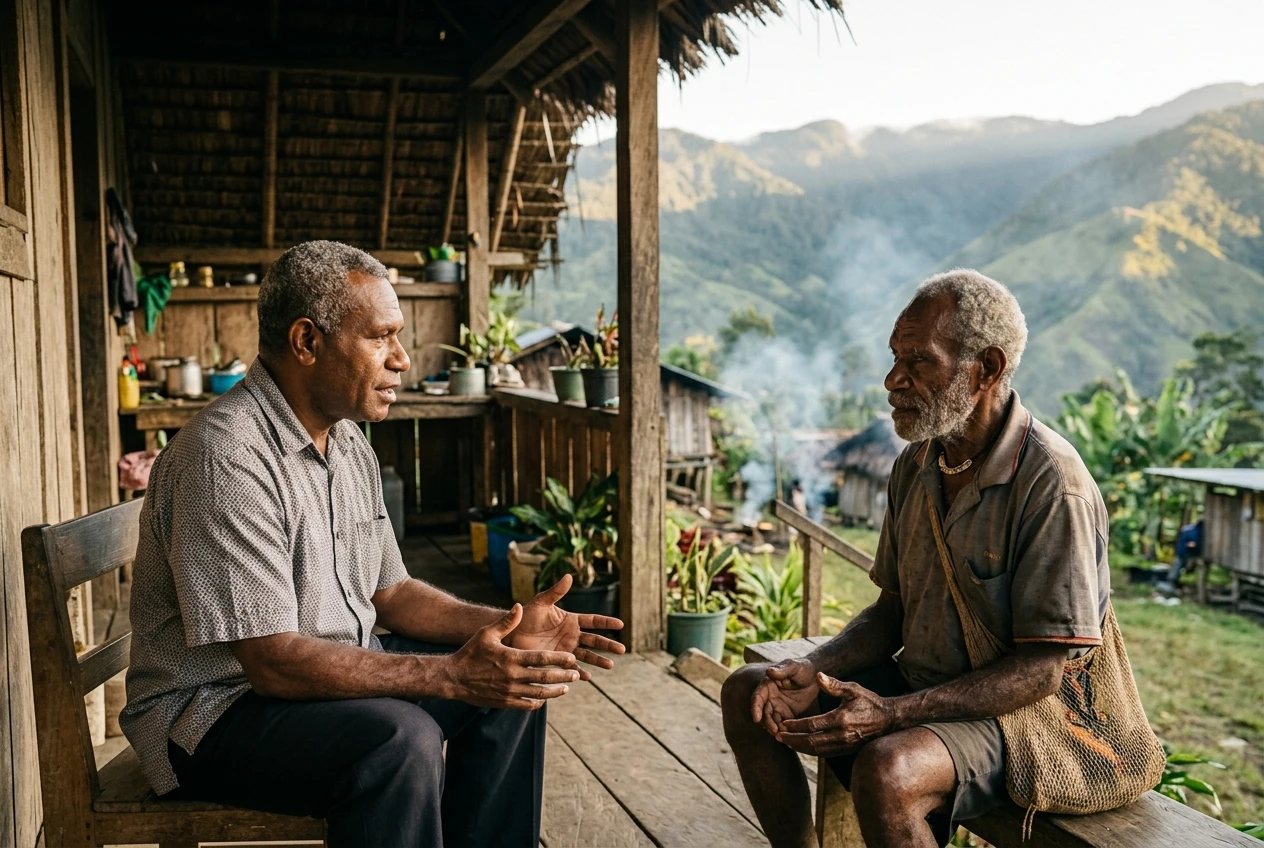
We tell them directly, through the local church leaders they already trust, so the news does not arrive from a stranger. We do not promise a date we cannot keep. We say that the request is known, that it has been heard, and that a later round is the plan. Waiting is hard, but a clear answer is better than a vague yes that never comes.
How we check that the lamps reached the right hands
The lamps go to the named pastors and church workers whom local leaders identified. After that, we ask those same people to send back testimonies and simple impact reports: how the lamp is used, what changed in their evenings, whether it is still working.
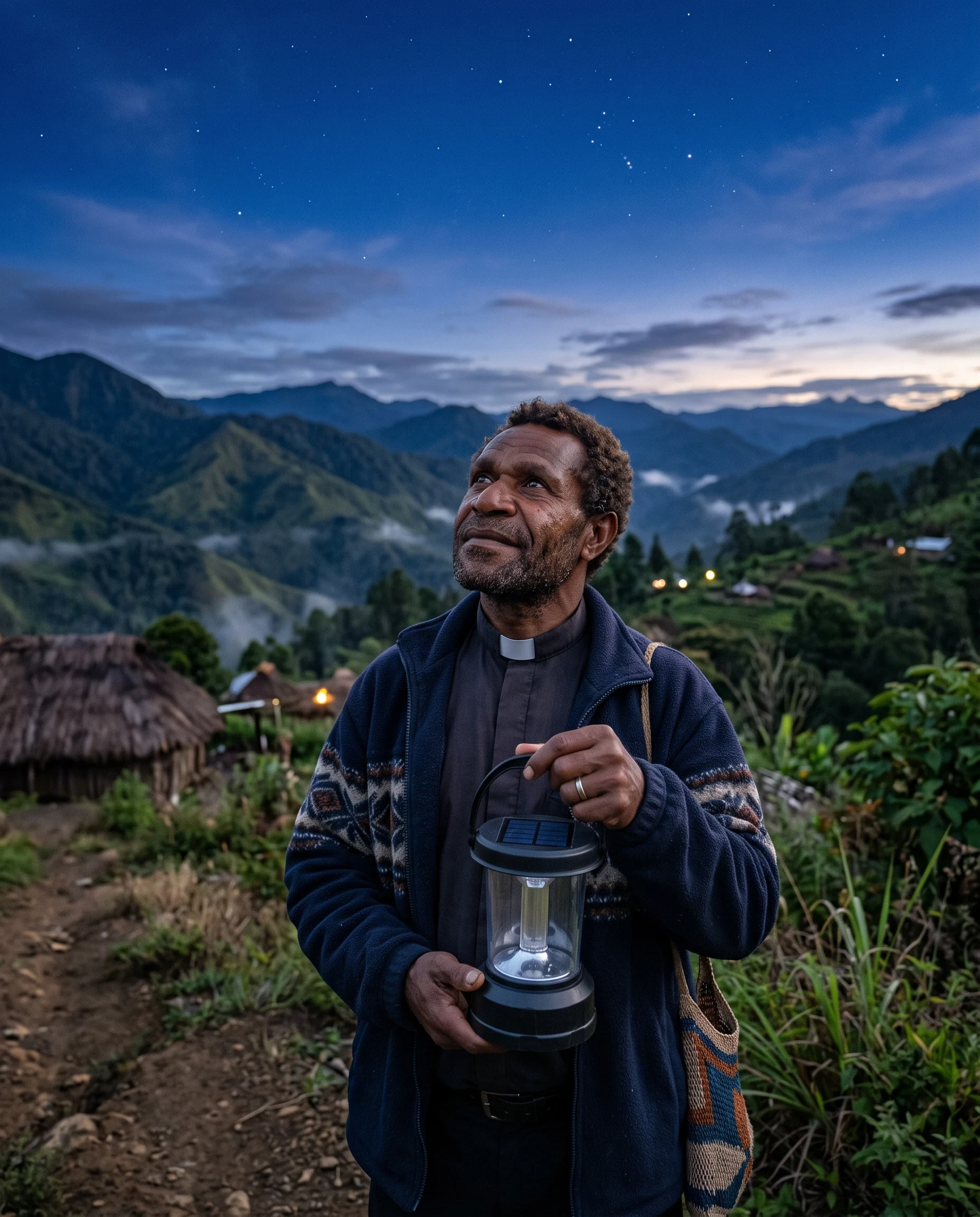
We share these with partners and supporters as a regular practice, whether or not a report is impressive. A donor should be able to point to specific outcomes and see that the lamps went where we said they would.
What second and third rounds mean for the villages not yet reached
A first distribution proves little by itself. The real test is whether the model holds up in a second and third round that reaches new communities. Each round is a chance to serve villages that waited, with the same questions, the same local voices and the same reporting.
If you are in a village still waiting, the order is not a verdict on your faithfulness. It is the order we could manage with the lamps in hand.
See it in practice
To see how distribution works on the ground, read the LIGHT PNG Solar Lantern Distribution page. If you want to stand with a village still waiting for its first lamps, reach out through Get Involve, and we will talk with you about what that could look like.