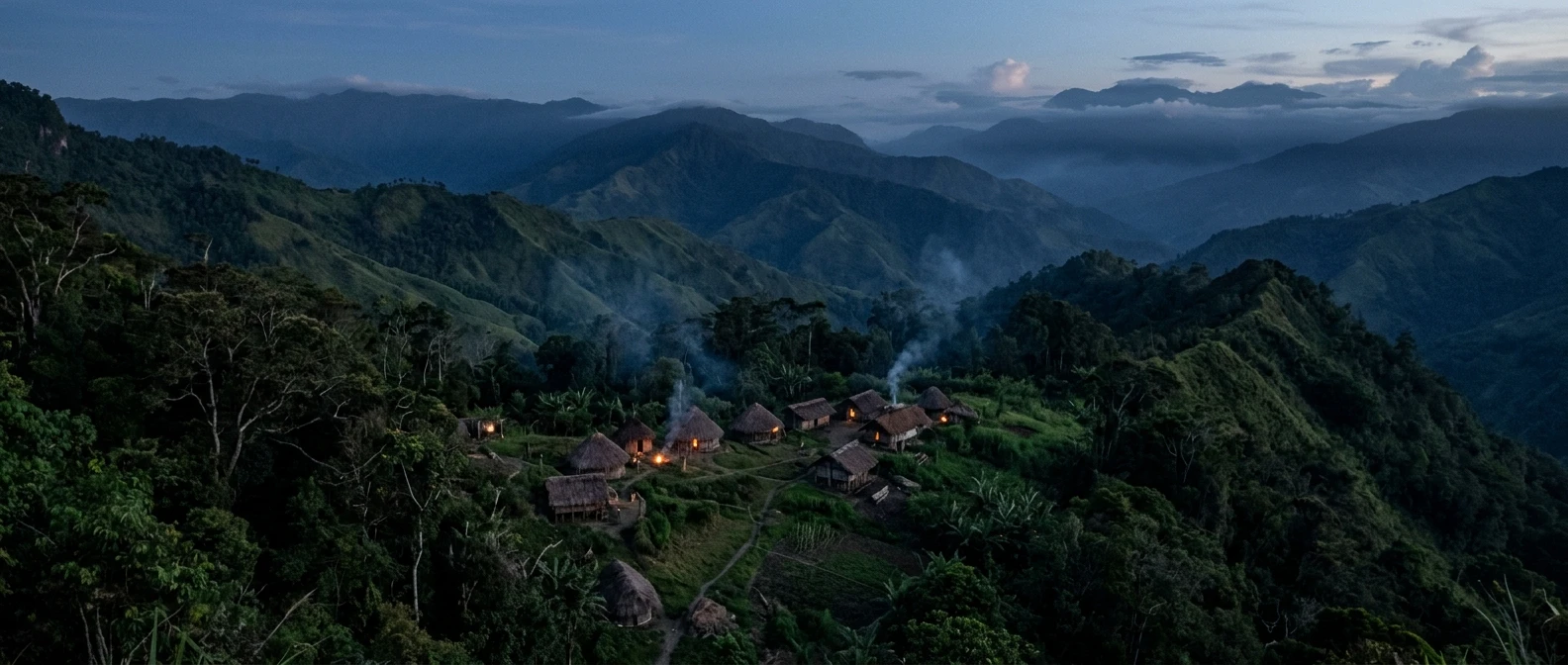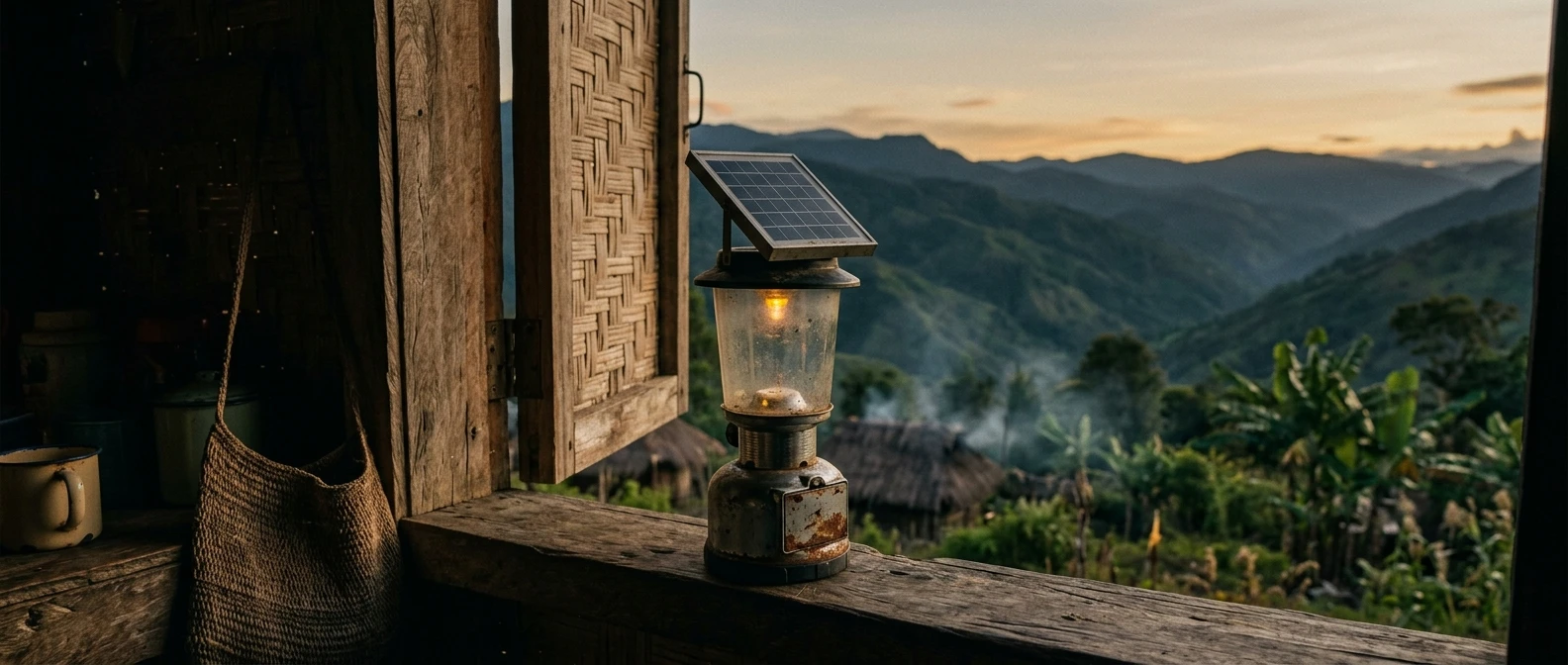

A solar lamp takes a few seconds to hand over and a few more to explain. What the handover cannot tell us is whether the pastor wanted that lamp, whether it suits how he serves, or what he needs next. Those answers only come from a relationship, and a relationship is what LIGHT PNG tries to begin each time we visit a village in rural highlands of Papua New Guinea.
If you are asking how to partner with mission workers in Papua New Guinea, this is the plainest answer we can give: start by listening to the person already doing the work. The rest of this article explains what that looks like for us, what we ask of ourselves, and what we invite from the people who stand with us.
Why a lamp alone was never the point
The lamp is still the heart of what we do. Pastors, evangelists and church workers in the highlands lead Bible studies, discipleship and prayer meetings after dark, and many do it by kerosene lamp, candlelight, torchlight or no light at all. A reliable solar lamp gives them more hours and safer ones. You can read more about what an evening looks like for a highlands pastor if you want the picture in detail.
But a lamp is a tool, and a tool only matters inside a life and a calling that were there before it arrived. Most of the leaders we serve are bi-vocational. They farm, raise families and shepherd a congregation, often without pay and rarely with thanks. Light extends what they were already doing. It does not start anything.
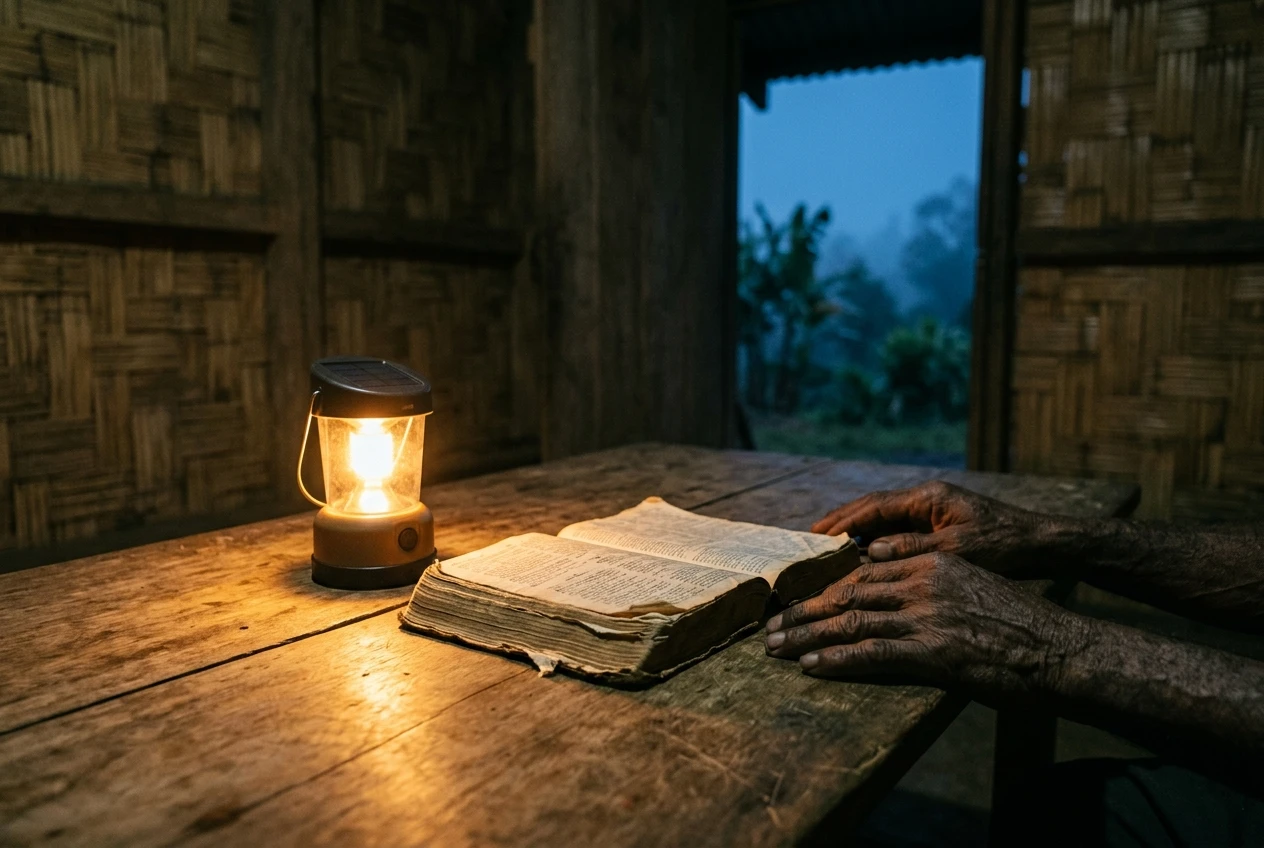
That is why we treat each lamp, each training and each visit as the opening of a conversation. The lamp gets us through the door. What matters is what is said once we are sitting down.
What “alongside” means when the leader already knows the work
A pastor in the highlands knows his congregation, his paths, his seasons and his neighbors. He knows which families have children studying at night and which elders can no longer see to read Scripture. We know none of that when we arrive, and nothing we bring replaces it.
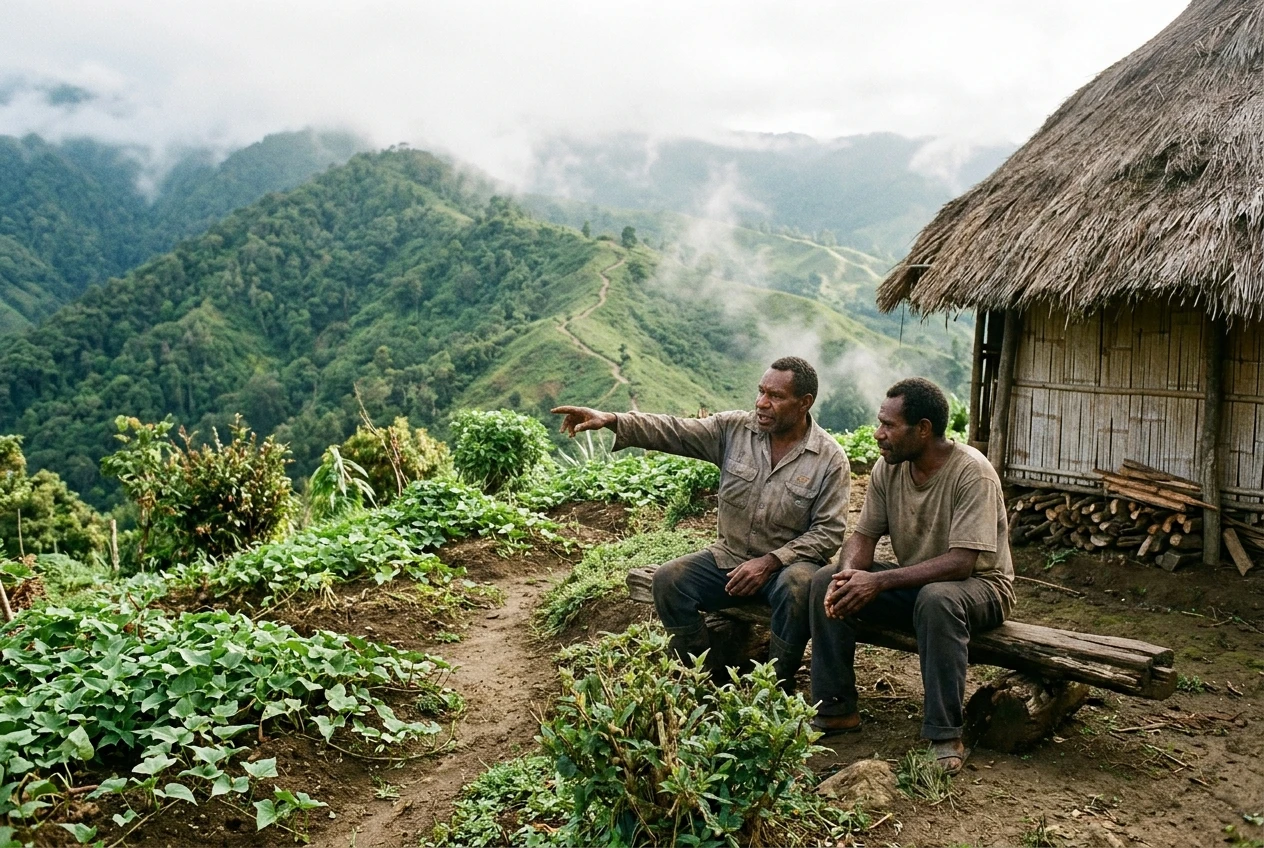
So the posture we try to keep is that of a guest and a helper. We ask before we assume. We do not tell leaders how to have faith or how to serve their neighbors, because they are already living it, often with remarkable resilience and joy. What they have lacked is tools: light, basic training, and practical resources like reading glasses.
Walking alongside someone means matching their pace and their direction. It also means being willing to be corrected. If a leader tells us a plan will not work in his community, that is information we need, and we are grateful for it.
Who decides: how local pastors and church leaders shape where support goes
Decisions about who receives support, how a training is run and how outreach is coordinated are meant to sit with local church and community leaders. We hold ourselves to that for a practical reason: they can see their own communities clearly and we cannot. A list drawn up by outsiders will miss people. A list drawn up by someone who walks those paths every week will not.
In practice, we bring what we can offer, and local leaders tell us where it will do the most good and how it should be done. They know which communities are already being served and which have been overlooked. They know the right time of year and the right way to invite people.
Our aim is for this to grow over time, so that the work needs less from any one person, including us. A mission that depends on its founders cannot last. A mission carried by the local Church can. The LIGHT PNG distribution page describes the gear side of things. This is the part that decides where the gear goes.
Training that stays in the village after we leave
A training event that ends when the visiting team leaves has taught the team more than it taught the village. We would rather leave a skill behind than a memory of a good afternoon.
That shapes how we plan. Whether the subject is spiritual teaching, practical skills like caring for a solar lamp, or health basics like CPR and first aid, we want local people to finish able to teach it again themselves. A person who has been given a kit and a certificate, and who understands why each step matters, can show a neighbor next month. A person who only watched cannot.
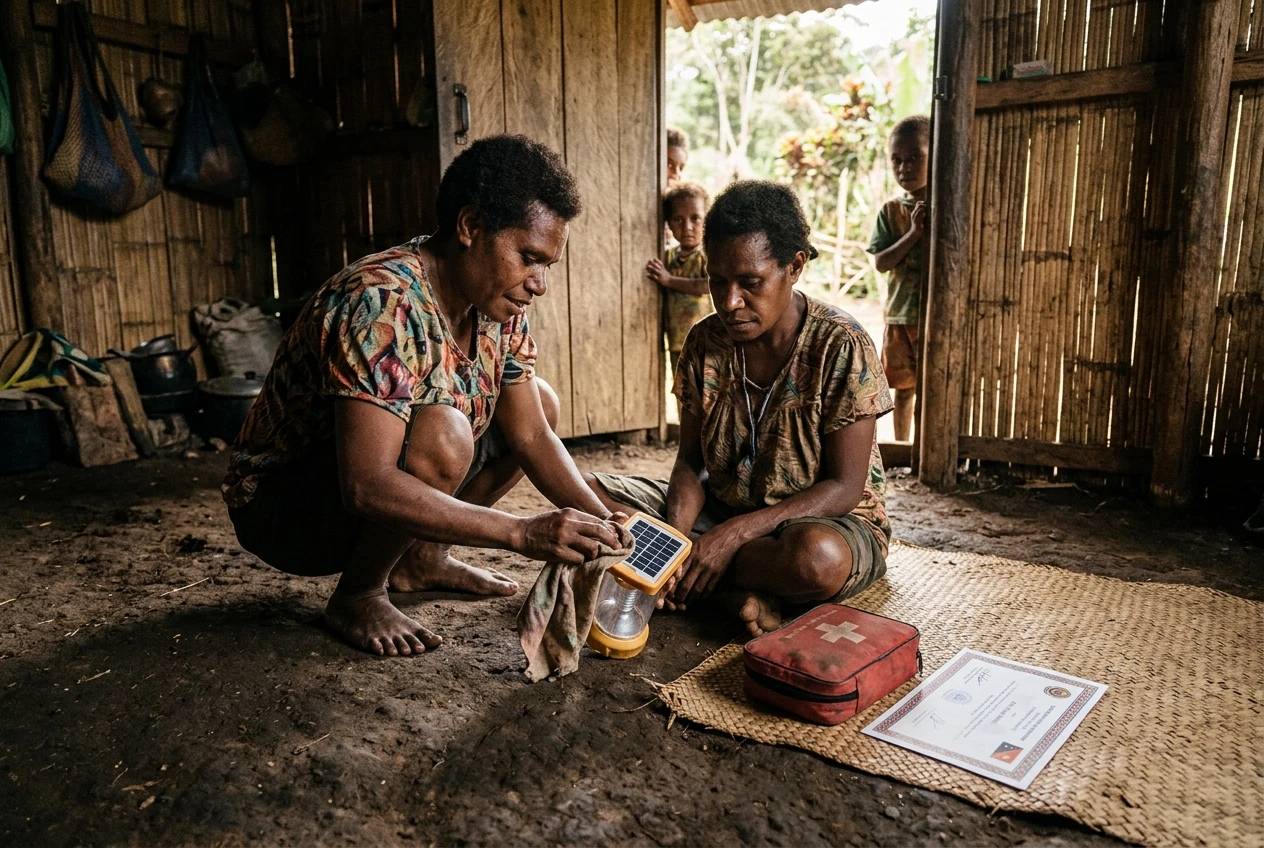
The upcoming visit to Ambuna Primary School is an example of how we think about this. It brings spiritual teaching for students, CPR and first-aid training with real certificates and kits, and an eyesight clinic that gives out reading glasses, all in one afternoon and all free. The certificates and kits matter because they stay with the people who earned them.
Our training and support page explains what we offer in more detail. What we want from each session is people who can carry it forward without us.
Telling the story honestly: testimonies and reports that come back to partners
Partners deserve to know what happened to their gifts, and they deserve the true version. We want a reporting loop that closes: recipients send back testimonies and simple reports, and those reach the people who stood behind the work. We want that to happen as a regular practice, and not only when something impressive occurs.
Honest reporting includes the ordinary. A lamp that is used every evening is worth reporting. So is a lamp that does not fit how a leader serves, or a training that needs to be run differently next time. Partners who only hear good news cannot help us fix anything, and they cannot trust the good news either.
We also want the people in these stories treated with dignity. A testimony is a leader’s own account of his own ministry. It is not material for pity, and we will not present the highlands as a place that exists to be rescued. The people we serve are partners in ministry, and their words should read that way.
What we ask of ourselves, and what we invite from you
First, what we ask of ourselves:
- To listen before we plan, and to let local leaders decide where support goes.
- To train in ways that leave skills behind rather than dependence.
- To report honestly, including when results are modest.
- To spend carefully, sourcing wisely and cutting unnecessary costs so more of each gift reaches its purpose.
- To keep our word, and to say plainly when we cannot.
And what we invite from you, whether you are an individual, a church group, an overseas mission partner or a business:
- Come willing to learn. Local leaders know things you do not, and the best partners treat that as a gift.
- Stay in the conversation. A partnership is more than a single gift. It grows through regular contact, and many partners give on an ongoing basis or join outreach in person.
- Give in the way that suits you. LIGHT PNG is funded through individual giving, church and network giving, overseas partners, business sponsorship and in-kind support such as transport or materials. No single source carries the whole work, and that is deliberate.
- Trust the local leader’s judgment. When a pastor says what his community needs, that is the plan.
For pastors and church leaders in the highlands who are reading this: partnership with us means you are the one who knows the work. We bring light, training and practical support. You tell us where, when and how. If something we propose does not fit, say so.
Where a partnership goes after the first round
A first round of lamps or a first training is a beginning. The test of the model is whether it holds up afterward: a second and third round reaching new communities, leaders who need less from outside, and partners who can point to specific, checkable outcomes and not just goodwill.
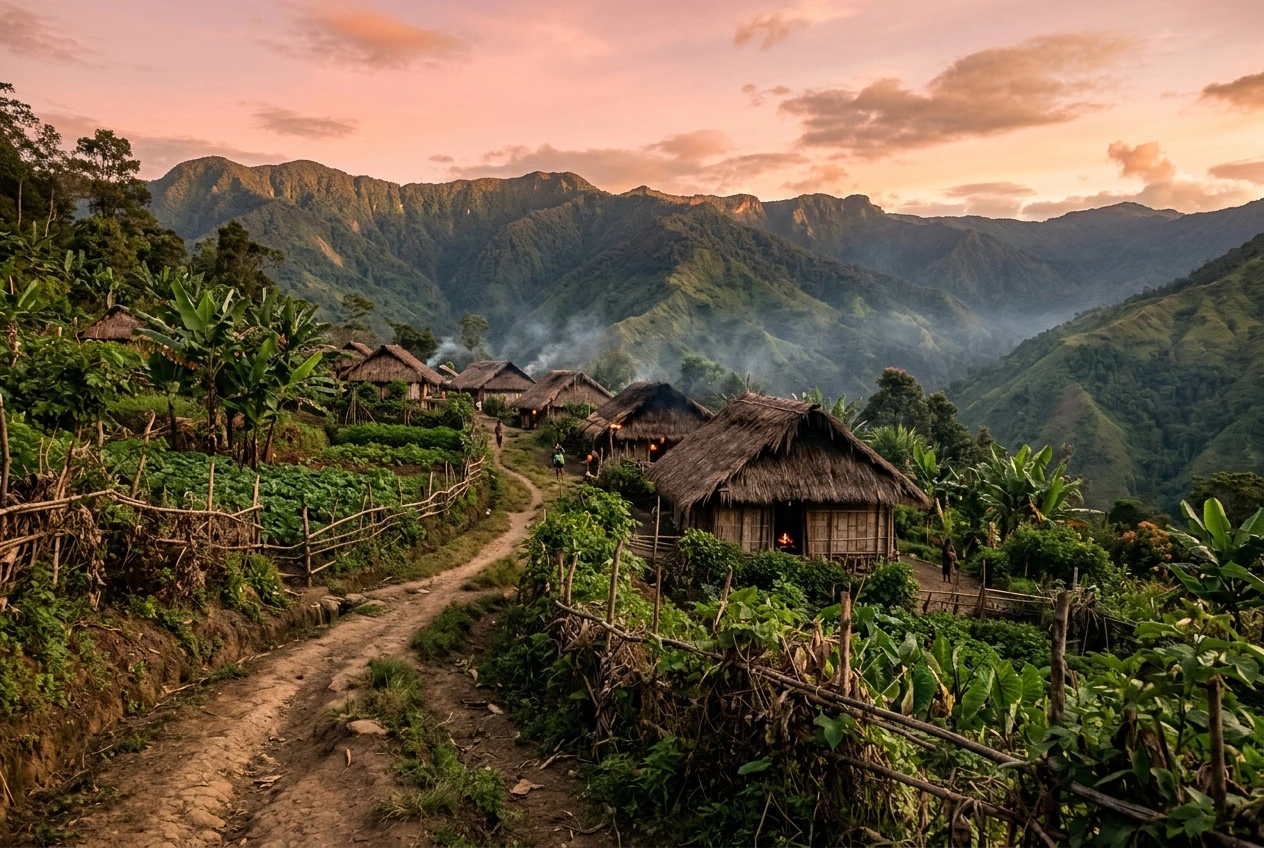
We would also like relationships with church networks, local institutions and supporting partners to move from one-off cooperation toward standing agreements and shared ownership of the mission. A partnership that has deepened looks different from a transaction. People know each other by name, they plan together, and each side trusts the other’s report.
We know a partnership is working when a local leader is making the decisions, a skill taught in his village is being taught again by someone who was not in the room the first time, and a partner far away can see what became of their support because it was reported honestly. None of that happens fast. It builds as people keep showing up for one another.
The mission rests on Matthew 5:14, “You are the light of the world.” The pastors we serve already are that light. Our part is to stand beside them and help it reach further.
If this is how you want to serve, visit the Get Involve page and start a conversation about standing with a local leader, a congregation or a community in the rural highlands of Papua New Guinea.