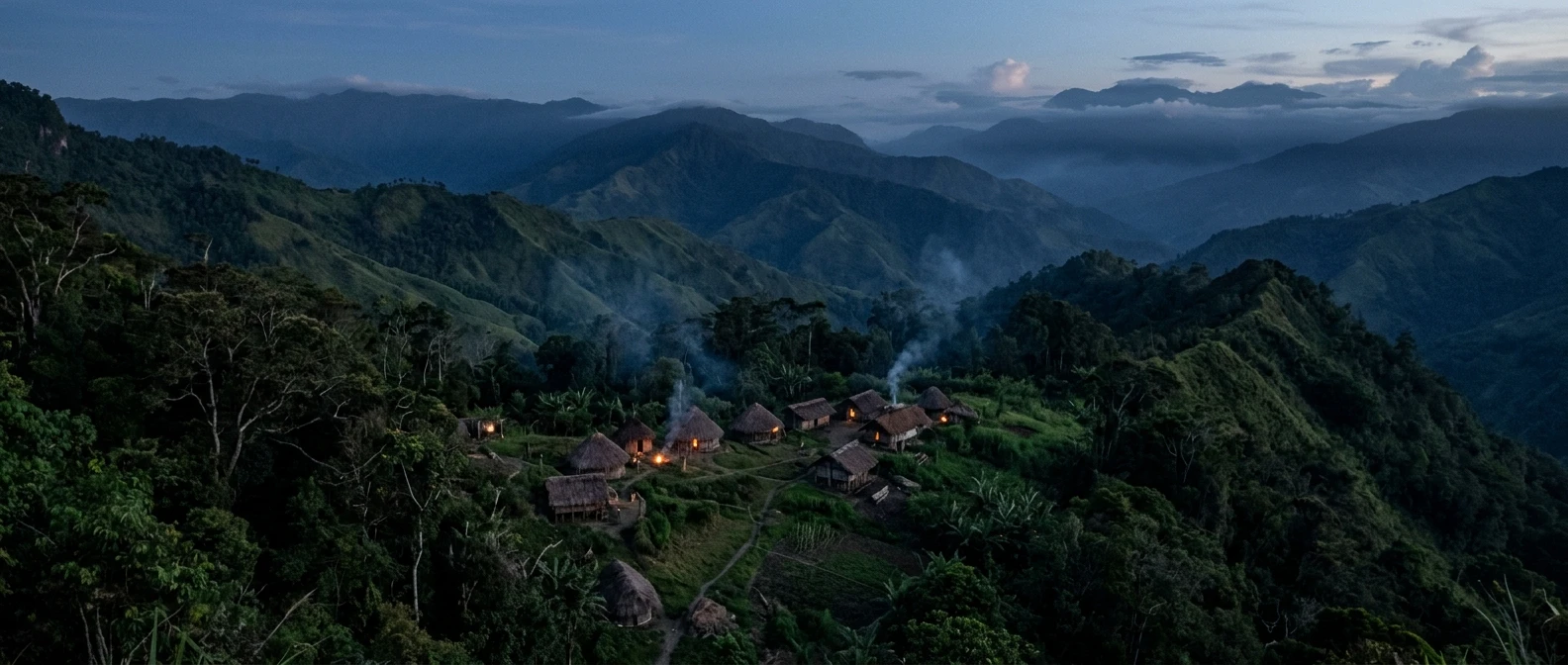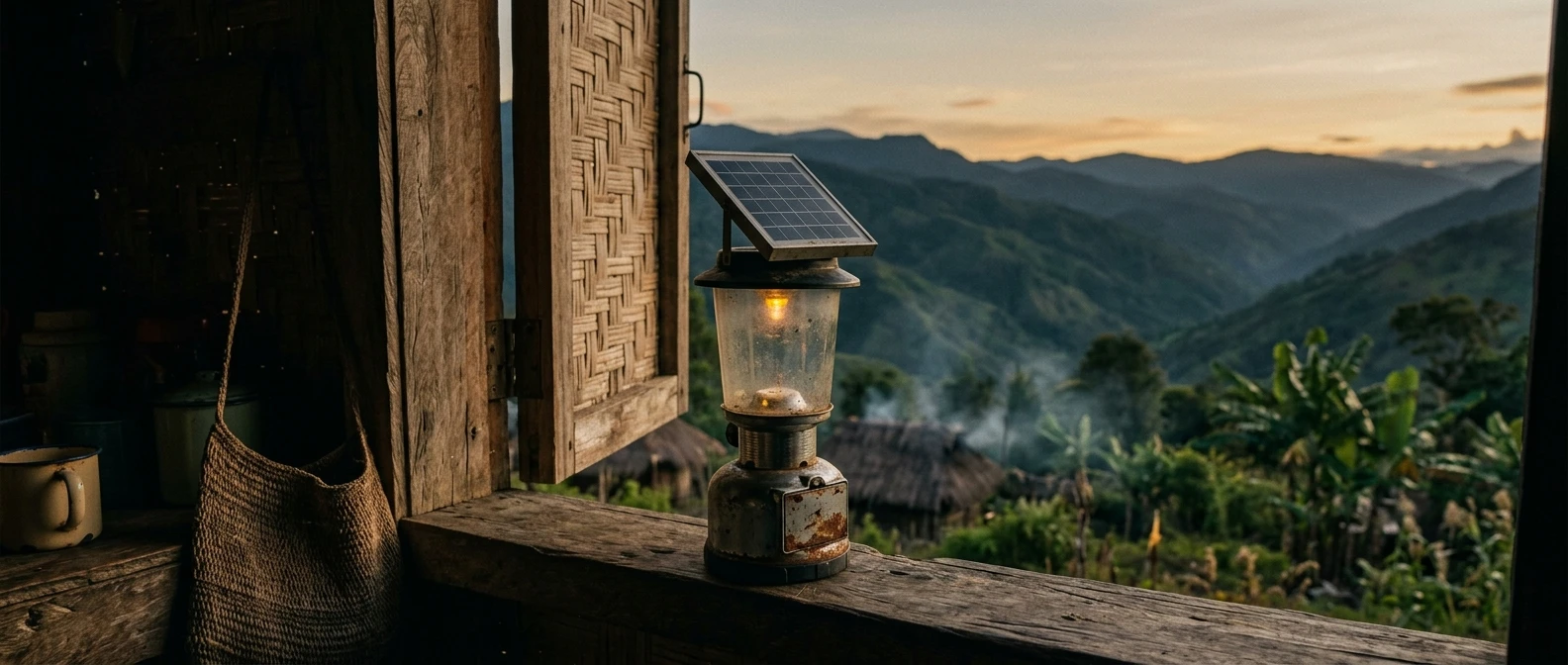

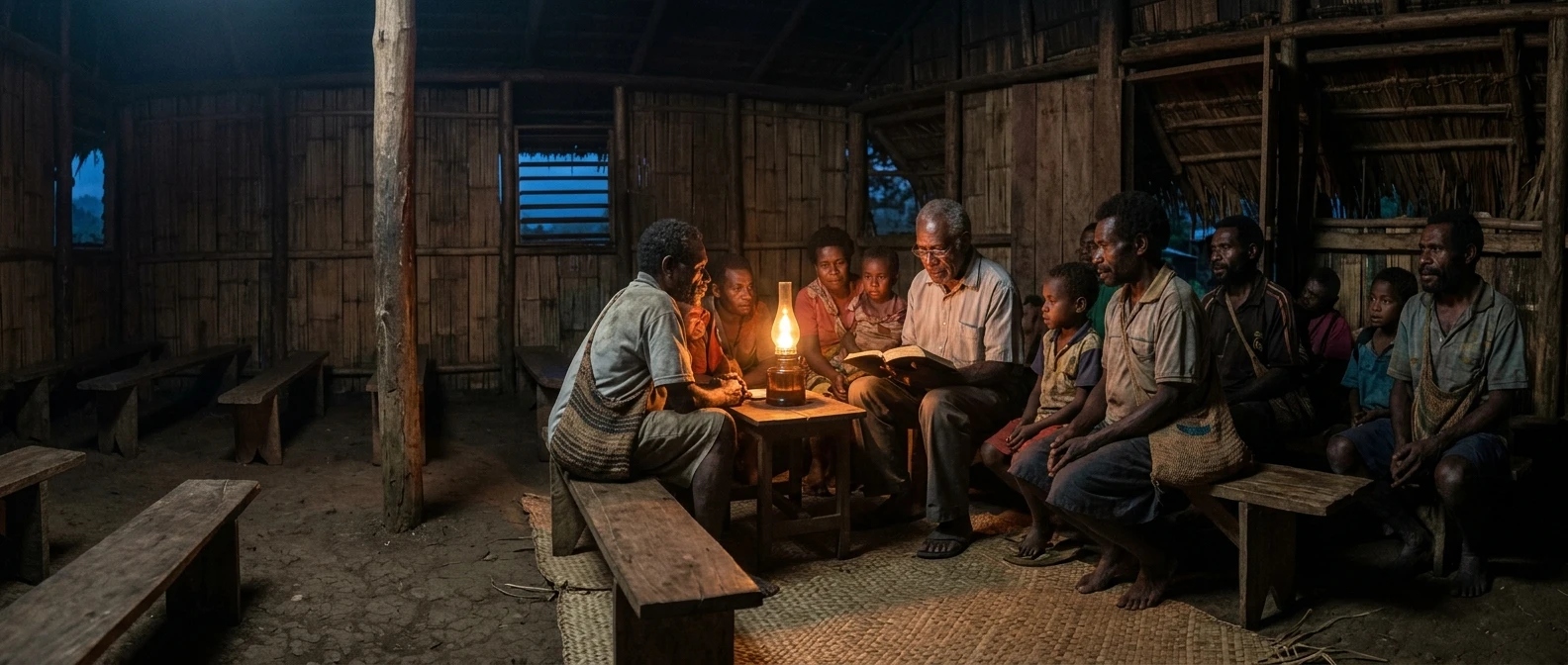
Pastors, evangelists, and Bible teachers across rural PNG highlands are already leading Bible studies, discipling young believers, holding prayer meetings, doing visitations after dark. Most of them are bi-vocational and many are unpaid, fitting ministry around subsistence farming and family life. Nobody needs to start this work. It is happening tonight, often by kerosene lamp, candlelight, torchlight or no light at all.
So when someone asks how to support rural pastors in Papua New Guinea, the honest answer is that you join something already in motion. Your part is to supply what the work lacks: light, training, practical tools, and people who remember the names of those serving. Jesus told his followers, “You are the light of the world” (Matthew 5:14), and these pastors have been living that out for a long time. What follows is a plain map of the ways to join, what each one involves, and what you will hear back from us.
If you want the thinking behind this approach first, we wrote about it in Walking Alongside a Pastor Is Different From Handing Him a Lamp. This article is the practical side.
Pray with names and places
General prayer for “the people of Papua New Guinea” is good, but it is hard to keep up for long. Prayer with a place and a purpose is easier to return to every week.
Here is what you can pray for right now:
- Pastors in Kerowagi who lead Bible studies and prayer meetings in the evening, that their eyes and strength hold out after a day in the garden.
- The congregations who gather by whatever light they can manage, and the elders who can no longer see well enough to read Scripture.
- The upcoming visit to Ambuna Primary School: the spiritual teaching for the students, the CPR , Stop Bleeding and first-aid training, and the eyesight clinic handing out reading glasses.
- Work on church building construction in Kerowagi.
- Safe travel and good health for the team and for the local leaders who will host them.
- The people who receive first-aid training, that they remember it and teach it to others.
Praying this way also tells you what to ask us. When you write to us, we can tell you how the Ambuna visit went, or how a particular community is doing, and your prayers can follow that.
Give in a way you can follow
Giving is the most common way people join. It also raises the most questions, because gifts sent overseas can feel hard to trace. We want you to know what your gift becomes before you give it.
There are three ways to give, and each ends in something concrete:
- Solar lamps. A gift to sponsor a solar lamp puts reliable, safe light into the hands of a pastor, evangelist, or church worker. That means longer evenings for Bible study, discipleship, and prayer, without kerosene smoke or candlelight.
- Outreach days. Short-term visits like the Ambuna Primary School afternoon are free to the people who receive them, so the cost of the certificates, first-aid kits, and reading glasses comes from partners.
- Ongoing support. A recurring gift lets us plan the second and third rounds of lamps and training instead of treating each one as a one-off. Churches often pool smaller gifts this way, so a group of members can fund something together that none of them could alone.
If you want to help the team be hosted well in the Kerowagi area, there is a specific page for that: Help Us Host the LIGHT PNG Team in Kerowagi.
Whatever you choose, you can ask us afterward what the gift paid for, and we will tell you plainly.
Go or send
Not everyone can travel, and not everyone should. Plenty of people support the work from home, and that is a full share in it. For those who can go, or who know someone who can, short-term outreach is where practical skills turn into real help.
The Ambuna Primary School visit shows how this works. In a single afternoon, all of it free to the school:
- spiritual teaching for the students,
- CPR, Stop Bleeding and first-aid training, with certificates and kits left behind,
- an eyesight clinic giving out reading glasses.
Each of those needs different people. A nurse, paramedic, or first-aid instructor can help with training. Someone with optical or eye-care experience can help at the clinic. A teacher or Bible teacher can help with the students. People good at logistics, driving, or organising a queue of children are useful too, and a day like this does not run without them.
The training has to outlast the team. A certificate and a first-aid kit stay in the community, and local people who learn the skills can keep teaching and practicing them after the visitors have gone home. We would rather you ask whether your skill can be taught than whether it can be performed.
If you cannot go, you can send: fund a seat on the team, supply materials, or cover transport. That belongs to the same work, and we count it that way.
Bring your church, network, or business into a standing partnership
A single gift or a single trip helps. A standing partnership helps more, because it lets both sides plan.
Churches and ministry networks. A church might take on a lamp project as a congregation, pray each month for a named community, or send a team to join an outreach. Smaller gifts pooled across a congregation add up to something that makes a real difference. A partner church also gets to know a community over time instead of meeting it once.
Businesses. Business owners can sponsor directly or give in kind. In-kind support often matters as much as money: transport, logistics, materials, printing, or help sourcing equipment sensibly so that more of each gift reaches its purpose. Some partnerships run longer, with a business taking on a recurring piece of the work.
Overseas mission partners. Individuals, church groups, and mission organisations abroad sometimes give regularly, and sometimes join outreach directly. Either is welcome.
If you are weighing a partnership, tell us what your church or company can actually offer, including its limits. A smaller commitment that is kept is worth more to a pastor than a large one that fades.
Where local leaders carry the decisions, and what you can expect to hear back
Partners in the US and elsewhere do not decide who receives help. Local church and community leaders carry those decisions, because they know which villages have pastors working in the dark, which roads are passable, and who is already serving. Our page on how we choose which villages receive solar lights first explains the approach in more detail.
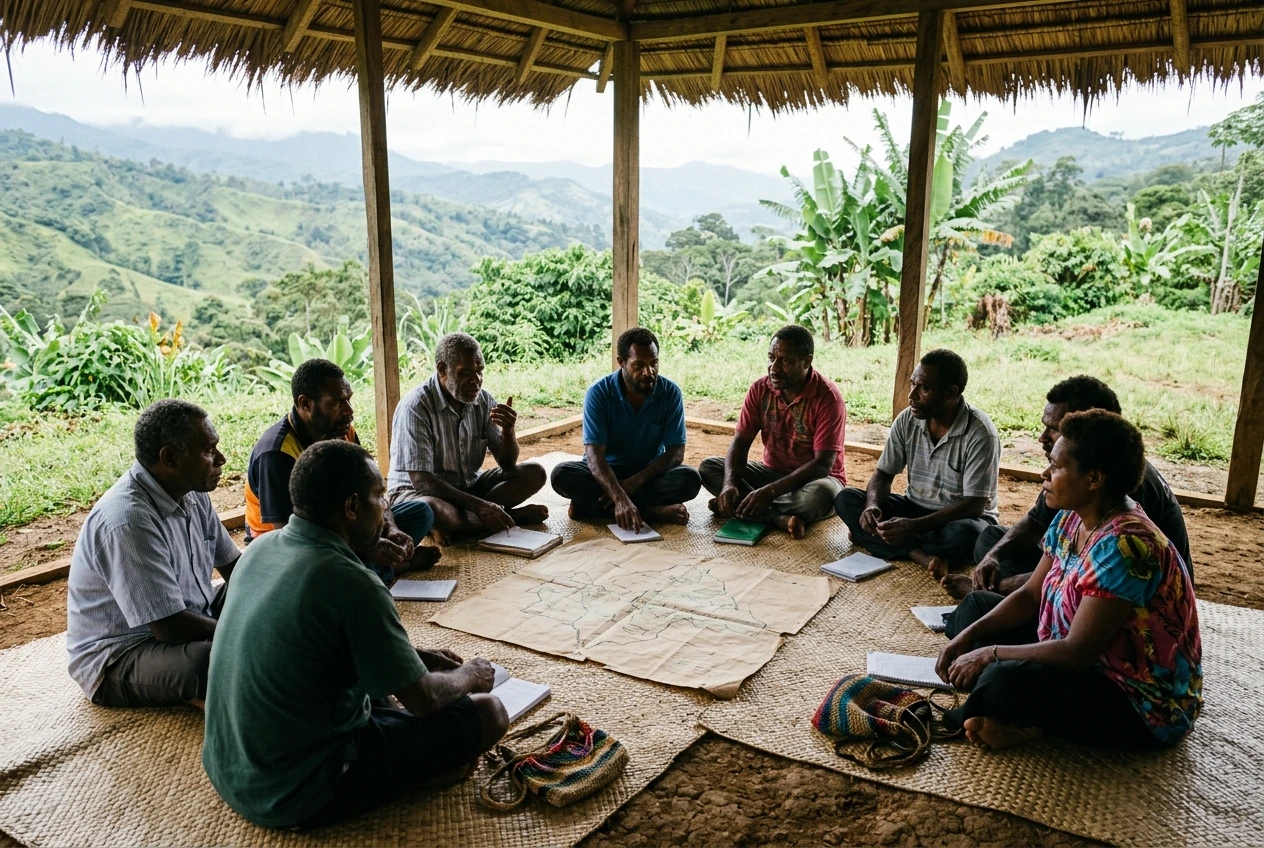
Training and follow-up work the same way. Our training and support page describes how lamps are handed over and how recipients are supported afterward. The aim is for local people to hold the knowledge, so the work depends less on any single person, including us.
This section is also for pastors and community leaders in Papua New Guinea who read this and wonder if there is a place for them. If you lead a church, a school, or a community and want to share in the mission, there is. You are not on the receiving end of a program. You are a partner, and local leaders shape where the work goes next.
Here is what you can expect to hear back from us:
- A personal reply. When you write through the Get Involve page, a real person responds to you.
- Testimonies and simple reports. Recipients send back their own words and basic reports on how the work is going, and we pass these on to partners as they come in.
- Straight answers. If something did not go as planned, such as a delay or a lamp that did not work out, we will tell you. Partners are owed an honest account, including the parts that are not impressive.
We do not promise a fixed schedule of updates, and we do not exaggerate what has been done. What we can promise is that you will not be left wondering where your gift or your prayer went.
If one of these ways of joining stirs something in you, tell us about it on our Get Involve page and we will write back personally. If you have questions first, our FAQs are a good place to start.