
Most mission reporting is built to impress. The photo is well lit, the numbers go up, and every update ends on a high note. Supporters who only receive that kind of report learn about the wins and nothing else, and they have no way to tell how the work is going. This piece is about how mission organizations report impact honestly to donors, and about why LIGHT PNG would rather receive a plain, unfinished account from a pastor in Simbu or Jiwaka than a finished one.
Why a short message from a pastor can tell you more than a report
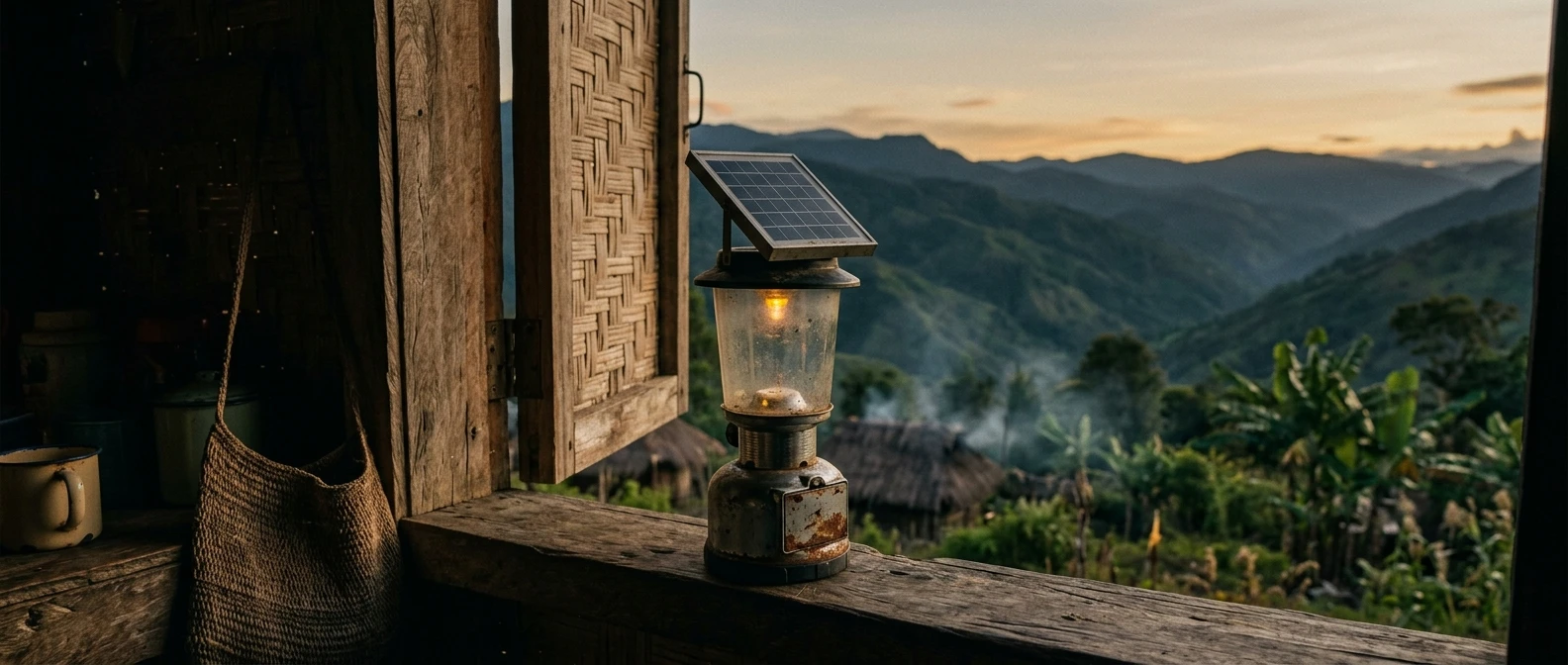
A pastor who serves in a village without electricity is usually also a farmer and a father. He sends word back when he has a spare moment, and what he sends is short. It might be a few lines about how the lamp is working, who gathered, and what the week was like. It might be a photo that is a little blurred, taken in poor light by someone who was more interested in the meeting than the picture.
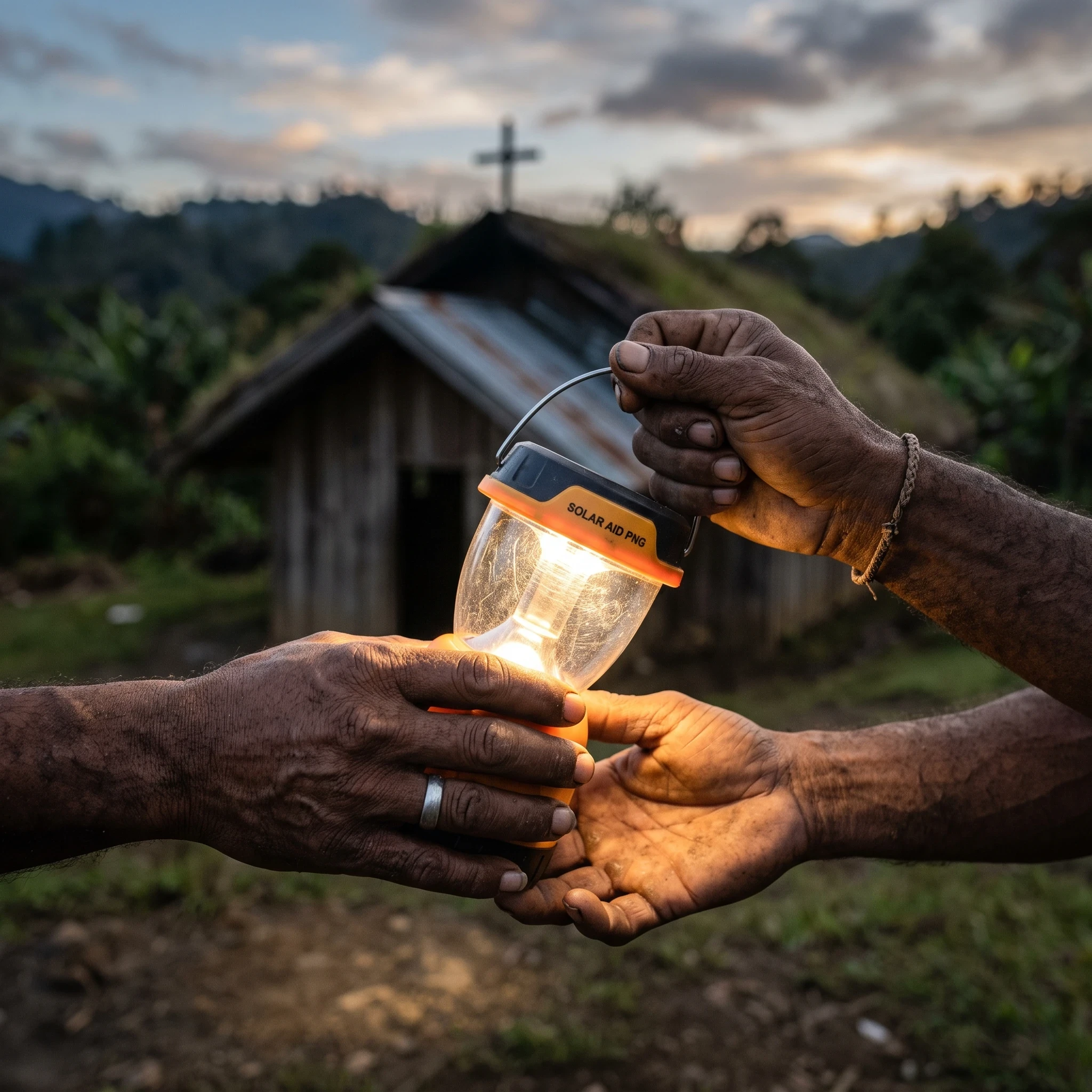
That kind of message is worth more to a supporter than a polished summary, because it comes from the person doing the work and has not been shaped for an audience. It says what happened. When a pastor writes that the prayer meeting ran later than usual because there was light to read by, that is a real result. When he writes that something did not go as hoped, that is real too, and we need to hear it.
LIGHT PNG began as a solar lamp project for pastors, evangelists, and church workers in rural Simbu and Jiwaka. The accountability system we are building around it rests on one belief: the people closest to the work are the best source of truth about it.
What a polished report leaves out
A report written to impress is edited before it reaches you. The editing is rarely dishonest. It is selective, and the selection leaves out most of what a supporter would want to know.
- Things that did not work. A lamp that stopped charging, a delivery that arrived late, or a session that fewer people attended than expected.
- Ordinary weeks. Most of ministry is steady and unremarkable, and a report that only shows highlights makes the work look like a series of events instead of a daily life.
- The pastor’s own words. Polished reports tend to speak about the people served. A short message from the field speaks from inside the work.
- What the organization does not yet know. Some results take months to show. A report that always sounds certain has stopped being a report.
A supporter reading only the highlights cannot judge whether their giving is doing what they hoped. The impact reporting that earns trust includes the unremarkable and the disappointing, because those are the parts that let a donor believe the good news.
The Bible is direct about this. Paul writes in Ephesians 4:25, “let each one of you speak the truth with his neighbor, for we are members one of another.” Donors and field workers belong to the same body, and members of a body need accurate information from each other.
How word travels from a village back to a supporter
The path is meant to be short. A pastor who carries a lamp tells us what he has seen. We pass that on to the people who made the lamp possible, in his words as far as we can, with as little rewriting as we can manage.
Two things keep that path honest.
First, the pastor is never asked to perform. A message that comes back in plain language is accepted as it is. We do not ask for a better photo or a more encouraging summary.
Second, we do not wait for good news before we share. If supporters only heard from us when something impressive happened, the silence between updates would tell its own story. LIGHT PNG’s goal is a reporting loop that closes as a regular practice: word comes in, word goes out, and the rhythm does not depend on how the week went.
Our partnership structure connects supporters in the US and overseas with local churches and leaders in Papua New Guinea, so the people who give and the people who receive are linked to each other and not just to us. The more directly a supporter can hear from the field, the less they have to take on trust.
What we ask a pastor to tell us, and what we never ask him to dress up
We ask for a small number of simple things:
- Whether the lamp is working and how it is being used.
- Who is gathering, and what the evenings have looked like.
- What has been difficult.
- What he needs, if anything, to keep serving.
That is all. We do not ask for statistics he would have to invent, or for a testimony that sounds a certain way.
What we never ask him to dress up is just as important. He should not make a hard week sound easy, and he should not describe a result he has not seen. He should not thank us more warmly than he feels, either. Many of these men serve without pay, alongside subsistence farming and family life, and they already carry enough. A pastor who feels he has to impress a faraway organization has been given one more burden, and we would be adding to it.
There is also a matter of dignity. The pastors we work with are partners in ministry, not recipients waiting to be graded. A partner is trusted to say what is true. When a pastor knows that an honest account will be received with gratitude and not disappointment, he can send one, and the whole loop depends on that.
When the news is not good
A lamp can fail. A battery can stop holding a charge, a panel can be damaged, or a lamp may not get enough sun in the place where it is kept. A training can miss its mark, too, if the people who came needed something different from what was taught. And some nights nothing changes, because the village gathered as it always does and the evening went as evenings go.
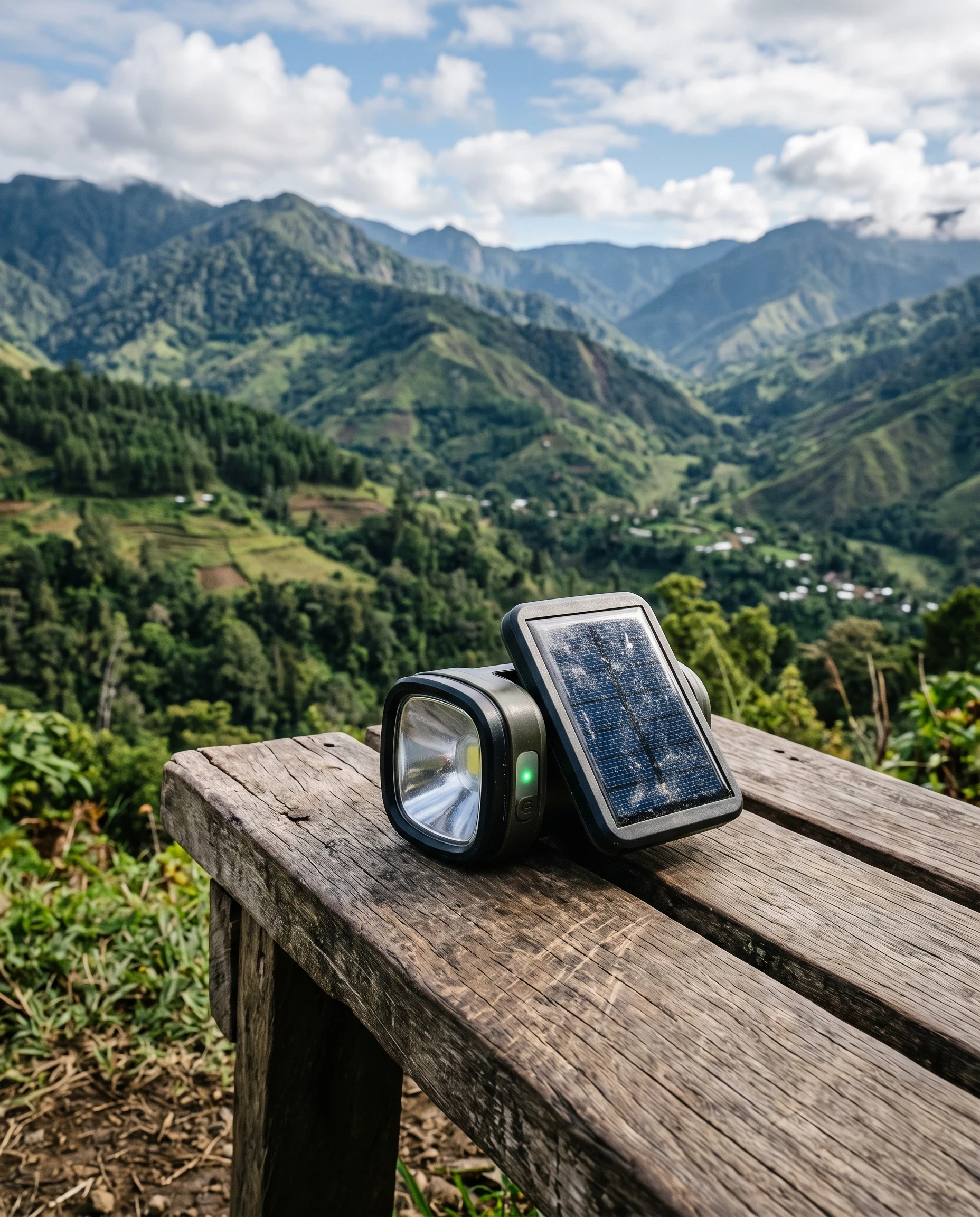
When that kind of news comes back, we want it to come back as it is. A failed lamp is useful information. It tells us what to check, whether the cause is the way the lamp was placed, how it was charged, or something in the lamp itself. Our guides on placing a solar panel for charging and maintaining a solar lantern battery exist because lamps in daily use run into ordinary problems that can be addressed once someone says so.
A report that hides the failure leaves the lamp dark and the supporter uninformed. A report that includes it lets us fix the lamp and lets the supporter see how the work is actually going.
We also say plainly when a result is unclear. If a pastor tells us nothing changed, we do not turn that into a success. We record it and try to understand it. Honest reporting sometimes means writing “we do not know yet,” and a donor who reads that sentence has good reason to believe the sentences around it.
How field feedback shapes what we do next
Information from the field is only worth collecting if it changes decisions. At LIGHT PNG, what comes back informs who receives support next, how training is run, and what practical help is offered alongside a lamp. Our page on how we choose which villages receive solar lights first describes the selection side of that, and our training and support page describes what follows a lamp into a village.
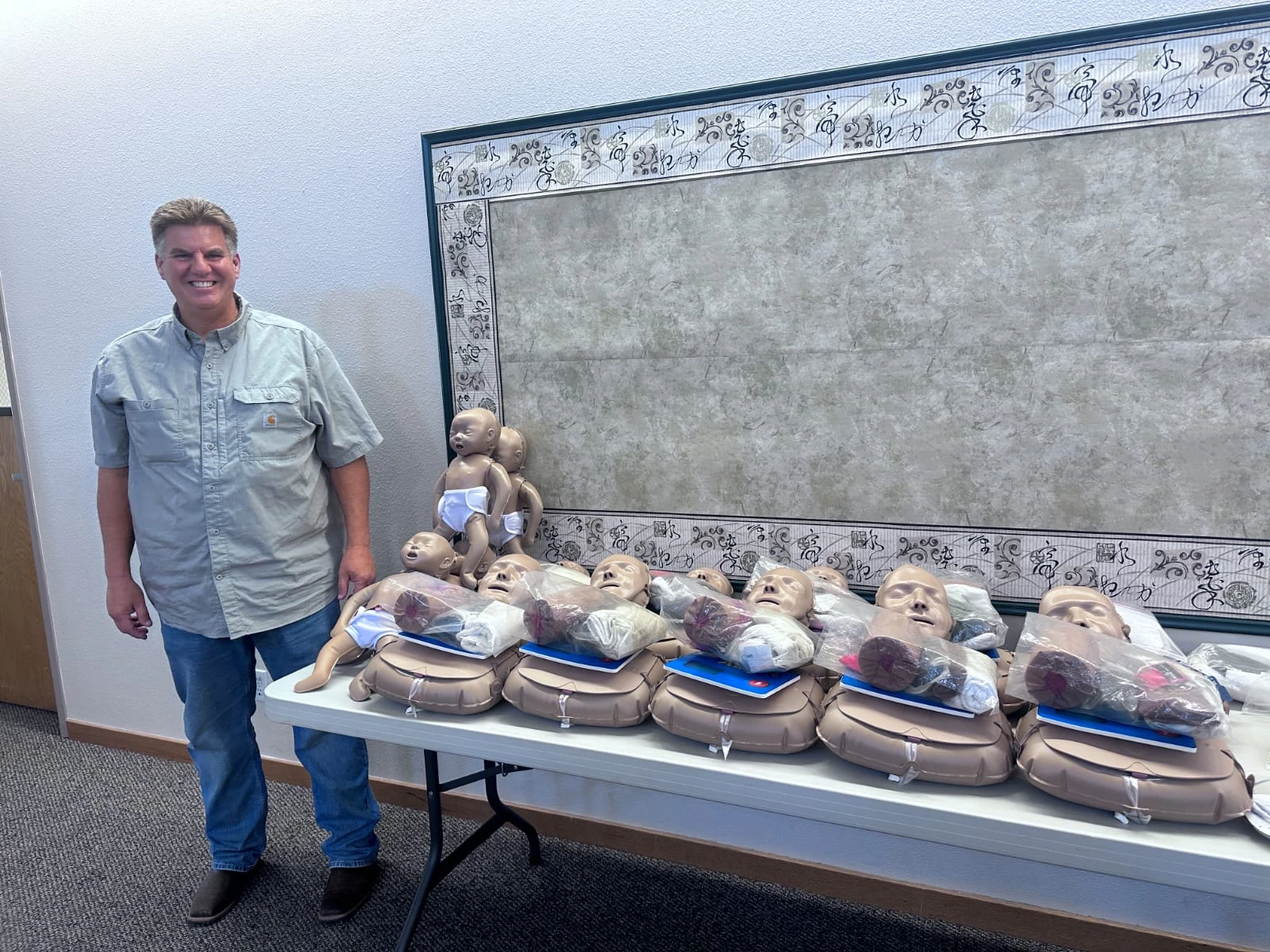
The hub has grown beyond lamps for a reason. People who serve without electricity also lack basic health training and simple resources like reading glasses, and elders who can no longer see clearly to read Scripture are part of the congregations our pastors serve. That is why the planned Ambuna Primary School visit brings several things together in one afternoon, all free:
- Spiritual teaching for the students.
- CPR, Stop Bleeding and first-aid training, with real certificates and kits.
- An eyesight clinic that hands out reading glasses.
The visit has not yet taken place, so we will not describe results we do not have. What we can say is how we will report it. Whatever comes back from Ambuna, whether it is a well-attended training or a part of the afternoon that did not work as planned, will reach supporters in the same plain terms as everything else. A training should also leave a skill behind, so we want to know whether the people trained at Ambuna can keep using and teaching what they learned. That is a question only honest follow-up can answer.
What honest reporting asks of partners and supporters
A reporting loop has two ends, and the supporter’s end carries some responsibility too.
Expect plain accounts. Updates from the field will sometimes be short, imperfect, and unpolished. A blurred photo or a few lines of text is what an honest message from a rural village looks like. Judge the work by what it shows, not by production quality.
Treat a hard report as part of the partnership. When we tell you something did not work, we are trusting you with real information. The most helpful response is to keep standing with the work, and the least helpful would teach us to stop telling you.
Give without needing a headline. Much of what these pastors do is quiet and ongoing. A steady gift supports steady ministry, even in weeks with nothing dramatic to report. If you want to understand how you can help over the long term, our article on how to support rural pastors in Papua New Guinea is a good place to begin.
In return, here is what you can expect from us:
- Updates that include difficulties as well as encouragements.
- The pastor’s own words wherever possible.
- A clear statement when we do not yet know the result.
- Decisions about what we do next that visibly respond to what the field tells us.
We hold to this because the work is built on Matthew 5:14, “You are the light of the world.” Light is useful because it shows things as they are. A mission that wants to be a light in a dark place has no reason to be afraid of being seen clearly.
If you would like to follow the work as it really unfolds, sponsor a solar lamp and receive the honest field updates that come back from the pastor who carries it.