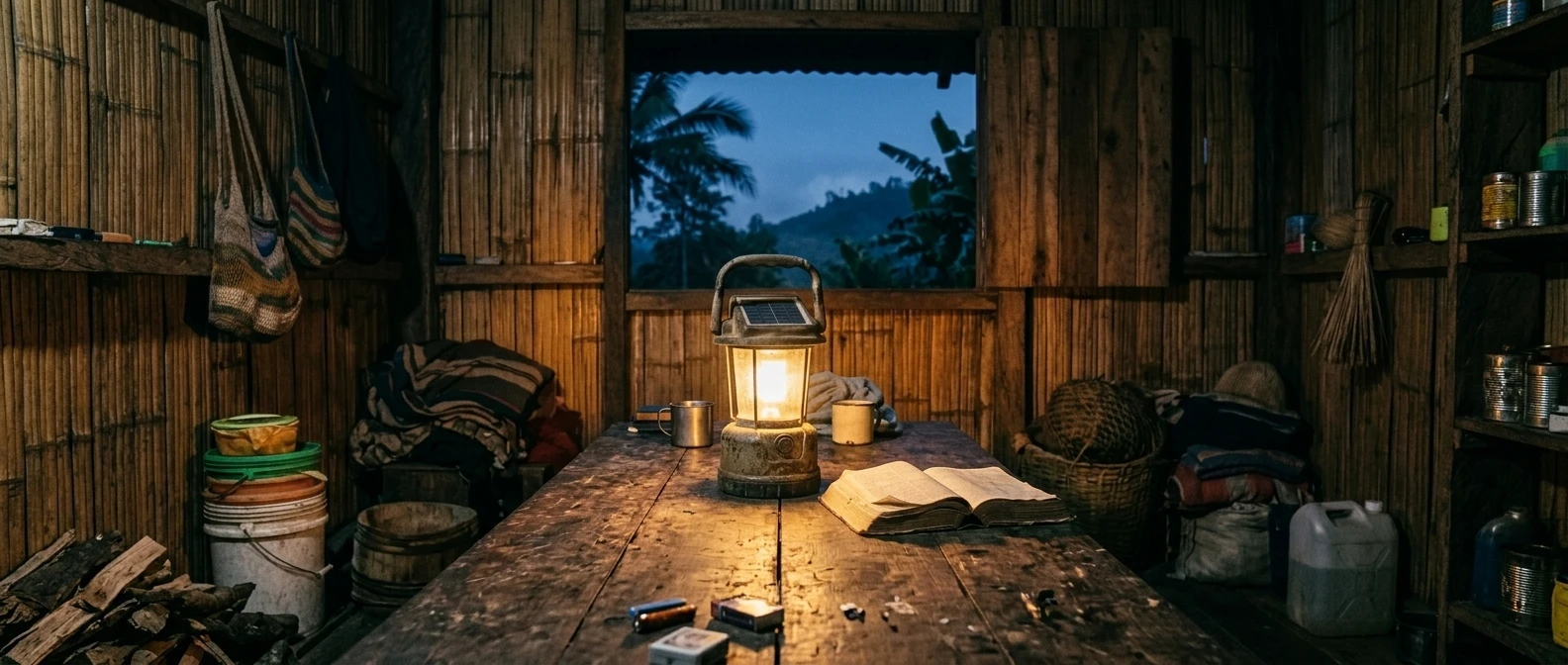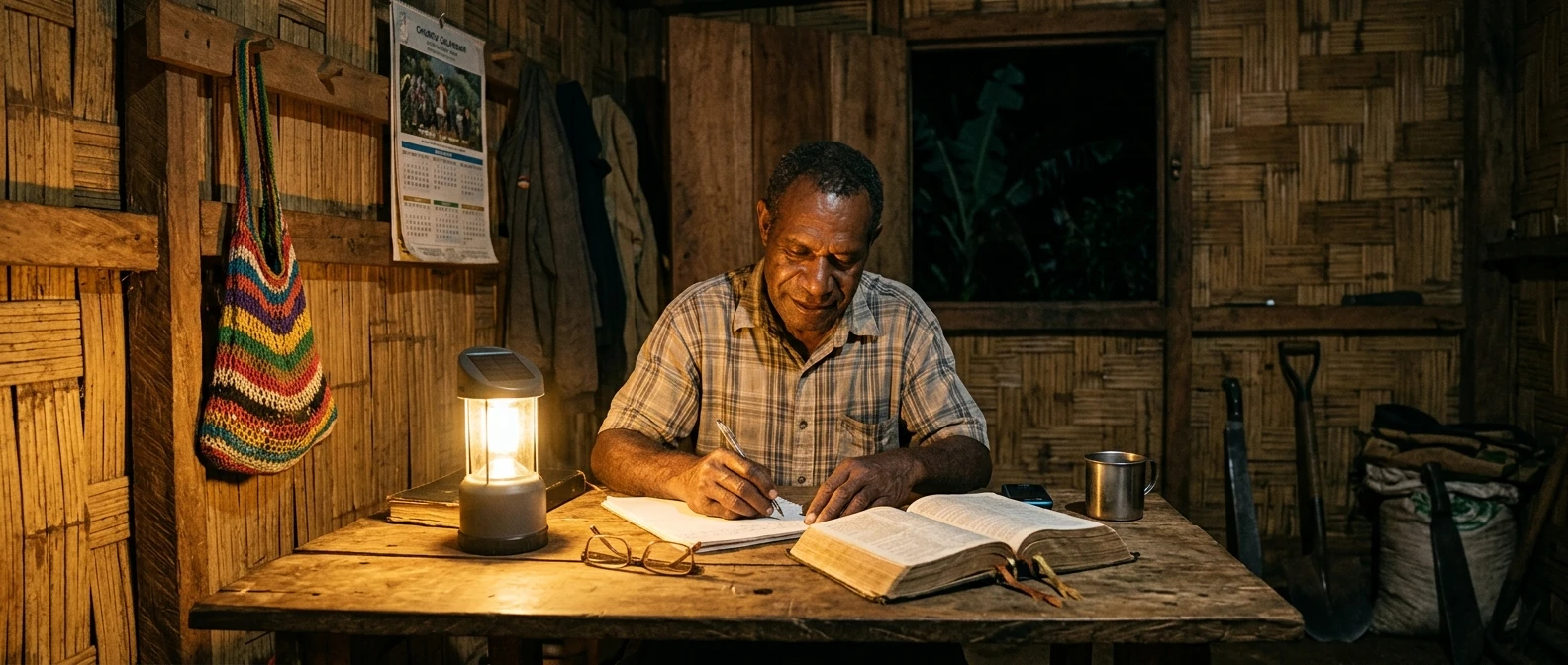

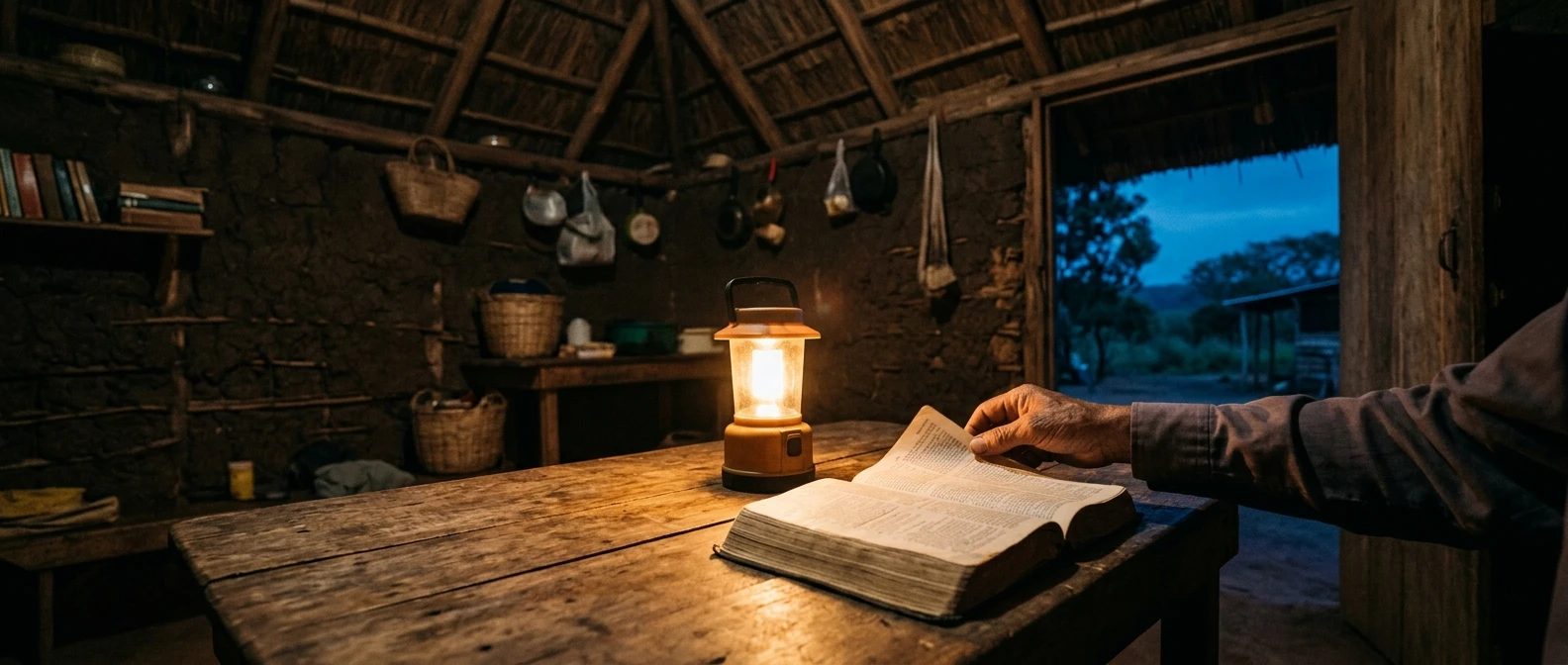
A solar lantern looks small, but the difference it makes after dark is not small at all. For a pastor finishing sermon notes, a mother helping a child with homework, or a church elder trying to read Scripture by something other than a smoking kerosene wick, reliable light changes what an evening actually looks like. That is really what we mean when we talk about how solar lanterns improve quality of life in off-grid communities: not a slogan, but a string of ordinary hours that get easier to live through.
Why this topic matters
In much of rural Simbu and Jiwaka, the sun sets and the useful part of the day ends with it, unless there is a way to keep the light going. Cooking a meal, finding a dropped tool, walking safely between houses, these are not dramatic needs, but they are constant ones. A dependable lantern does not transform a village overnight. It simply gives people back the hours that darkness used to take from them.
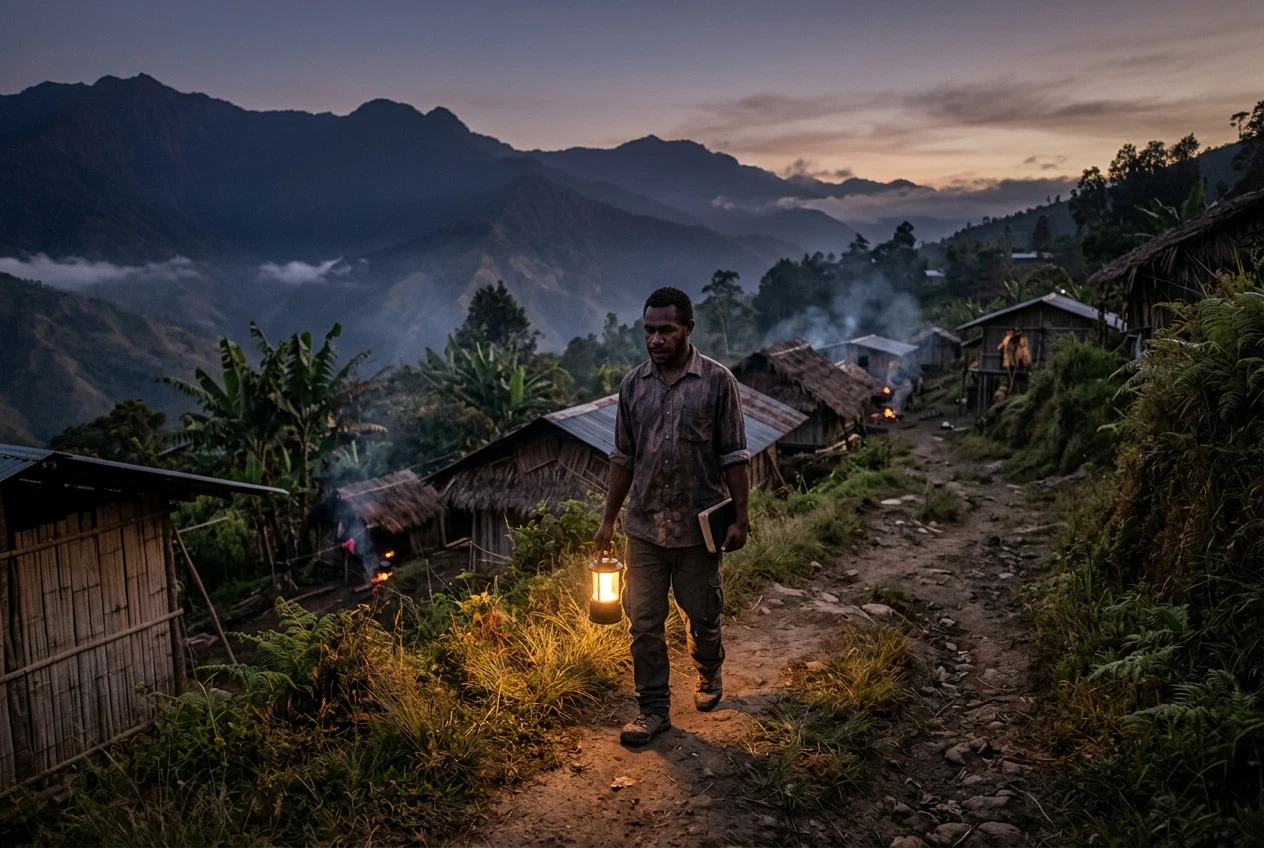
That matters most for the people who are already doing the hardest work after sunset: pastors preparing to teach, evangelists walking to a neighboring hamlet for a prayer meeting, church workers who are bi-vocational and only have the evening hours free. Light does not make them more faithful or more capable. They already are. It just lets them keep doing what they were called to do for a few more hours each day, and do it without squinting through smoke or running out of kerosene halfway through.
Start with the real need
For many households, a rechargeable solar lantern reduces how much they depend on kerosene, candles, or battery torches for everyday light. How much that actually saves a family depends on a few concrete things: how often the lantern gets used, how long it lasts before the battery wears down, and what that household was spending on fuel-based lighting before.
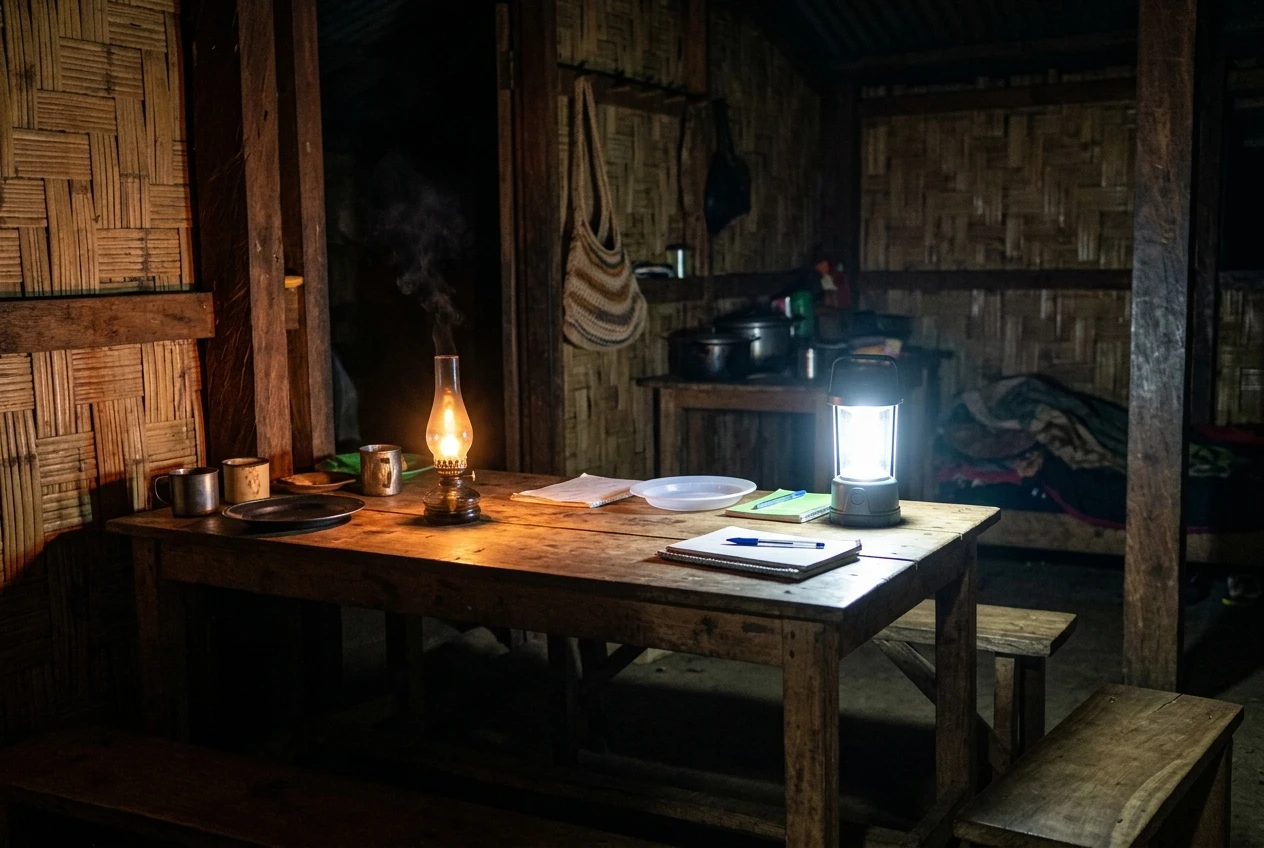
Those numbers vary household to household, and that is worth saying plainly rather than rounding up into a bigger claim. A family that previously bought kerosene twice a week will feel the change differently than one that was already going without light most nights. The honest starting point is understanding what a household’s lighting situation looked like before a lantern arrived, because that is the baseline everything else gets measured against.
For a closer look at what that shift looks like for one specific group, our piece on solar lights for pastors in rural Papua New Guinea walks through how a single lamp changes a working week for someone leading a congregation after dark.
Choose a practical approach
Light does more than extend a task list. It supports the social rhythm of a community too. A church leader reviewing notes before a meeting, a parent sitting with a child over homework, a group of volunteers sorting supplies after the sun goes down, all of these are small scenes that depend on having enough light to see by.
Each of those uses sits in its own context, and that context is worth paying attention to rather than assuming one lantern design or distribution plan fits every household the same way. A pastor who studies late into the evening has different lighting needs than a family mainly using the lantern for an hour of cooking and settling children to sleep. Thinking through the real use case before handing over a lamp is part of what makes a solar lantern program useful rather than just well-intentioned.
Plan for safety and upkeep
Not every lantern on the market holds up to rural life, and that is worth saying directly rather than assuming all solar lights perform the same. Low brightness, short runtime, slow recharging, or a battery that degrades within a year all limit how useful a lamp actually turns out to be once the novelty wears off.
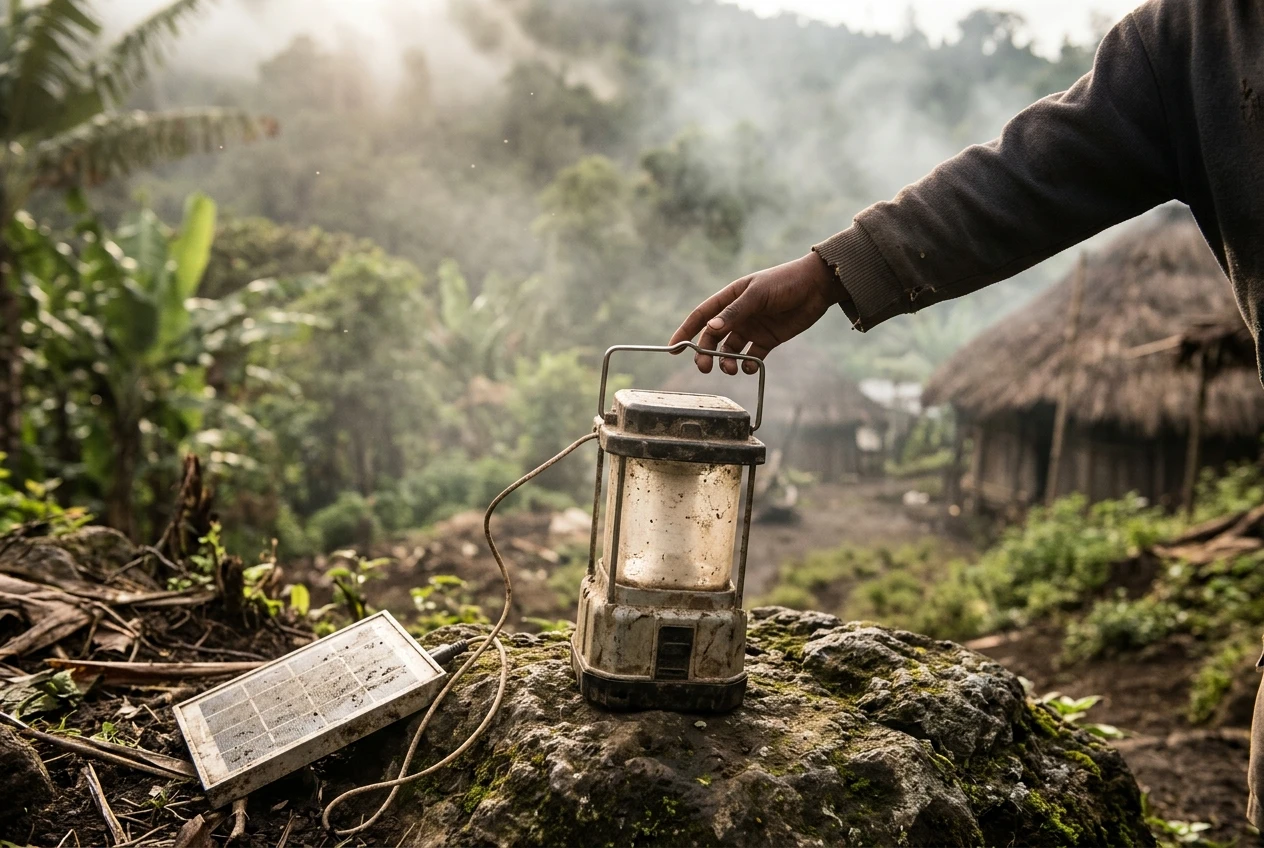
A program that wants its lanterns to keep working months and years later needs to choose equipment built for the conditions it will actually face, dust, humidity, long walks to charging points, children handling the lamp. It also needs a realistic, low-friction way for recipients to report a fault rather than quietly going back to kerosene once something breaks. Our guide on how to maintain a solar lantern battery covers the everyday habits that keep a battery performing well past its first year, and our piece on the best solar lanterns for rural households looks at what actually holds up under daily rural use versus what looks good on a shelf.
Make the results count
The honest way to measure whether a lantern improved someone’s quality of life is to ask a few specific questions before the lamp arrives and again after. What light source was the household using before? How many evenings a week is the new lantern actually in use? What task or routine became noticeably easier?
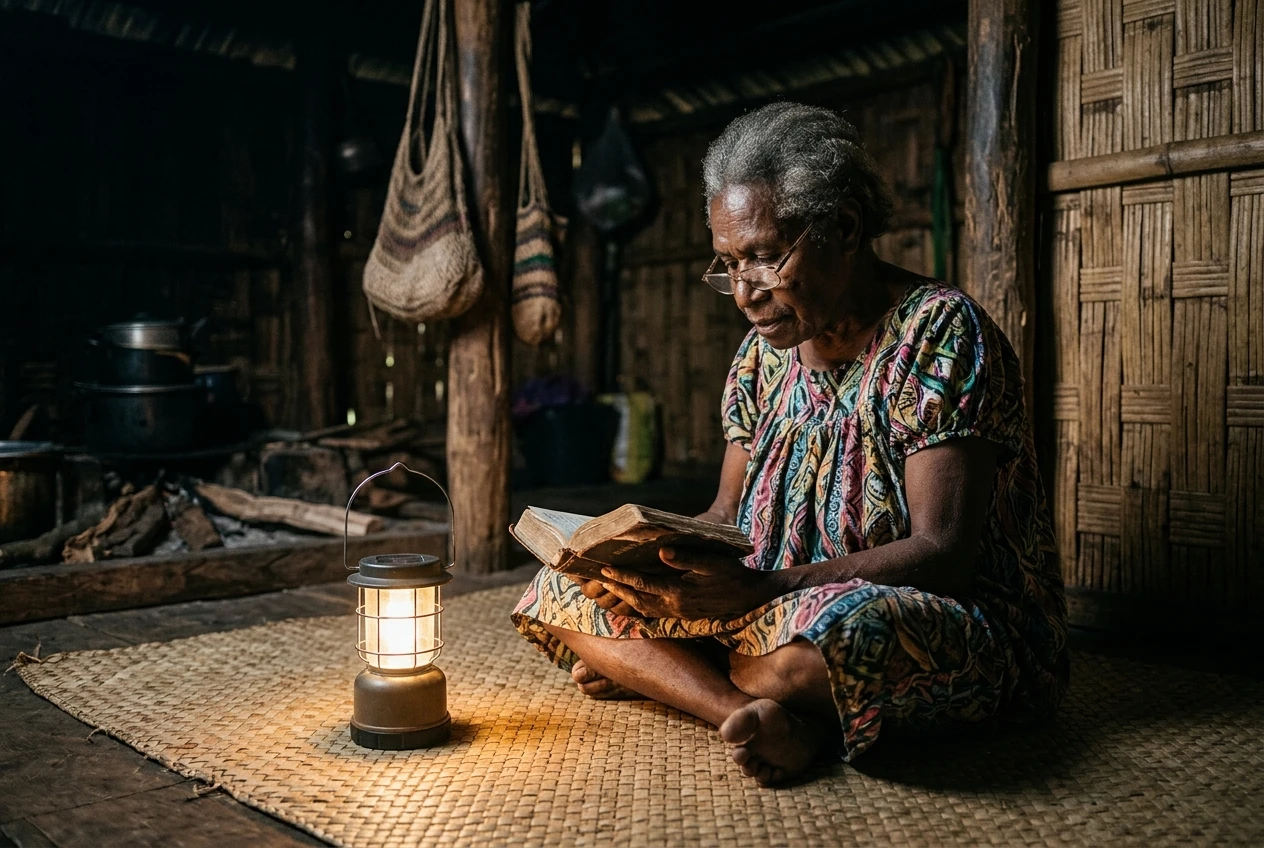
Those answers will not sound dramatic, and that is fine. A grandmother who can now read her Bible clearly in the evening, a student who finishes homework before bed instead of after dark with no light at all, a pastor who no longer runs out of kerosene mid-sermon-prep, these are small, verifiable outcomes. Collecting a handful of them honestly is worth far more than a broad claim about transforming a community, because the small claims are the ones that hold up when someone checks.
How this connects with LIGHT PNG
This is the thinking behind how LIGHT PNG plans to track its own work going forward: gathering testimonies directly from recipients, keeping an honest estimate of how many people a given distribution actually reaches, and being upfront about the challenges that come back from the field rather than only sharing the stories that sound impressive.
That reporting loop matters because it is how trust gets built over time, not through a single good story but through a steady, honest record. You can read more about how that distribution model works on our LIGHT PNG Solar Lantern Distribution page, which lays out how lamps reach pastors and church workers in Simbu and Jiwaka and what gets tracked along the way.
Frequently Asked Questions
Is solar lighting suitable for places without grid electricity?
Yes. A solar lantern stores energy it collects during daylight hours and uses that stored charge to power an efficient light after sunset. How long it runs each night depends on the specific lantern, the weather it was charged under, and how it is used.
Does LIGHT PNG sell solar lamps to recipients?
No. The first phase of this ministry provides lamps free of charge to eligible rural pastors and church workers who are recommended by local church leadership. The goal is to equip people who are already serving, not to create another cost for them to carry.
How can someone support the project?
Supporters can sponsor a lantern, contribute equipment in kind, help cover the cost of a field trip to reach a remote community, or simply pray for the people and places involved. The Get Involve page lists the current ways to take part.
Take the Next Step
A reliable light source lets a rural pastor, evangelist, or church worker keep preparing, gathering, and serving well after the sun goes down. If this is a mission you want to stand behind, visit the Get Involve page to see where your support fits. Light the Way for the Gospel.