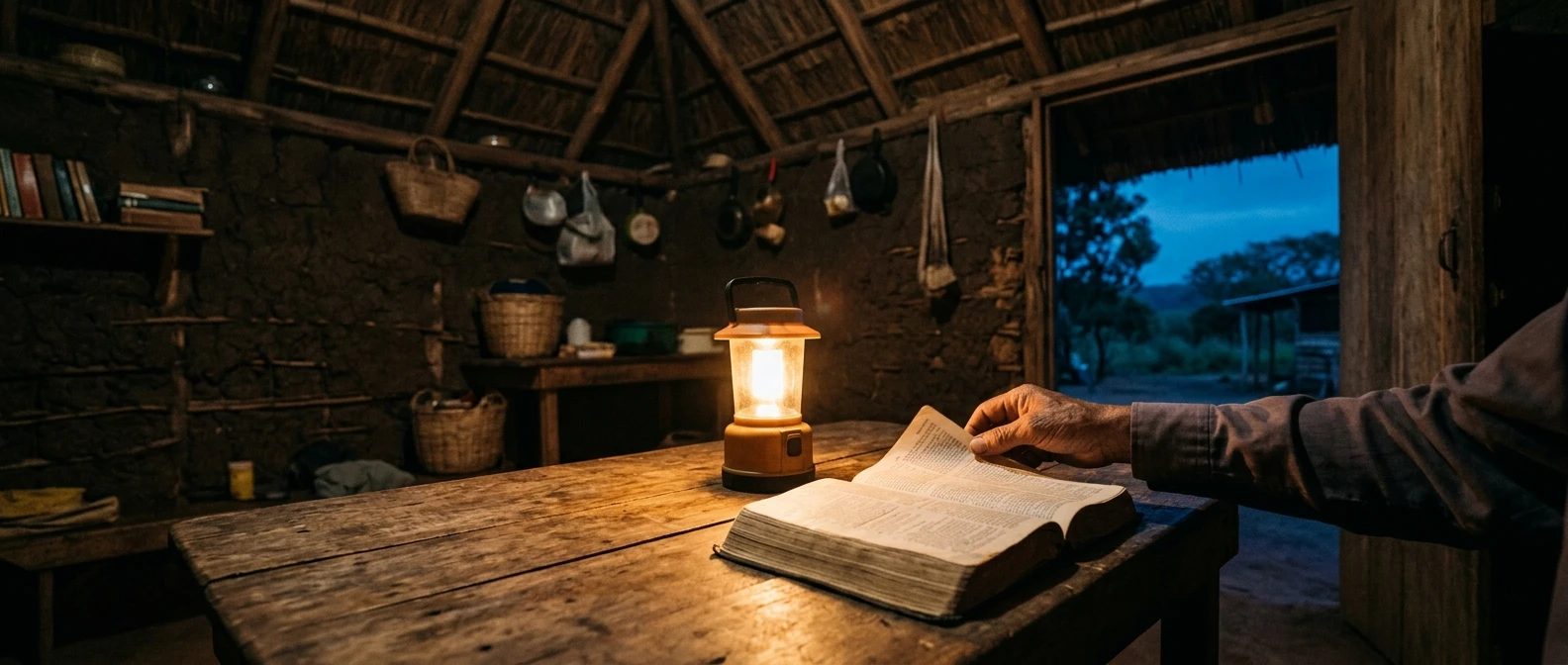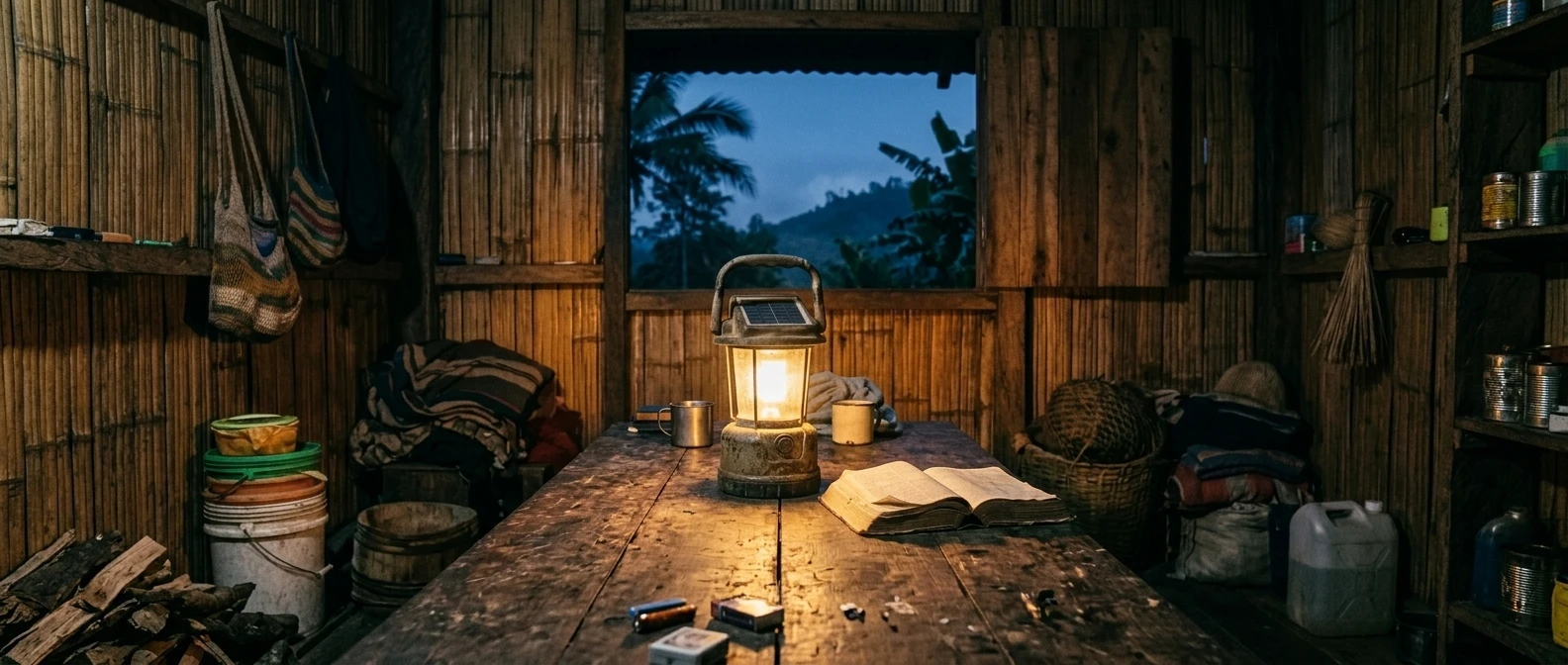

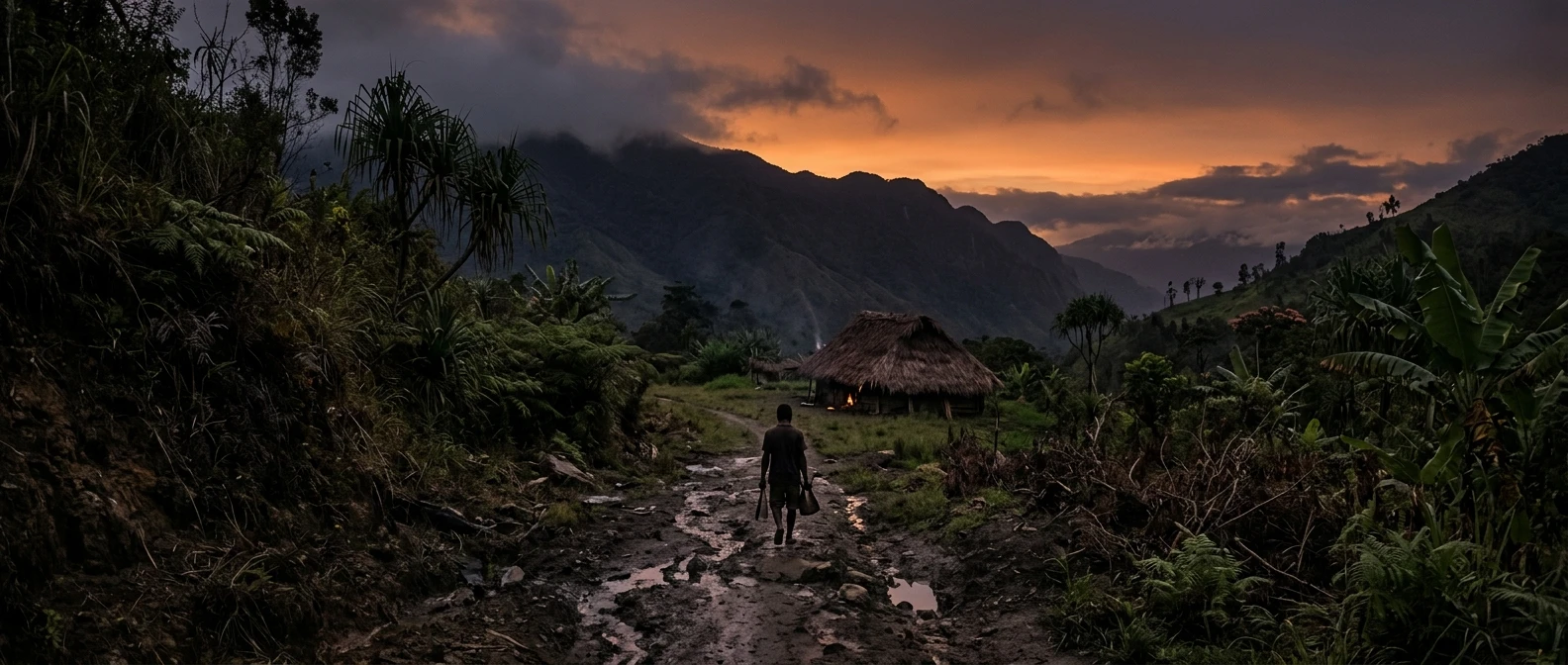
Life without electricity in rural Papua New Guinea. In the rural highlands of PNG, the sun does most of the scheduling. It sets fast, the way it does near the equator, with barely any dusk to soften the change. A pastor walking home from his garden or from a visit to a sick church member knows exactly how much daylight is left by how the ridge line looks, and he paces his steps accordingly. There is no streetlight waiting at the end of that walk. There is no porch light switching on. There is just the house, getting harder to see the closer he gets to it.
This is what life without electricity in rural Papua New Guinea actually looks like, hour by hour, for the men and women carrying the local church on their backs.
The walk home before the light goes
The path down from a garden can take forty minutes, longer if the mud has set in from an afternoon rain. A pastor carrying kaukau or greens for the evening meal is also carrying whatever he intends to say at the prayer meeting later, turning it over in his mind because there won’t be a lamp to sit under and write it down properly once he arrives. Every trip home is a race against a clock that has no mercy and no snooze button. Once the sun drops behind the ridge, it is dark within minutes, not hours.
What a prayer meeting looks like by firelight, or not at all
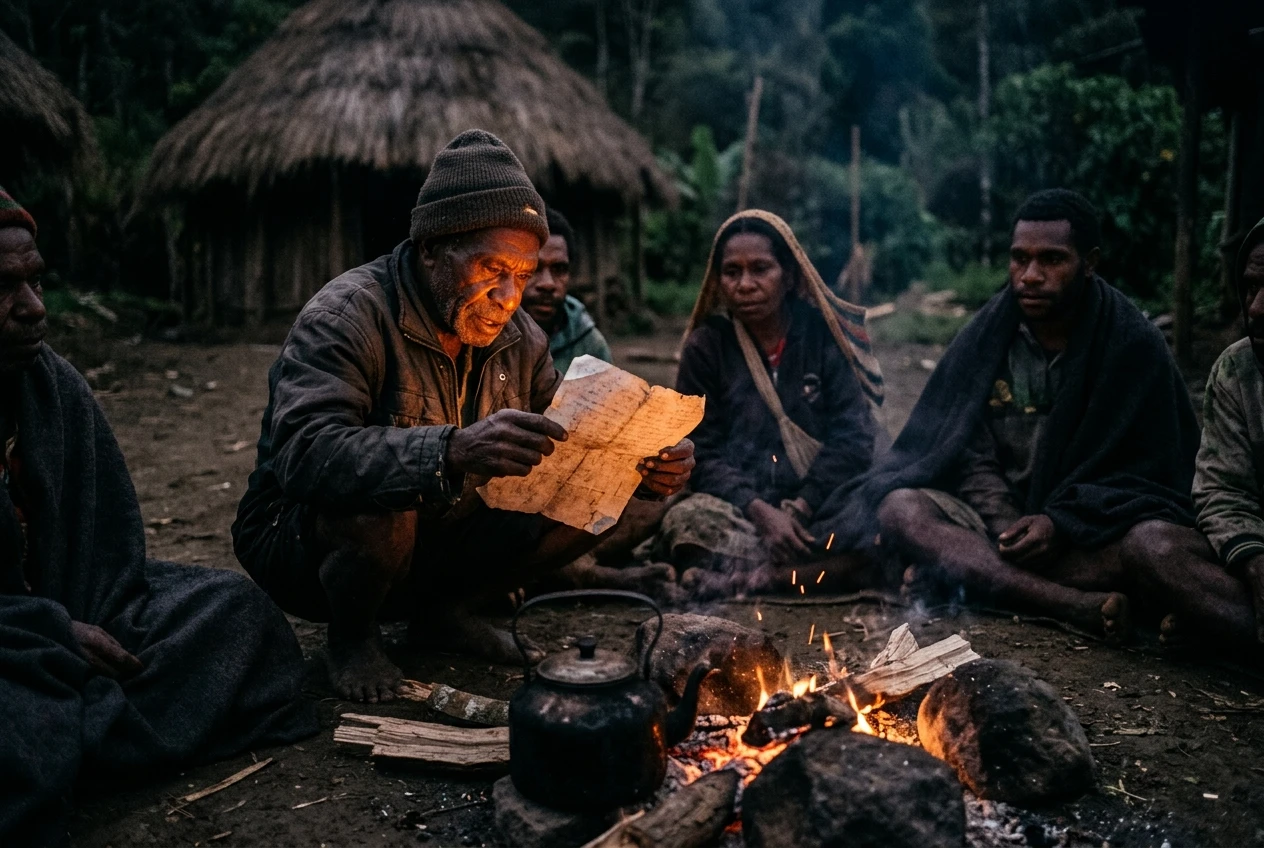
Some congregations gather around a cooking fire, close enough to see faces, far enough to avoid the smoke. Scripture gets read by whoever has eyes sharp enough to manage it in that light, often an older voice straining over a page held close. Other nights, if the firewood is wet or the fire is needed for cooking instead, the meeting happens anyway, in the dark, by memory and by voice alone. Hymns get sung without songbooks. Prayers get prayed without anyone seeing who is speaking. It still counts as church. It is just church without light.
Sermon preparation when you cannot read after six o’clock
For a pastor who works his land all day, the evening is the only real window for preparing to preach, and that window closes the moment the sky does. Reading a passage closely, following a cross reference, writing notes legibly: all of that needs light that simply is not there. Many pastors in these communities prepare in their heads instead, holding the shape of a sermon in memory from one Sunday to the next, rehearsing it on the walk to garden and back rather than at a desk with an open Bible.
Farming by day, shepherding by night: the bi-vocational rhythm nobody sees
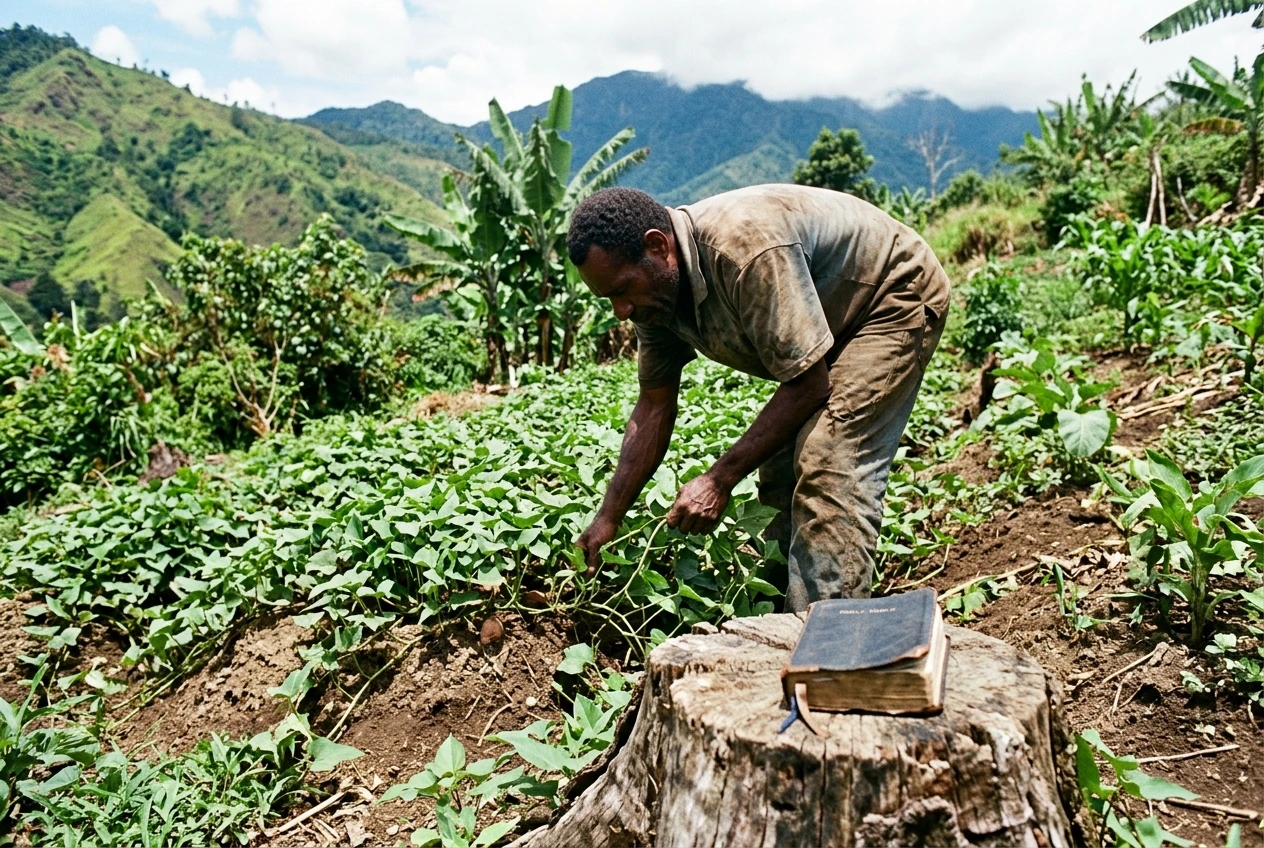
Almost none of these pastors are paid a wage for ministry. They grow their own food, sell what surplus they can, and tend to their families the same as anyone else in the village. Ministry happens in whatever hours are left after the garden work is done, which usually means the evening, which usually means the dark. It is not an occasional arrangement. It is the shape of every week, every season, for men who never stop being both farmer and shepherd at the same time.
A pastor’s own words about one ordinary evening
“By the time I reach home, my eyes are already used to the dark,” one pastor serving in this region has said. “I know where everything is in my house without looking. Even when there is a meeting, we just sit together and talk and pray. We don’t need to see each other to know God is with us.” Words like that carry no complaint in them. They carry something closer to patience, worn smooth by years of practice.
Why this has been normal for so long, and what is starting to change
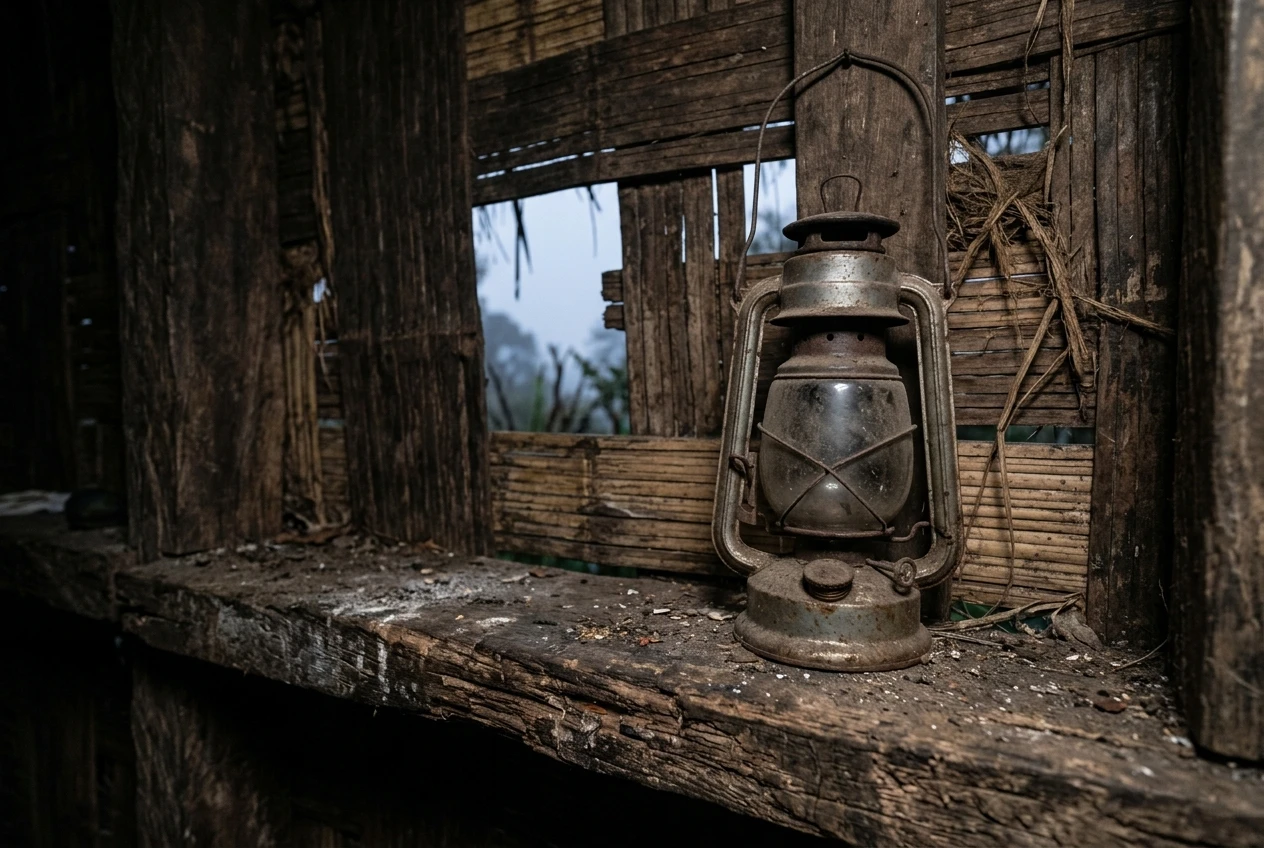
Electricity has never reached most of these villages, and the terrain makes a grid connection unlikely for a long time yet. For decades, a kerosene lamp was the only alternative, when there was money for kerosene at all, and when there wasn’t, there was simply the dark. That has been the normal shape of evening ministry here for as long as anyone can remember. It is only recently, through simple solar lights reaching pastors directly, that any of this has started to shift, and the difference in what a single evening can hold is worth seeing for yourself.
If you’d like to understand what changes when the evening finally has light in it, read A Solar Lamp Can Change a Pastor’s Entire Week in Rural PNG. And if you want to stand with pastors like these, visit Get Involved to see how.
Frequently Asked Questions
What is life like without electricity in rural Papua New Guinea?
Without electricity, daily life in the rural highlands of Papua New Guinea runs on sunlight. Once the sun sets, which happens quickly near the equator with very little dusk, there are no streetlights, no porch lights, and often no light at all inside the home. Evening activities — cooking, reading, meeting as a church — either happen by firelight, from memory, or not at all.
Why don’t most rural highland villages in Papua New Guinea have electricity?
The remote terrain of the PNG highlands makes grid electricity unlikely to reach most villages for a long time. For decades, the only alternative has been kerosene lamps, when money for kerosene was available — and simple darkness when it wasn’t.
How do rural PNG pastors prepare sermons without electricity?
Most pastors work their land during the day, leaving only the evening to prepare to preach — and that window closes the moment the sky does. Without light to read Scripture closely or write notes, many pastors prepare sermons entirely in their heads, holding the shape of a message in memory and rehearsing it during the walk to and from the garden.
What happens during a church prayer meeting without electricity?
Some congregations gather around a cooking fire, close enough to see faces but far enough to avoid the smoke, with whoever has the sharpest eyes reading Scripture aloud. On other nights, when firewood is needed for cooking instead, the meeting still happens — in the dark, by memory and by voice, with hymns sung without songbooks and prayers prayed without seeing who is speaking.
What does “bi-vocational” mean for a pastor in rural Papua New Guinea?
Almost none of these pastors receive a wage for ministry. They farm and provide for their families like everyone else in the village, and ministry happens in whatever hours are left — which usually means the evening, and usually means the dark. It isn’t an occasional arrangement; it’s the shape of every week, year-round.
How do rural PNG families light their homes at night without electricity?
Historically, the only option has been a kerosene lamp when one could be afforded, or simply going without light. Pastors returning home after dark rely on memory and familiarity with their own homes rather than any form of lighting.
Is anything changing for pastors living without electricity in rural PNG?
Yes. Simple solar lights are beginning to reach pastors directly, changing what a single evening can hold — from sermon preparation to prayer meetings to basic household tasks after sundown.
How does a solar light change a pastor’s evening in rural Papua New Guinea?
A solar light restores the evening hours that darkness normally takes away — time that can go toward preparing a sermon properly, reading Scripture closely, or simply gathering a congregation around something other than a cooking fire. Read more in A Solar Lamp Can Change a Pastor’s Entire Week in Rural PNG.
How can I help support pastors serving without electricity in rural Papua New Guinea?
Visit Get Involved to see practical ways to stand with pastors carrying out ministry in these conditions.
Who are the pastors affected by life without electricity in rural PNG?
They are bi-vocational church leaders — farmers by day and shepherds by night — serving congregations across the rural highlands, often without pay, without electricity, and without complaint.